Health
Cruise Passengers Face 42-Day Hantavirus Quarantine
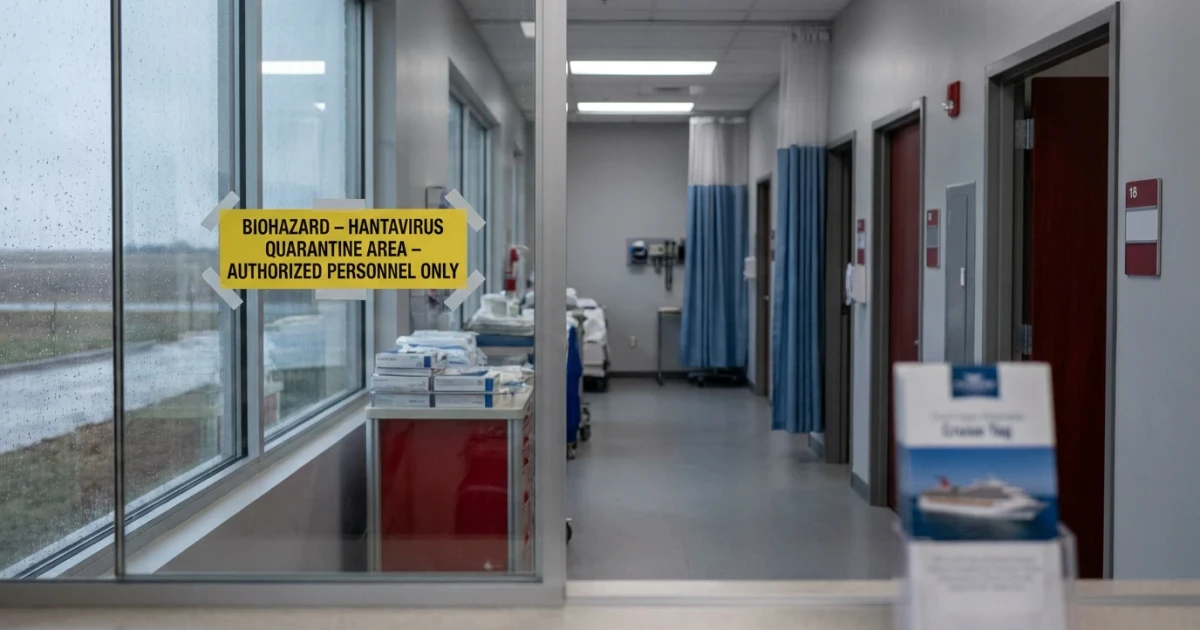
Hundreds of U.S. cruise passengers are now settling in for an extended 42-day quarantine in Nebraska after potential exposure to hantavirus, a rare but serious respiratory disease. As reported by NPR, the unprecedented isolation period is sparking questions about containment policies, the psychological toll of long quarantines, and how public health officials manage infectious disease risks in travel settings.
Why Hantavirus Quarantine Lasts 42 Days
The 42-day quarantine period stands out compared to protocols for other viruses. According to CDC clinical guidance, hantavirus has an incubation period ranging from 1 to 6 weeks, with symptoms often appearing between 21 and 42 days after exposure. This lengthy window is why health officials require extended isolation for those potentially exposed, especially in closed environments like cruise ships.
Hantavirus is not as common as other respiratory illnesses. The CDC’s official statistics show that the U.S. averages fewer than 40 cases annually, but outbreaks can be severe, with a mortality rate of up to 38% in confirmed cases.
Inside the Nebraska Isolation Facility
NPR describes the daily routine for the passengers, who are housed in a converted facility designed for infectious disease containment. Each person has their own room, meals are delivered to their doors, and contact with staff occurs through sealed barriers. There are regular health checks and strict protocols to prevent cross-contamination, following CDC quarantine regulations.
- Passengers are monitored for early symptoms, including fever, muscle aches, and shortness of breath.
- Staff wear full protective equipment during any interaction.
- No visitors are allowed, and communication is limited to phone calls or video chats.
According to CDC’s resources and publications, isolation facilities must meet strict standards for airflow, sanitation, and emergency response.
The Psychological and Social Impact
While the primary concern is preventing disease spread, NPR notes that the emotional strain is significant. Passengers report anxiety as they count down the days and worry about their health and families. Experts referenced by NPR and CDC publications emphasize the importance of mental health support, virtual check-ins, and clear communication during quarantine.
Lessons from Previous Outbreaks
Hantavirus outbreaks are rare, but past incidents offer guidance for current protocols. The World Health Organization’s fact sheet notes that most transmissions occur in rural areas, with cruise ship exposures being unusual. Rapid isolation, contact tracing, and extended monitoring are viewed as best practices to contain the virus.
Looking Ahead: Public Health and Travel
This cruise quarantine highlights ongoing challenges in balancing travel freedom with public health. As more Americans resume international trips, authorities are revisiting protocols for rare diseases. CDC officials say the Nebraska quarantine will be closely watched as a model for future responses—not only for hantavirus but other emerging pathogens.
For more on hantavirus case trends and containment measures, see the CDC’s surveillance statistics, peer-reviewed clinical management review, and official quarantine regulations.
As passengers endure their 42-day wait, their experience underscores the importance of preparedness, clear communication, and support systems for those caught in the crosshairs of infectious disease control.