Health
Cruise Ship Deaths Linked to Suspected Hantavirus Outbreak
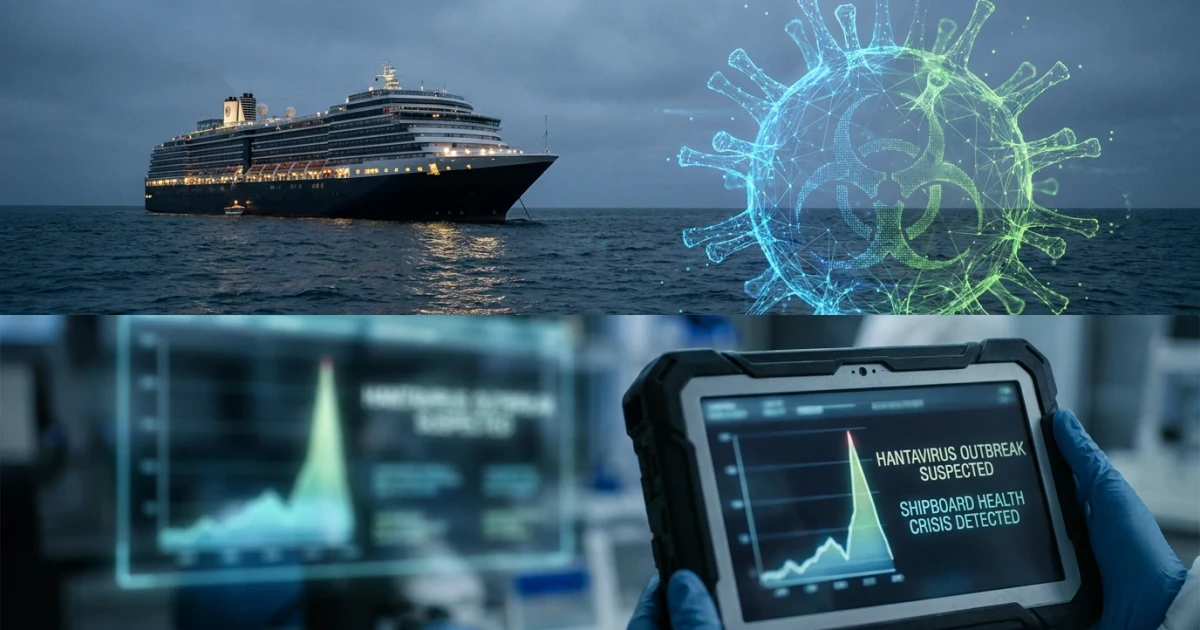
Three cruise ship passengers have died and others have fallen ill after a suspected outbreak of hantavirus, a rare but potentially deadly disease, according to reports from AP News. The incident has prompted concerns about how hantavirus spreads, its symptoms, and the risks associated with enclosed environments like cruise ships.
Understanding Hantavirus and Its Risks
Hantavirus is a family of viruses primarily carried by rodents, especially deer mice, and is known for causing Hantavirus Pulmonary Syndrome (HPS) in humans. The disease can be severe, with a fatality rate of up to 40% according to clinical data from the Centers for Disease Control and Prevention. Transmission usually occurs when people inhale airborne particles from rodent urine, droppings, or saliva, but cases in enclosed environments such as cruise ships are exceptionally rare.
- Symptoms: Early signs include fever, muscle aches, and fatigue, progressing to coughing and difficulty breathing as fluid builds up in the lungs.
- Incubation period: The illness can take one to eight weeks to develop after exposure.
- Fatality rate: HPS has a case fatality rate of 35-40% in North America.
Details of the Cruise Ship Outbreak
AP News reported that the outbreak led to three fatalities among passengers, with several more receiving medical care for respiratory symptoms. Investigators are working to determine how the virus was introduced onboard and whether it spread through direct contact or environmental contamination. Cruise ships typically undergo strict sanitation protocols, making the appearance of hantavirus unusual and concerning for public health officials.
How Hantavirus Could Appear on a Cruise Ship
While hantavirus is most often associated with rural settings, the possibility of rodents stowing away on ships or contaminated food supplies cannot be ruled out. The World Health Organization's hantavirus fact sheet notes that outbreaks have previously been linked to close contact with infected rodents or their excreta.
- Investigations are ongoing to identify potential rodent infestations or breaches in safety protocols.
- Passengers and crew are being monitored for symptoms, and affected areas have been isolated.
Global Hantavirus Trends
Hantavirus is rare but not unheard of in the United States. CDC surveillance data shows that cases average 20-40 per year nationwide, with most occurring in rural western states. Outbreaks in Europe and Asia are often linked to different rodent species but share similar transmission routes.
Prevention and Response
Health authorities recommend the following for individuals who may be exposed:
- Avoid contact with rodents and their droppings.
- Use protective equipment during cleaning in potentially contaminated areas.
- Seek immediate medical attention if symptoms develop following suspected exposure.
Cruise lines are expected to review their sanitation protocols and rodent control measures in light of this outbreak. Public health officials emphasize that while hantavirus is not easily transmitted from person to person, vigilance is necessary when cases appear in unexpected settings.
Looking Ahead
The cruise ship outbreak underscores the importance of robust health monitoring in enclosed environments. As investigators continue to trace the source of the infection, passengers and crew are urged to follow public health guidance. For more detailed information on clinical management and outbreak response, readers can refer to the CDC's official hantavirus resources and publications.
While hantavirus remains rare, this incident highlights the potential for infectious diseases to emerge in unexpected places, reinforcing the need for ongoing surveillance and rapid response capabilities.