Health
Cruise Ship Departs Cape Verde After Hantavirus Evacuation
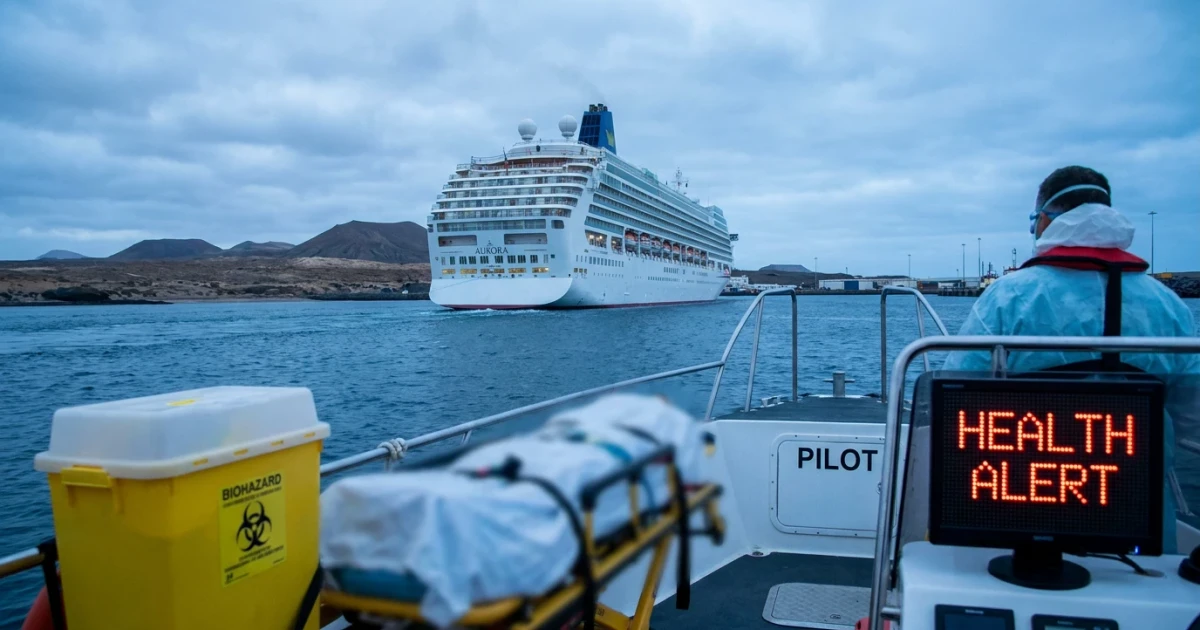
A cruise ship impacted by hantavirus infection has departed Cape Verde following the evacuation of three passengers for urgent medical care, according to BBC reports. The incident has focused international attention on cruise ship health protocols and the risks posed by rare but serious viral diseases during maritime travel.
Evacuation and Immediate Response
The cruise ship, whose name was not specified in BBC coverage, anchored in Cape Verde after several passengers displayed symptoms consistent with hantavirus infection. Three individuals were evacuated from the vessel for treatment; their conditions were not detailed by authorities at the time of reporting. Hantavirus infections are known to cause severe respiratory illness and can be life-threatening, particularly in cases of hantavirus pulmonary syndrome or hemorrhagic fever with renal syndrome.
- Three passengers evacuated for medical attention
- Cruise ship departed Cape Verde after initial response
- Onboard health protocols under scrutiny
Understanding Hantavirus
Hantavirus is primarily transmitted to humans from rodents, either through direct contact or inhalation of aerosolized virus particles from rodent droppings. The virus is not typically spread from person to person, but rare instances of secondary transmission have been documented. According to the CDC's hantavirus FAQ, symptoms can include fever, muscle aches, cough, and shortness of breath, often progressing rapidly to severe respiratory distress.
European health authorities, including the ECDC, have tracked sporadic cases across the continent, with Switzerland recently reporting a case that has prompted a race to trace contacts and contain the infection.
Health Risks and Cruise Ship Protocols
Maritime health authorities such as the EU SHIPSAN program highlight that cruise ships can pose unique risks for infectious disease outbreaks due to close quarters and international passenger traffic. Ships are required to follow strict protocols for disease identification, containment, and passenger evacuation in the event of suspected outbreaks. These include isolation of symptomatic individuals, enhanced sanitation, and coordination with port health officials.
After the evacuation, the cruise ship left Cape Verde, reportedly continuing its itinerary while monitoring remaining passengers for symptoms. The BBC report did not specify whether further cases were detected or what follow-up actions were taken by ship operators and health authorities.
Broader Implications and Surveillance Efforts
The recent incident underscores the importance of robust surveillance and rapid response capabilities for vector-borne diseases in the cruise industry. Global surveillance data compiled by the CDC and WHO show that while hantavirus outbreaks are rare, they can have serious consequences for affected individuals and communities.
- Symptoms can escalate quickly, requiring urgent medical intervention
- Transmission risk is higher in areas with rodent infestations
- Cases in Switzerland and maritime settings emphasize need for vigilance
Analysis and Outlook
The cruise ship's prompt evacuation of affected passengers and compliance with health protocols reflect the growing awareness of infectious disease risks in international travel. As authorities continue to track contacts and monitor for potential secondary cases, experts stress the importance of preventive measures, passenger education, and transparent reporting to contain outbreaks and safeguard public health.
In the context of increasing global mobility, incidents like this serve as reminders of the ongoing challenges faced by the cruise industry and health officials in maintaining safety and responding to rare but significant infectious threats.