Health
Cruise Ship Faces Hantavirus Outbreak as Oncologist Steps In
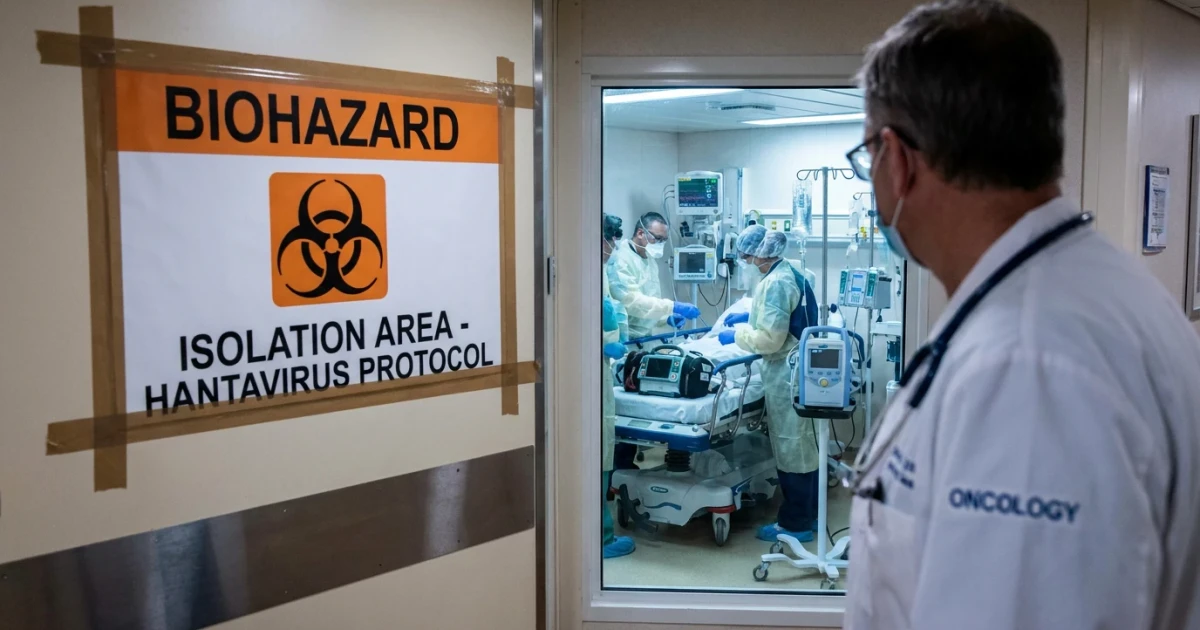
An American oncologist unexpectedly stepped into the role of chief medical responder during a hantavirus outbreak on a cruise ship, highlighting the complexities of managing a rare disease in a confined maritime setting.
Hantavirus Identified Aboard Cruise Ship
The recent voyage was disrupted when several passengers developed symptoms consistent with hantavirus infection, a rare but potentially fatal disease transmitted primarily by rodents. The outbreak was first reported by ABC News, which noted that the ship’s medical staff, overwhelmed by the sudden spike in severe respiratory cases, found an unlikely leader in a U.S.-trained cancer specialist traveling as a passenger.
The Disease and Its Risks
- Hantavirus can cause serious respiratory illness, including Hantavirus Pulmonary Syndrome (HPS), with a case fatality rate of up to 38% according to the World Health Organization.
- Symptoms typically begin with fever, muscle aches, and fatigue, followed by cough and shortness of breath as the disease progresses.
- Most U.S. cases are reported in rural regions, with only a handful of outbreaks ever documented on ships or in urban settings, according to CDC surveillance data.
Oncologist Leads Emergency Response
With the ship’s medical resources stretched thin, the American oncologist, whose identity remains undisclosed, coordinated with crew and port authorities to implement quarantine and infection control measures. ABC News reported that the doctor’s swift actions included isolating symptomatic passengers, organizing makeshift triage areas, and communicating with international health officials for guidance.
The Centers for Disease Control and Prevention (CDC) provides specific protocols for cruise ship medical emergencies, emphasizing immediate case isolation, notification of authorities, and outbreak investigation as detailed in the CDC Cruise Ship Guidance and Outbreak Investigation page.
Containment and Challenges at Sea
- Cabins were converted into isolation wards to slow possible person-to-person transmission, though hantavirus is not typically spread between humans.
- Crew members increased disinfection of common areas and restricted group activities.
- Passengers with severe symptoms were prioritized for evacuation once the ship reached port.
Medical experts note that confined shipboard environments can complicate containment, as ventilation systems and close quarters may facilitate the spread of respiratory illnesses. While hantavirus outbreaks are rare on ships, a review of past outbreaks underscores the need for rapid diagnosis and strict infection control.
Official Response and Passenger Health
Upon docking, public health officials boarded the vessel to perform screenings, provide clinical support, and launch an epidemiological investigation. According to CDC clinical guidance, prompt recognition and supportive care are crucial, as there are no specific treatments for HPS beyond critical care support.
ABC News reported that the swift collaboration between the onboard oncologist, crew, and external medical authorities was credited with containing the outbreak and minimizing fatalities. The number of confirmed cases and fatalities had not been publicly disclosed as of press time, with investigations ongoing.
Looking Ahead: Lessons from the Outbreak
This incident underscores the importance of preparedness on cruise ships for rare infectious disease events. Experts advocate for expanded medical training among crew, clear emergency protocols, and stronger collaboration with national and international health agencies. Passengers are encouraged to review a ship’s medical capabilities and infection control strategies before departure.
Full details of the investigation and outcomes will be available once authorities release their final report. For more on hantavirus risks, prevention, and global case data, readers can consult the ECDC Hantavirus Infection Factsheet and official CDC resources.