World
Cruz blasts Trump Iran deal as Republicans warn of billions in relief
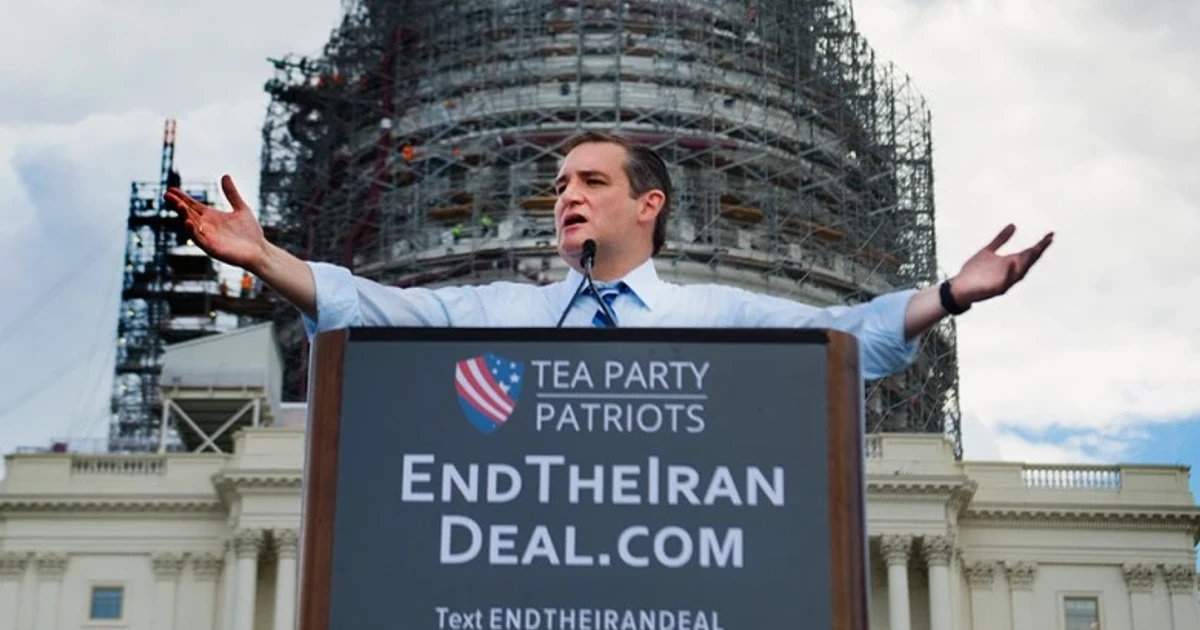
Ted Cruz gave the GOP revolt its sharpest edge, saying handing “billions” to Iran was “an exceptionally bad idea” as Senate Republicans broke publicly with Donald Trump over an interim accord that they say could flood Tehran with cash. The backlash has turned the deal into a test of how far Trump can carry his own party on Iran, and whether conservative critics are objecting on principle, on process, or because they see political risk in a pact that could reshape oil flows and regional security.
The White House sent the text of the U.S.-Iran Memorandum of Understanding to members of Congress on Thursday, June 18, after Trump signed the preliminary deal earlier in the week. But lawmakers from both parties said they still wanted more information and had not received congressional briefings, underscoring how much of the bargain remained opaque even as the administration pressed ahead.
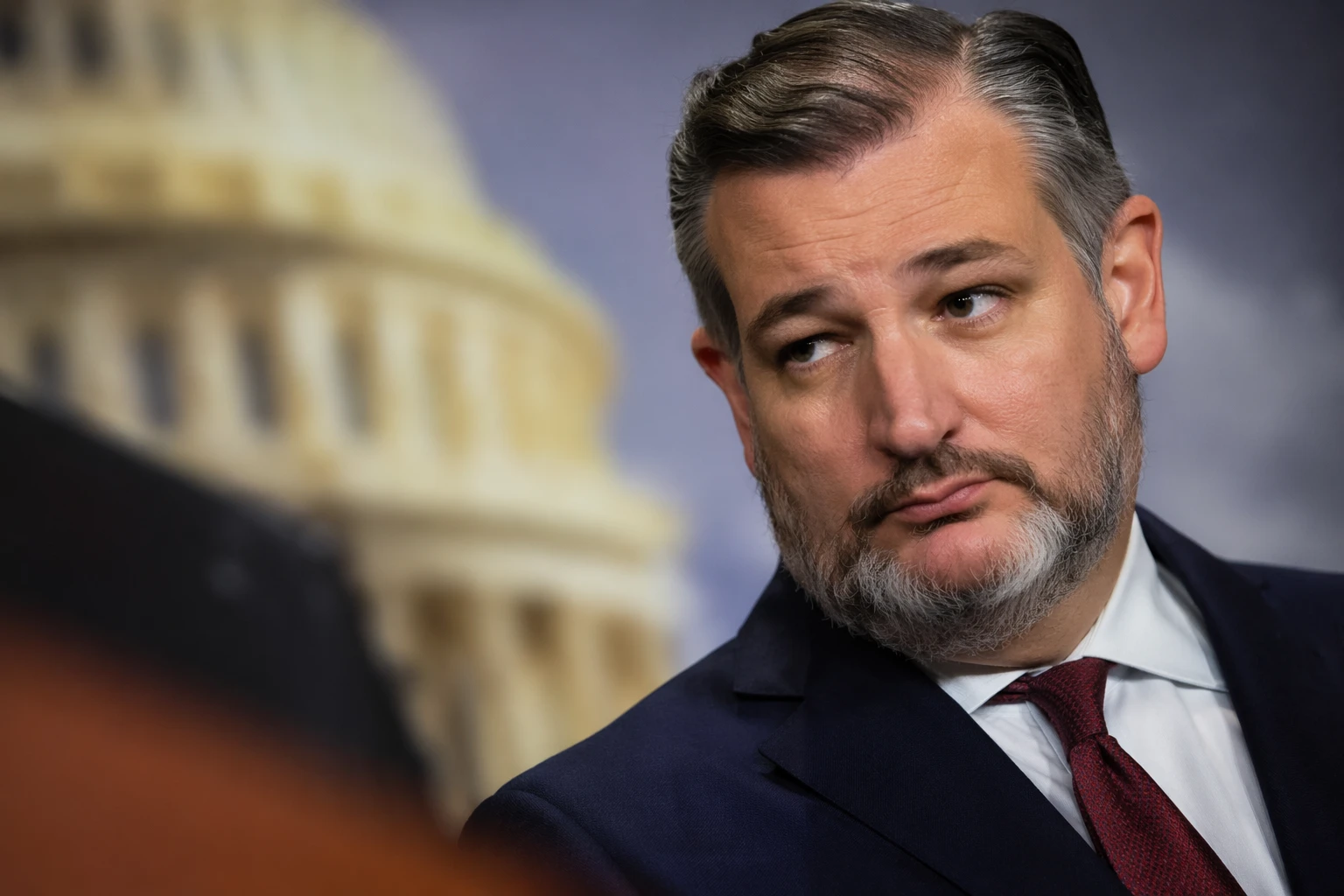
Republicans seized on the deal’s reported terms. They said it would provide Iran immediate relief on oil revenues, work to unfreeze $24 billion in Iranian assets, and could help create a $300 billion reconstruction fund for Iran. One senator called it the “worst foreign policy blunder in decades,” while others described parts of the arrangement as “ill-advised.” For GOP skeptics, the issue is not only whether the money is real, but whether a deal that eases pressure on Tehran after months of war and economic disruption rewards Iranian leverage.

Trump pushed back on the spending criticism, saying the United States would not be “investing any money in Iran.” Officials said the reconstruction fund would instead be financed by Gulf nations. The framework, announced on Sunday, June 14, was tied to a 60-day period for negotiations over a final agreement and reportedly included reopening the Strait of Hormuz, ending the U.S. naval blockade of Iranian ports and lifting sanctions on Iranian oil exports.
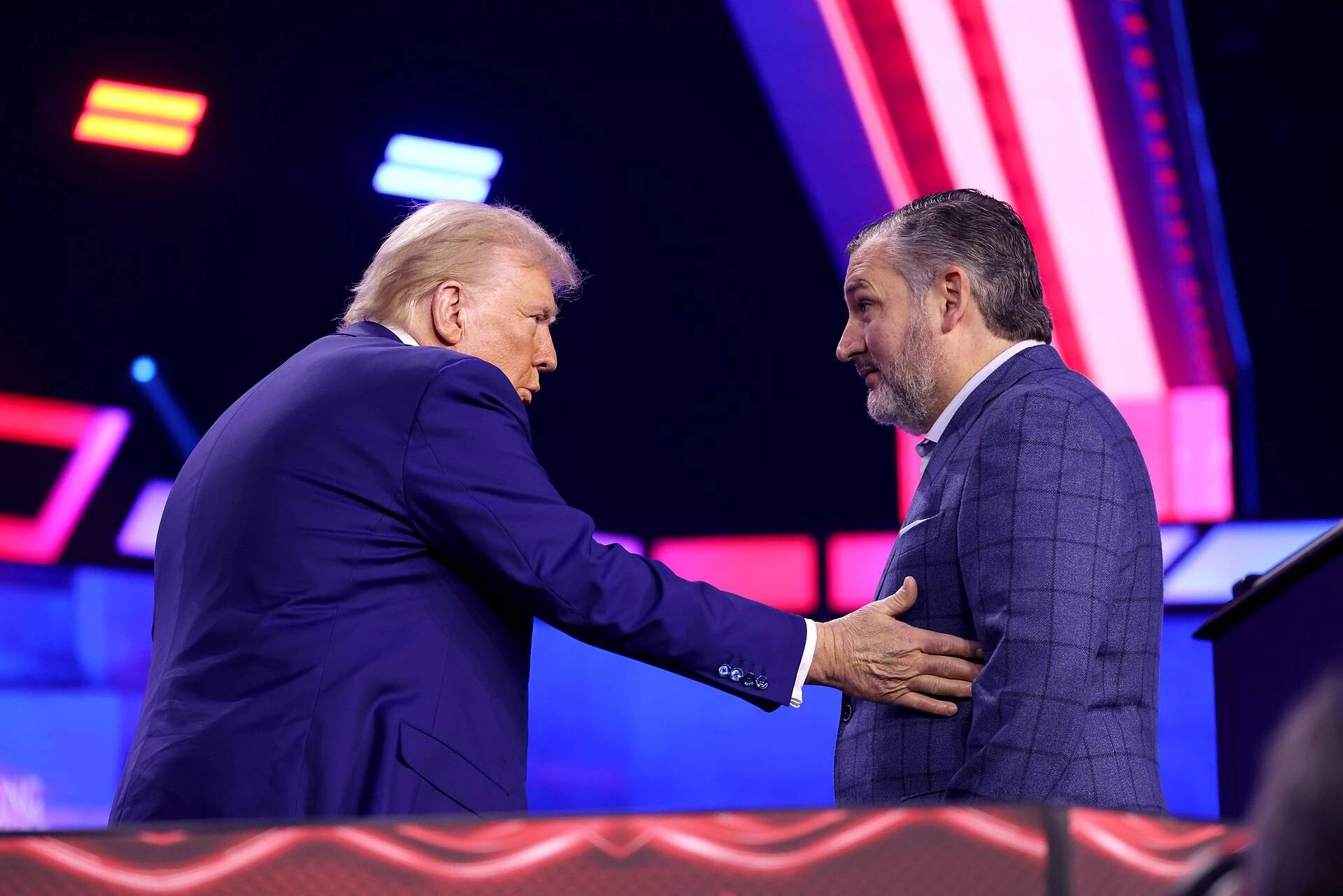
That combination explains why the dissent matters. Some Republicans, including Lindsey Graham, have asked to review the deal before it is finalized, a sign that the objections are not purely symbolic. Yet the fact that the White House has already circulated the text, and Trump is willing to send it to Congress, suggests the party split may do more to slow, scrutinize and politicize the agreement than stop it outright.
Sources
- [1]abcnews.com
- [2]usnews.com
- [3]cnn.com
- [4]cnbc.com