World
Cuba adopts historic free-market reforms amid worsening economic crisis
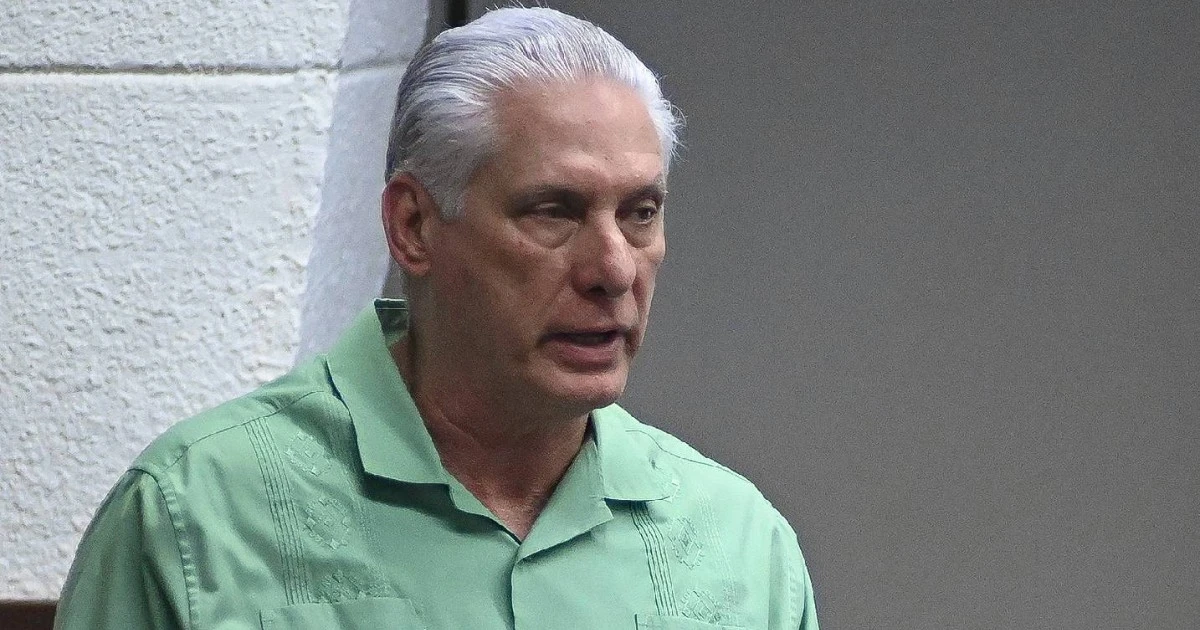
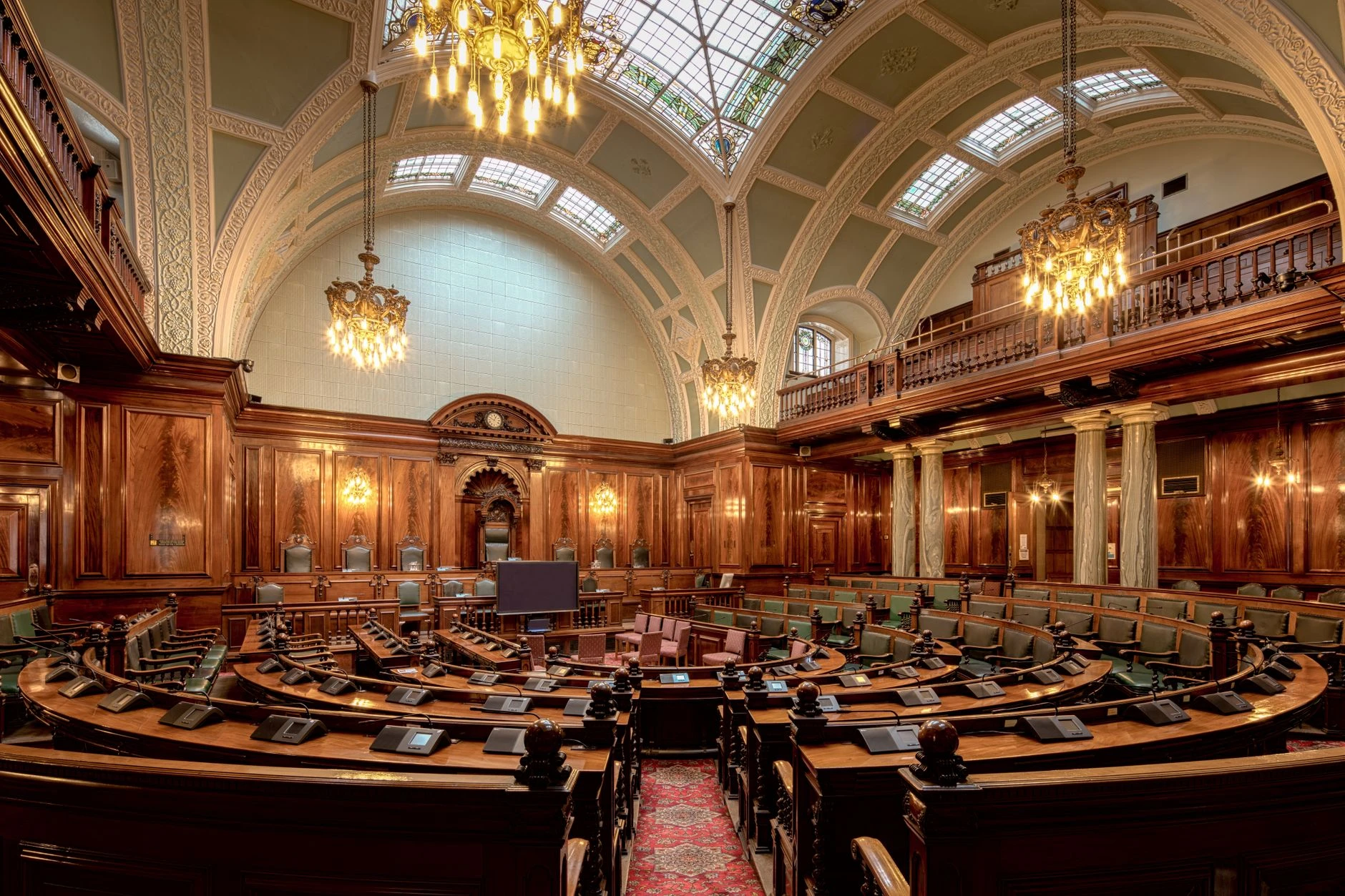
Cuba’s legislature moved to open parts of the state-run economy to private capital, approving 176 free-market measures in a unanimous vote as shortages, power cuts and fuel restrictions push the island deeper into crisis. The package, presented by Prime Minister Manuel Marrero, is the largest change to Cuba’s socialist model since Fidel Castro’s 1959 revolution and signals how far the government is now willing to go to relieve pressure without surrendering political control.
The reforms would allow private real estate development, let state-owned businesses be turned into private commercial ventures with shares and equity stakes, and permit private banks to enter Cuba’s tightly controlled finance sector. They would also allow state-owned property to be sold to Cuban and foreign legal entities and individuals, including Cubans living abroad, opening a path for capital that has long been blocked from the island’s formal economy.
The changes go beyond property and banking. Foreign investors would no longer be required to form joint ventures with the state. The package also points to more room for large private enterprises, greater autonomy for municipalities over foreign-currency revenues, direct participation by some state companies in the foreign exchange market, reduced subsidies for certain products and less bureaucracy across sectors including tourism, agriculture, foreign trade and land use. Yet the government has still not laid out a clear timetable for implementation, leaving open the key question of how much of the package will move from paper to practice.
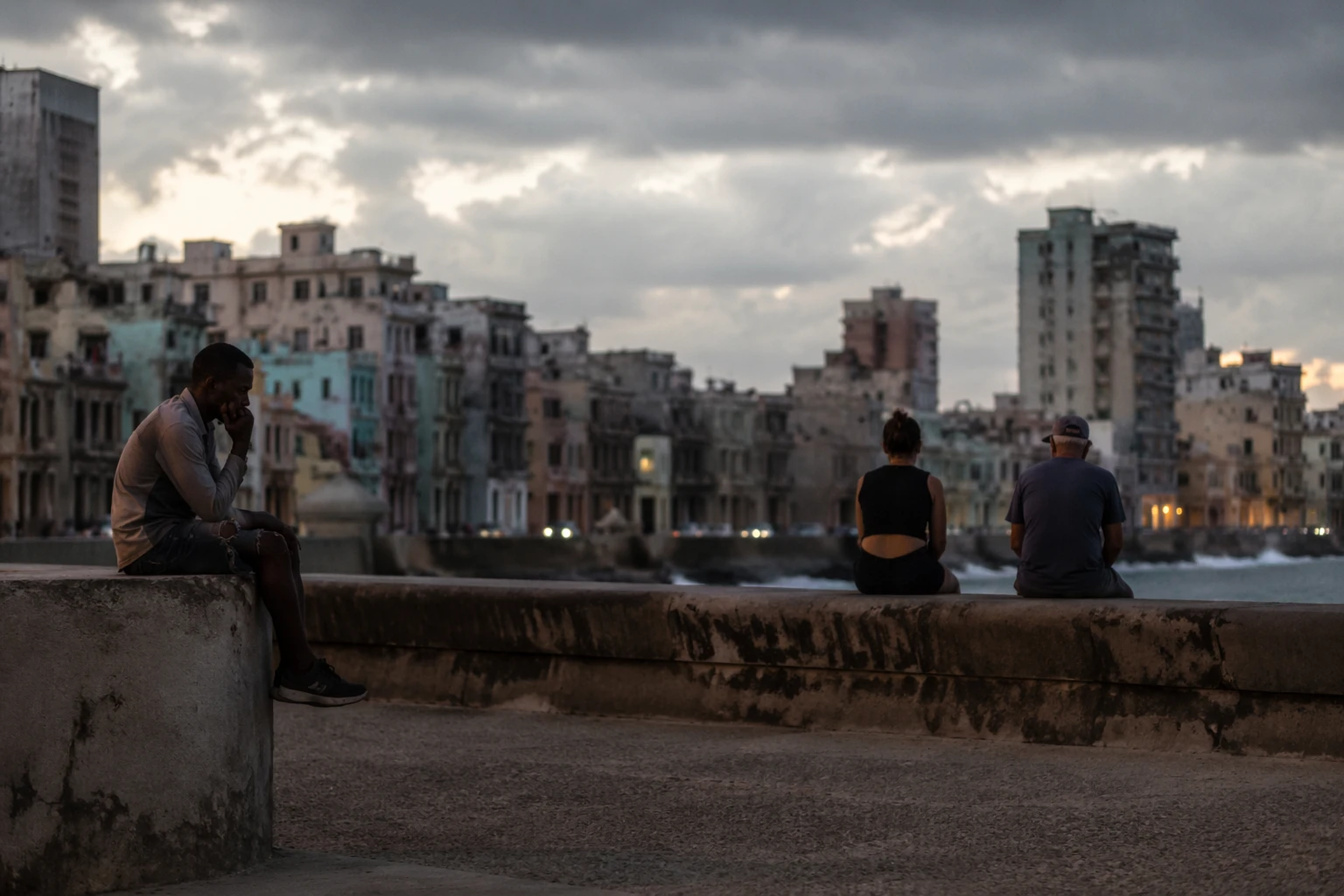
The vote came amid Cuba’s worst economic strain in years, with chronic shortages, an energy collapse and rising fear of social unrest. In January 2026, the United States tightened restrictions on Cuba’s oil supplies, a step Havana says has deepened fuel shortages, food insecurity and power cuts. Miguel Díaz-Canel has also acknowledged that Cuba’s problems cannot be blamed solely on outside pressure, pointing instead to slowness, bureaucracy and delayed decisions. He has insisted Cuba is “not renouncing socialism,” even as he said it was “time to change” and that the country cannot continue on its current course.

Economists and analysts described the reform package as a stress test for the Cuban state itself. Daniel Torralbas called it “the most profound” shift since the revolution. Michael Bustamante of the University of Miami said Cuba’s leaders are moving because they are backed into a corner by U.S. pressure. Pavel Vidal, a former Central Bank of Cuba official now teaching in Colombia, said the leadership has left a small opening for reform and appears more willing to change than before, though Cubans remain cautious about whether the opening will lead to any easing of sanctions.
Sources
- [1]cbsnews.com
- [2]usnews.com
- [3]france24.com
- [4]english.elpais.com
- [5]nbcnews.com