World
Cuba ends school year early as fuel shortage deepens crisis
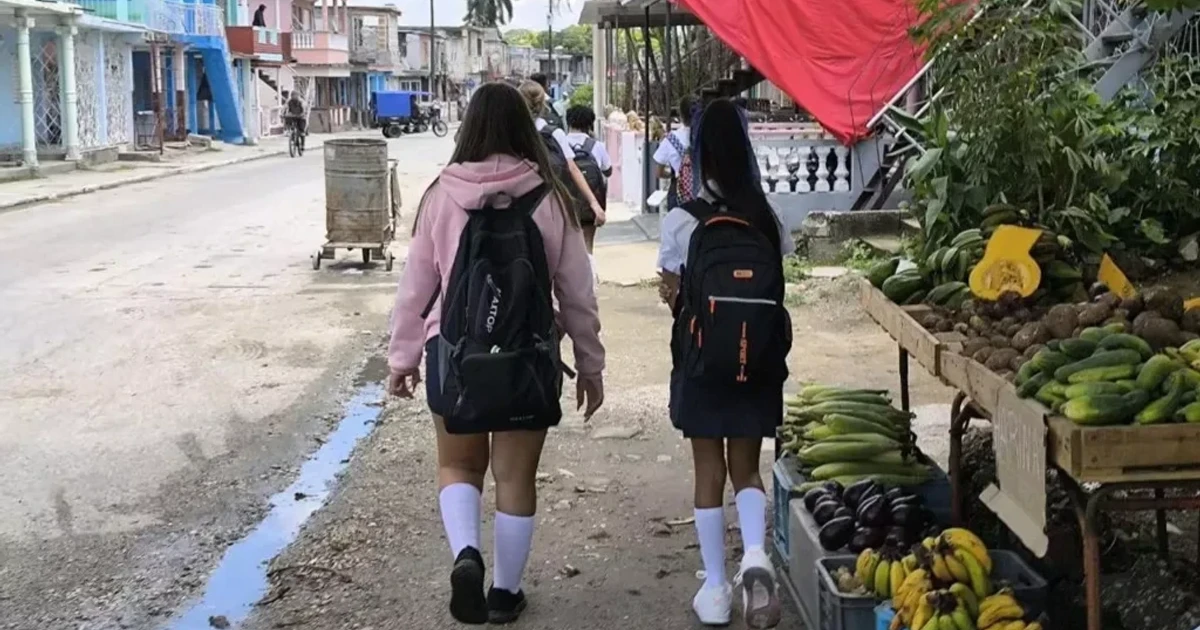
At Adalberto Gomez Nunez Primary School in Havana, the fuel crisis had already pushed classrooms into a reduced rhythm by February 12, 2026. Some municipalities were running half-days or skipping classes on certain days, and Cuba has now ended its academic year 15 days earlier than planned as the shortage rippled through education.
The disruption lands in a country where the school year normally runs from September to July. Instead of finishing on schedule, the Ministry of Education moved to cut the year short as fuel scarcity tightened transport, electricity and daily operations. Cuba also canceled this year’s nationwide university entrance exams, another sign that the energy shock has moved beyond temporary inconvenience and into the structure of the school system itself.
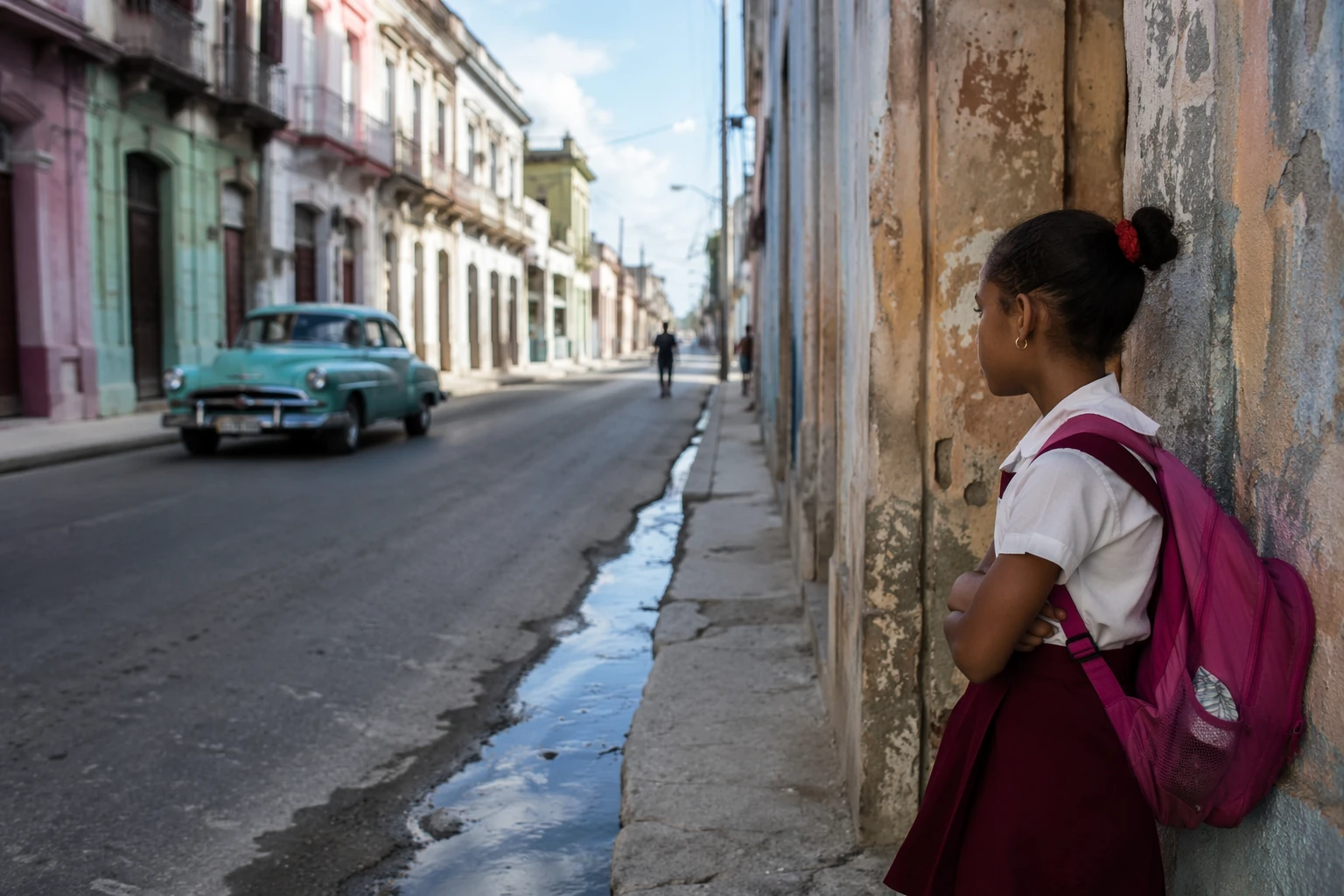
The strain was visible in Havana. Reuters recorded a parent preparing before dawn on February 12, saying she woke at 3:30 or 4:00 a.m. to get ready before the electricity went out. At the same school, a principal said some territories were already operating on reduced schedules while his own school kept a full schedule despite the energy situation. The scene captured how unevenly the crisis was being absorbed from one neighborhood to the next.
Cuban officials have responded by rationing fuel and taking emergency measures to protect essential services, while blaming Washington for the crisis. The United Nations said conditions worsened after measures taken at the end of January 2026 blocked oil supplies from entering the island, deepening a shortage that had already been squeezing transport and public services. The UN is now supporting around two million people across eight provinces, with priorities that include solar power for irrigation systems, hospitals and schools.
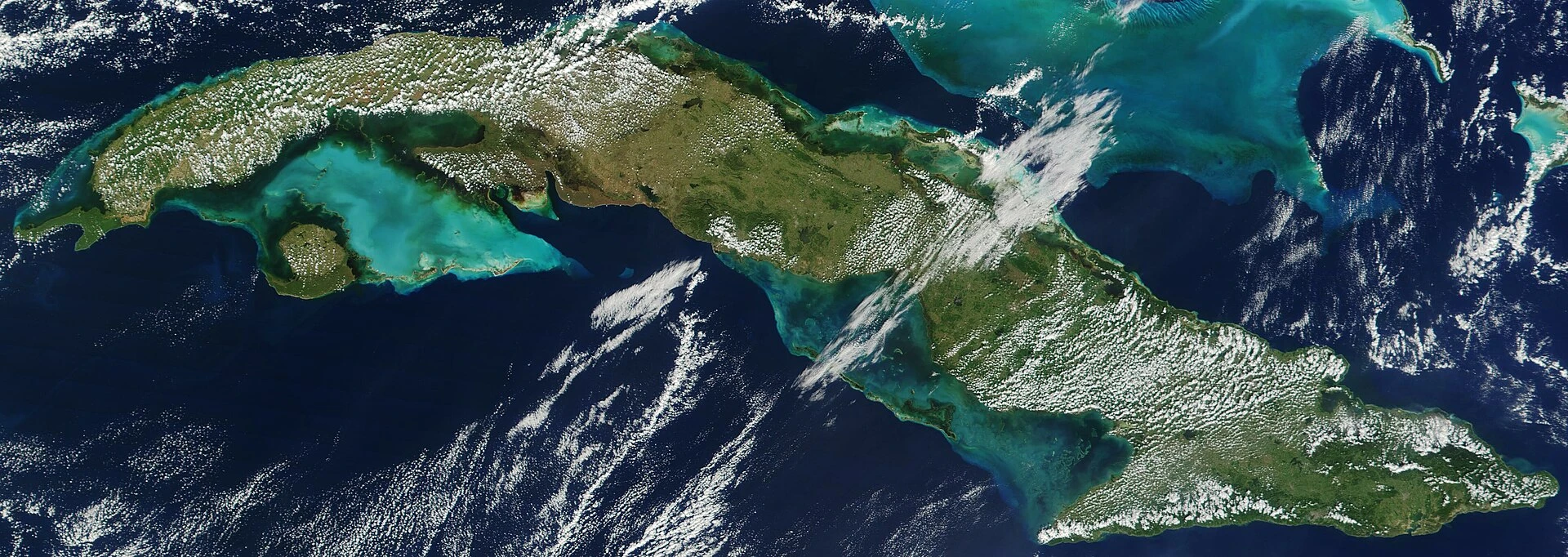
The damage reaches far beyond classrooms. The UN said Cuba’s energy crisis worsened again after the end of March 2026 and added to other shocks, including destruction from Hurricane Melissa in late October 2025. The health system has a backlog of more than 96,000 pending surgeries, including 11,000 for children, and about one million people depend on water trucking. In that setting, shortened school days are not an isolated policy choice but part of a wider collapse in the public services families rely on to keep daily life moving.
Sources
- [1]nytimes.com
- [2]reutersconnect.com
- [3]news.un.org
- [4]dw.com
- [5]msn.com
- [6]trtworld.com