US News
Cuba Faces Nationwide Blackout Amid Growing Energy Crisis
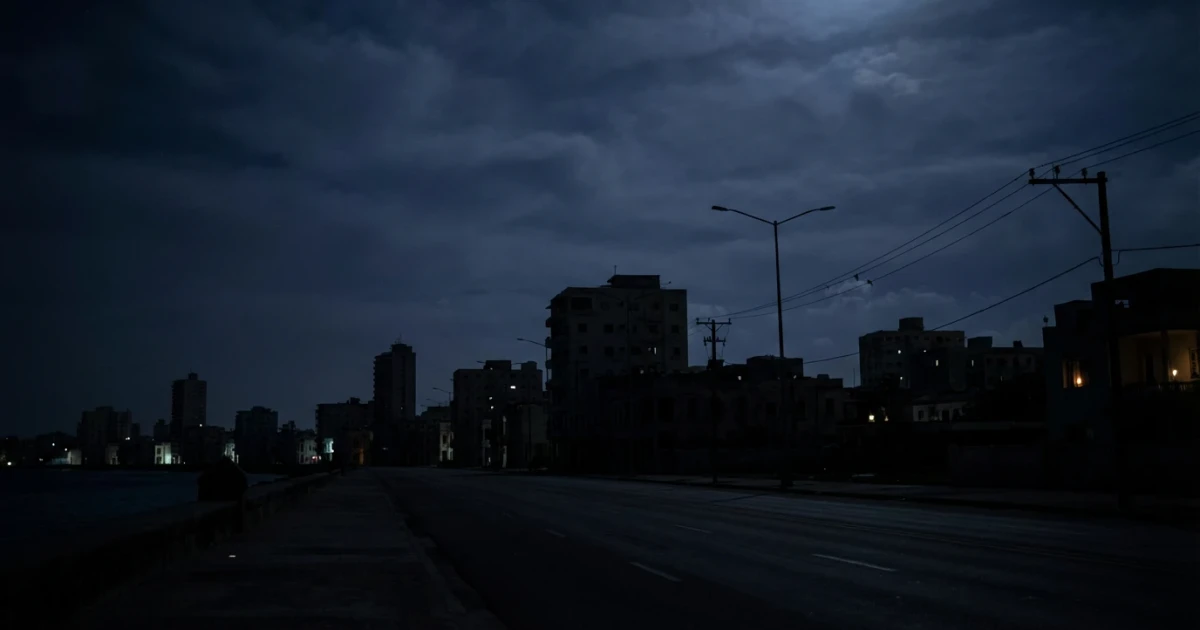
Cuba was plunged into darkness on Monday as an islandwide blackout underscored the nation’s mounting energy challenges. The widespread power outage, which affected all provinces, comes as the country faces ongoing difficulties securing fuel and maintaining its aging power grid.
The Scope of the Blackout
The Associated Press reported that electricity was lost across Cuba, disrupting daily life for millions. Major cities including Havana, Santiago de Cuba, and Camagüey were impacted, with hospitals, businesses, and households left without power for hours. The blackout forced government agencies and emergency services to rely on backup generators, while public transportation and communications systems were temporarily halted.
Underlying Causes: Fuel Shortages and Infrastructure Strain
Cuba’s energy system has come under increasing strain in recent years. The country relies heavily on imported fuel and a fleet of outdated thermoelectric plants for electricity generation. According to the International Energy Agency, over 90% of Cuba’s electricity is produced from oil-fired plants, many of which are decades old and prone to breakdowns. Chronic shortages of spare parts and maintenance resources have left the grid vulnerable to failures.
Recent analysis from the U.S. Energy Information Administration notes that disruptions to fuel imports—exacerbated by international sanctions and limited access to foreign currency—have forced the government to ration electricity, especially during peak demand periods. The situation has been further complicated by increased demand and a lack of investment in renewable energy infrastructure.
Economic and Social Impact
The blackout’s effects were felt across all sectors of society. Cuban businesses faced significant losses as refrigeration and production lines stalled. Schools suspended classes, and many residents struggled to access water, which relies on electric pumps. The outage also disrupted critical services, including healthcare, where hospitals had to rely on limited generator power to keep essential equipment running.
- Over 11 million residents were affected by the blackout
- Essential services in major cities forced to operate with emergency generators
- Widespread disruption to transportation and communications
Government Response and Public Frustration
Authorities have not provided a detailed explanation for the root cause of the blackout but have acknowledged the ongoing difficulties in maintaining a stable power supply. Outages and rationing have become more frequent over the past year, intensifying public frustration. The official government energy statistics, available through the Oficina Nacional de Estadísticas e Información, confirm a downward trend in electricity generation and increased reliance on emergency measures.
Many Cubans have taken to social media to express their concerns about the reliability of the grid and the government’s capacity to address underlying issues. According to a recent World Bank assessment, Cuba requires significant investment in both grid modernization and alternative energy sources to reduce vulnerability to future blackouts.
Looking Ahead: Calls for Modernization
As Cuba recovers from this latest blackout, experts and international observers are calling for urgent reforms. Analysts recommend diversifying the country’s energy mix, investing in renewables such as solar and wind, and upgrading the grid to withstand further shocks. Without these changes, Cuba could face more frequent and severe outages, threatening both economic recovery and public welfare.
The blackout serves as a stark reminder of the challenges facing Cuba’s energy sector—a system stretched to its limits and in need of comprehensive overhaul to ensure a stable and sustainable future for its people.