World
Cuba remittance platform shuts down as US sanctions tighten pressure
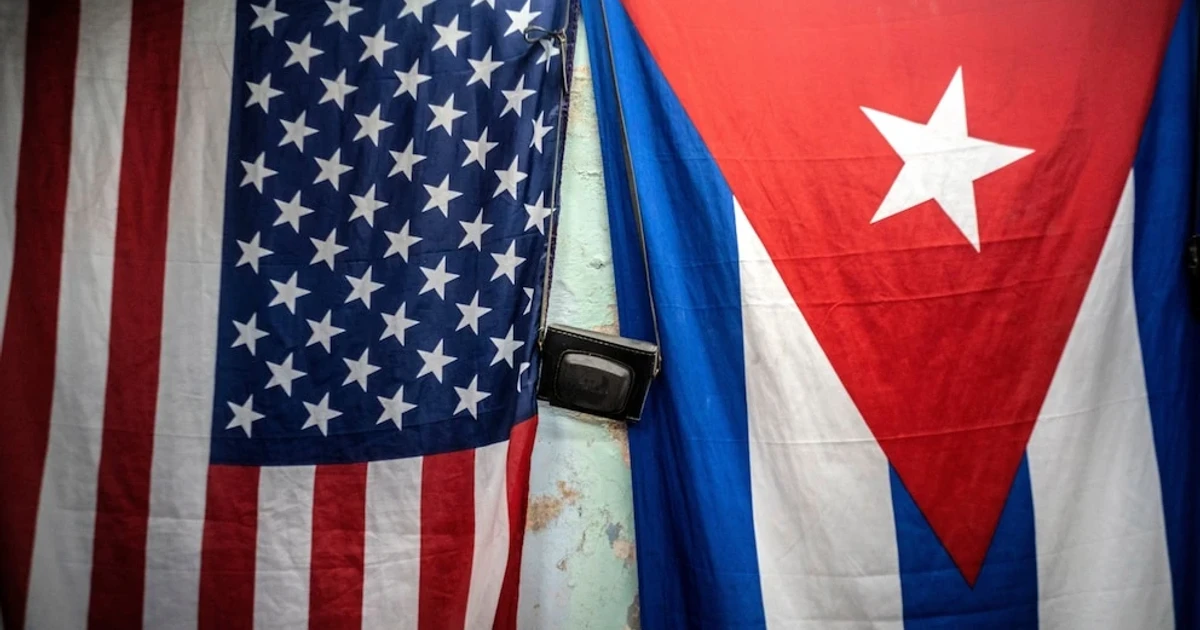
For Cuban families split between Miami and the island, the shutdown of Envioscuba.com hit at the level of groceries, medicine and clothing, not diplomacy. The online platform stopped taking new orders on June 15, but said it would finish deliveries that had already been approved and were in process. For many Cuban Americans, it had served as a practical lifeline, letting relatives in the United States buy essentials online and arrange delivery inside Cuba when moving goods through other channels had become harder.
The closure landed as Washington widened its campaign against Havana. On May 7, the U.S. State Department said Secretary of State Marco Rubio had designated Grupo de Administración Empresarial S.A., known as GAESA, under Executive Order 14404 and warned that more designations could follow. The department said GAESA controls an estimated 40% or more of Cuba’s economy, with revenues likely more than three times the state budget and as much as $20 billion in illicit assets. That pressure has mattered to businesses tied to the island’s logistics chain, including platforms that depend on GAESA-linked warehouses and commercial partners.

Envioscuba.com gave little explanation, saying only that it could no longer provide services for reasons beyond its control. The consequence was immediate for ordinary households already living through shortages of food and medicine, almost constant blackouts and oppressive heat. The U.N. human rights chief, Volker Türk, said on June 8 that the expanded sanctions were endangering lives, with blackouts frequently exceeding 20 hours and fuel restrictions worsening access to food, water and healthcare. On May 15, U.N. officials said hospitals across Cuba were suspending surgeries, with more than 100,000 patients, including 11,000 children, waiting for delayed operations and around five million people with chronic illnesses at risk of interrupted treatment.
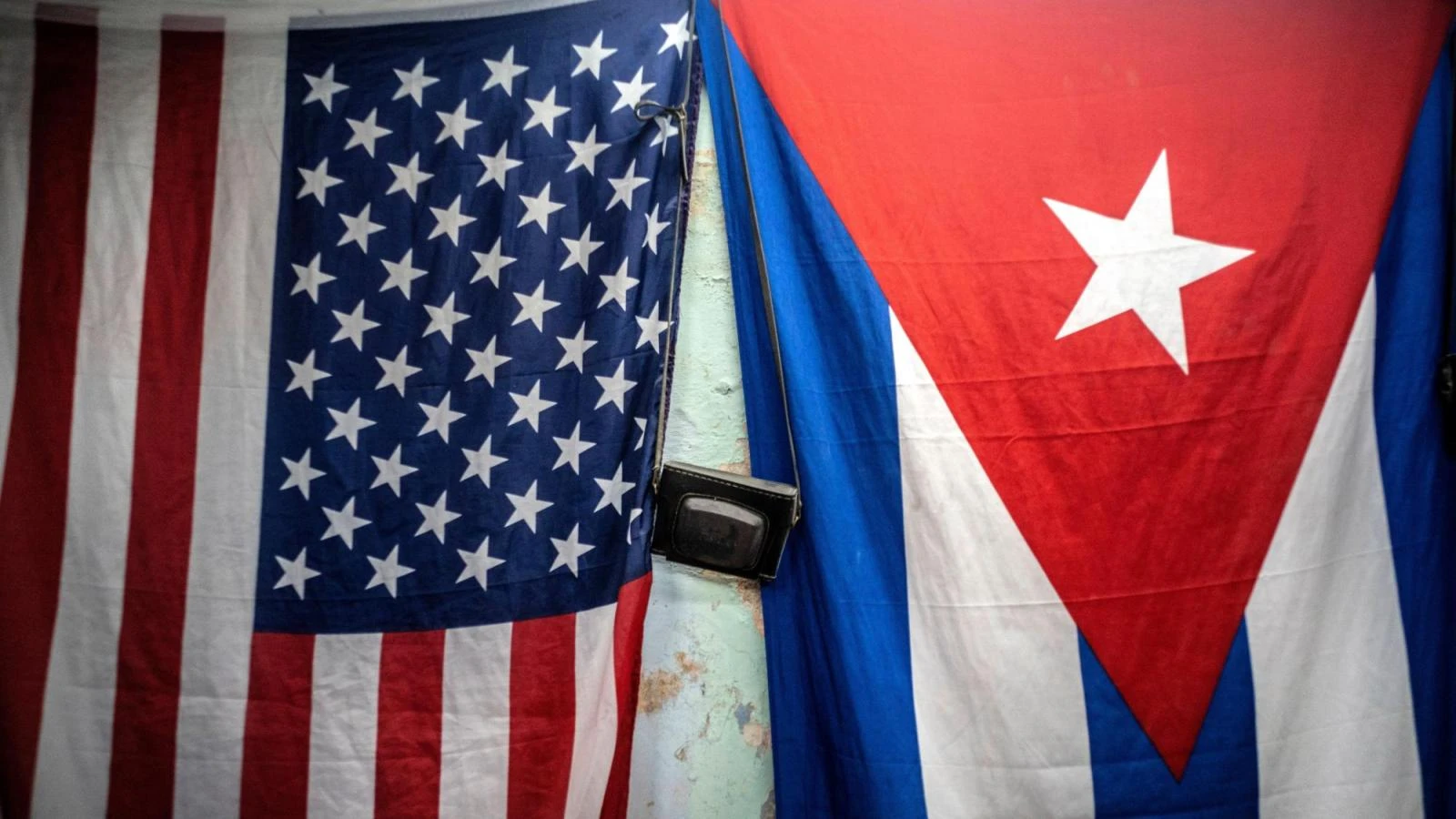
The broader economic strain has also weakened the support networks that Cuban households rely on to survive. The Inter-American Dialogue said remittances to Cuba were worth less than $4 billion in 2023, underscoring how important private transfers remain even as formal channels narrow. Reuters reported on June 10 that the Cuban peso had lost about a third of its value against the dollar since the start of the fuel blockade and that pensions had fallen to the equivalent of about $7 a month on the black-market exchange.
The pressure is reaching into other parts of the economy as well. Meliá Hotels International said it would cease operations at 15 of the 34 hotels it manages in Cuba. Cuba’s central bank said it would suspend Visa and Mastercard transactions starting June 6 after a foreign partner reduced operations because of the sanctions environment. Reuters also reported that Cuba is the fastest-aging nation in Latin America and the Caribbean, with more than a quarter of its population over 60 and the population down to less than 10 million since 2021. For families trying to keep food on the table, the shutdown of one remittance portal showed how sanctions can squeeze not just the Cuban state, but the private channels that keep people going day to day.
Sources
- [1]abcnews.com
- [2]apnews.com
- [3]state.gov
- [4]ohchr.org
- [5]ungeneva.org
- [6]usnews.com
- [7]thedialogue.org
- [8]cbsnews.com