US News
Cuban Border Guards Kill Four on U.S. Speedboat
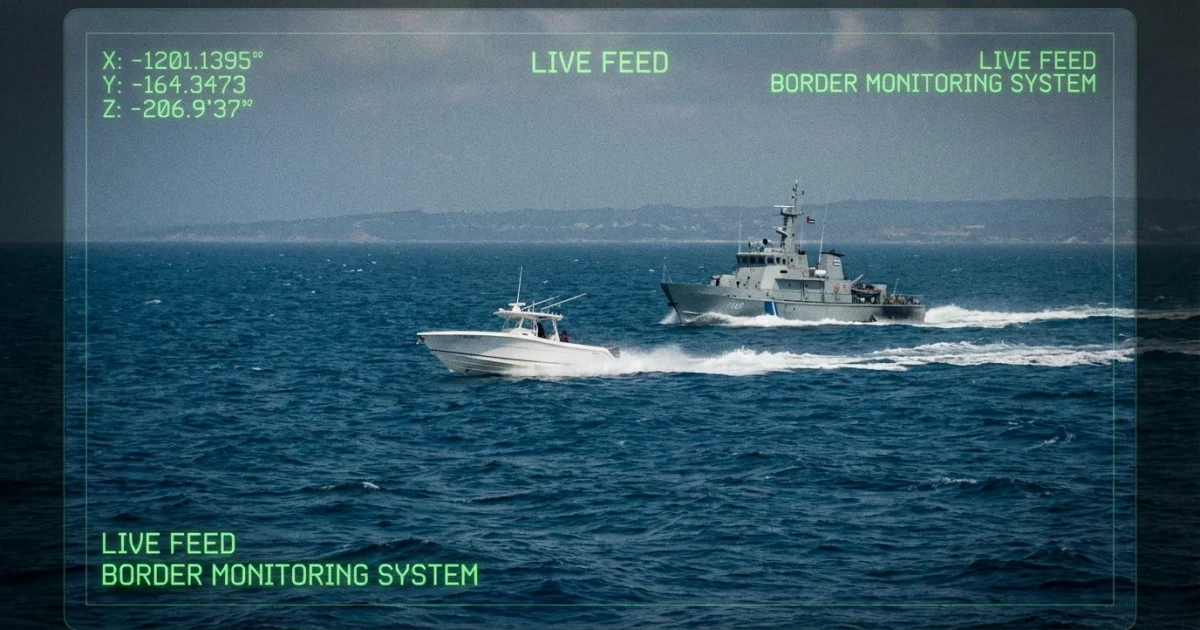
Four people were shot and killed by Cuban border guards after authorities intercepted a U.S.-registered speedboat off the coast of Cuba, according to official statements from Havana. The incident, which took place near Cuban territorial waters, has sparked renewed scrutiny of Cuba’s border enforcement tactics and the ongoing challenges of maritime migration in the region.
Incident Details Emerge
Cuban officials reported that border security forces opened fire on a speedboat registered in the United States, resulting in the deaths of four individuals believed to be Cuban exiles. While exact details of the encounter remain under investigation, Havana described the vessel as attempting unauthorized entry or exit across its maritime border. The Washington Post and BBC both cited Cuban government statements confirming the use of lethal force by border guards during the confrontation.
Context: Cuban Migration and Border Security
The incident comes against a backdrop of heightened Cuban migration by sea, with thousands attempting dangerous crossings in recent years. Data from the UNHCR Refugee Data highlights an increase in Cuban asylum seekers and irregular departures. According to the U.S. Customs and Border Protection, interdictions of Cuban migrants at sea have surged, reflecting deepening economic hardship and political repression at home.
- Maritime migration from Cuba to the U.S. rose significantly between 2021 and 2025
- U.S. authorities have documented thousands of interceptions annually in recent years
- Many migrants cite economic crisis and political dissent as driving factors
Laws and Use of Force
The use of deadly force at borders is governed by international standards such as the International Covenant on Civil and Political Rights (ICCPR), which calls for restraint and proportionality in law enforcement actions. Human rights organizations and the U.S. State Department’s 2023 Human Rights Report have previously raised concerns about Cuban authorities’ use of force against migrants, particularly during maritime interdictions.
Competing Perspectives
Cuban officials have defended border enforcement as necessary for national security and to curb illegal trafficking. However, critics argue that firing on vessels carrying unarmed civilians violates international norms and places lives at undue risk. The identities and motives of those killed have not been independently verified, and no direct statements from U.S. authorities have been released as of publication.
Diplomatic and Policy Implications
The shooting is likely to strain already tense U.S.-Cuba relations and could prompt renewed debate over migration agreements. According to the Migration Policy Institute, disruptions to legal migration channels have historically fueled irregular maritime departures and heightened risks for those seeking to flee the island.
Looking Ahead
As investigations unfold, the incident underscores the perils faced by Cuban migrants and the complex interplay of humanitarian concerns, border security, and international law. Observers say the deaths may intensify calls for greater transparency in border enforcement and for renewed diplomatic engagement to address root causes of Cuban migration.