World
Cuba's elderly face crisis as pensions collapse and shortages deepen
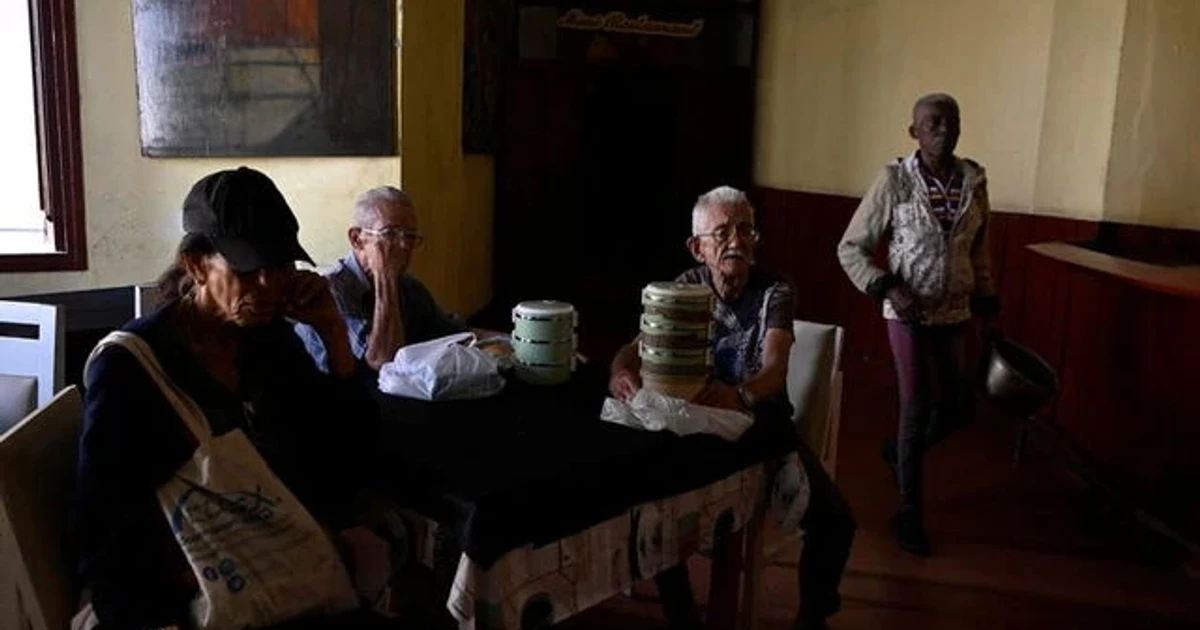
Cuba’s collapse is being measured in the hardest place of all: the home of an 85-year-old former government bureaucrat who fell ill and could not be driven to the hospital because his family had no fuel. His case captures how routine survival has unraveled for older Cubans, who are now trying to stretch pensions, food rations and medicine through repeated blackouts and worsening shortages.
For many retirees, money no longer covers even the basics. In black-market exchange terms, monthly pensions have shrunk to about $7, while the peso has lost roughly a third of its value against the dollar since the blockade tightened. That has turned state guarantees into fragments of what they once were, leaving elderly Cubans to trade time, transport and family help for access to food, prescriptions and a functioning clinic.
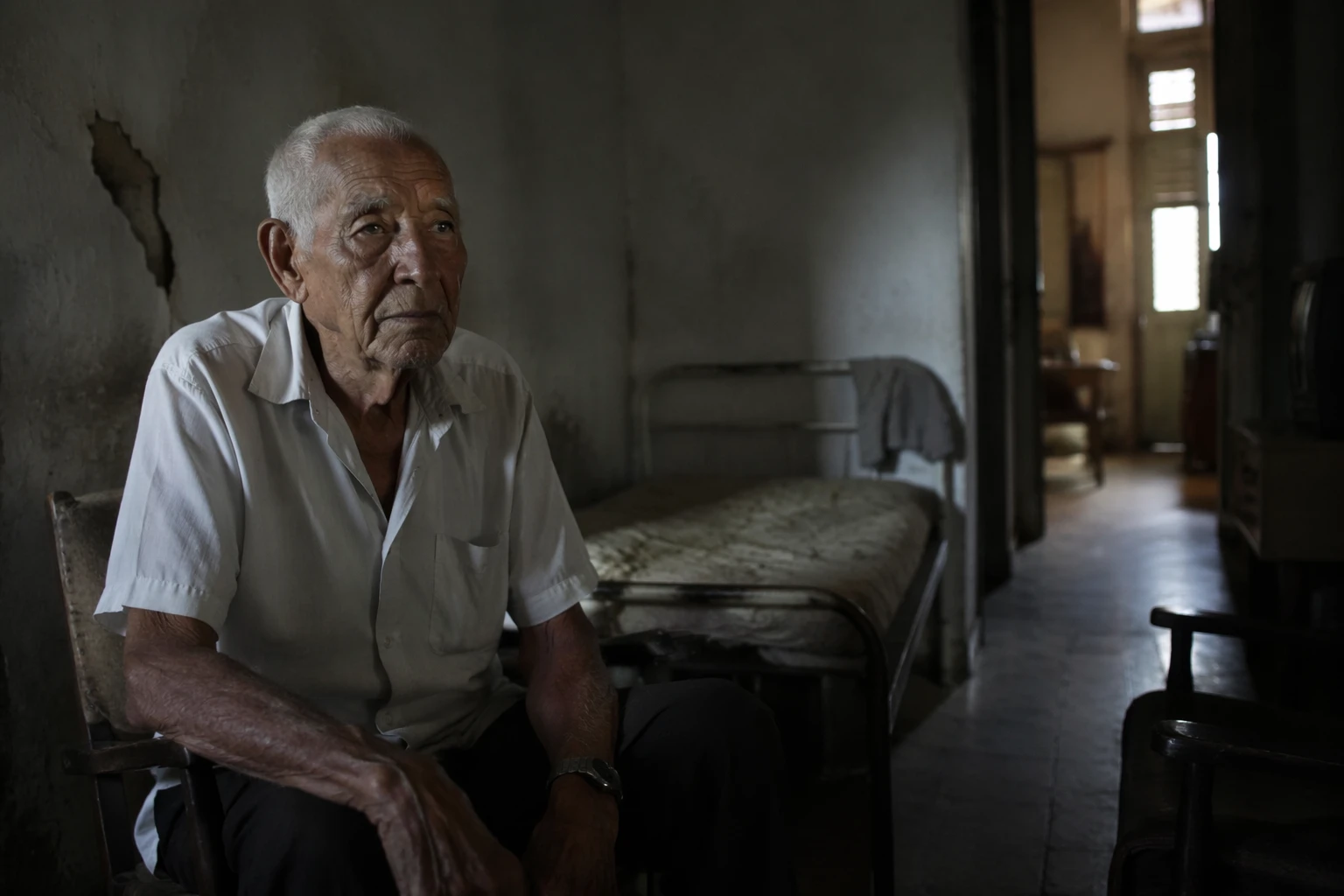
The demographic strain is making the crisis more severe. Cuba’s official population stood at 9,748,007 at the end of 2024, and 25.7% of residents were 60 or older, up from 19.4% in 2015. The country has fallen below 10 million people and has lost about 10% of its population since 2021 as births decline and younger Cubans leave, while the Economic Commission for Latin America and the Caribbean says Cuba has the highest median age in the region.
That aging profile is colliding with a failing public system. United Nations News reported on May 15 that blackouts and fuel shortages were forcing hospitals to suspend surgeries and struggle with severe medicine shortages. The World Food Programme says it is providing food assistance where possible and has warned that food-security and nutrition problems are growing, while its Havana representative, Etienne Labande, has said older adults are in a very high-risk position as rising prices, shrinking pensions and rationing push them into peril.
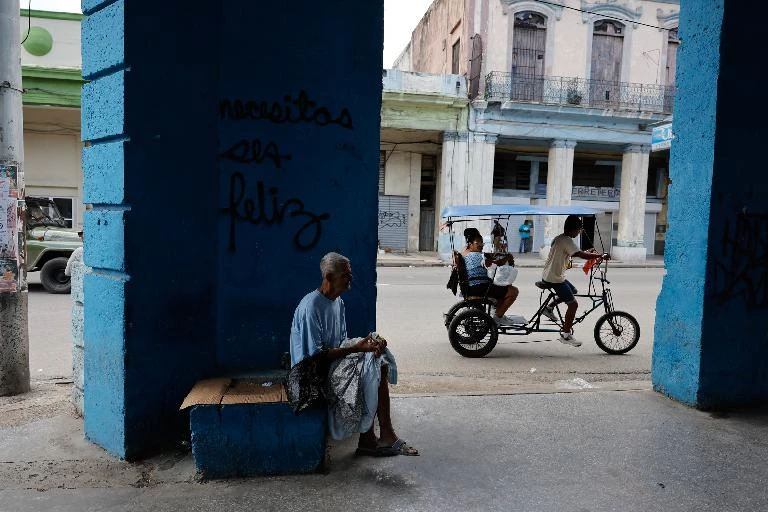
The politics of responsibility remain bitterly contested. The U.S. embargo has been in place since February 1962, and the Donald Trump administration hardened sanctions and cut off Cuba’s oil supply in recent months, deepening an already fragile fuel situation. Washington says new sanctions announced in May and June 2026 target regime-linked entities and individuals, while blaming Havana’s corruption and mismanagement for the broader breakdown. For elderly Cubans, the argument matters less than the result: missed hospital trips, empty cupboards, dark apartments and a state that is failing the people most dependent on it.
Sources
- [1]usnews.com
- [2]onei.gob.cu
- [3]news.un.org
- [4]wfp.org
- [5]state.gov
- [6]cepal.org