World
Cuba’s revolutionary figure Ramiro Valdes dies at 94
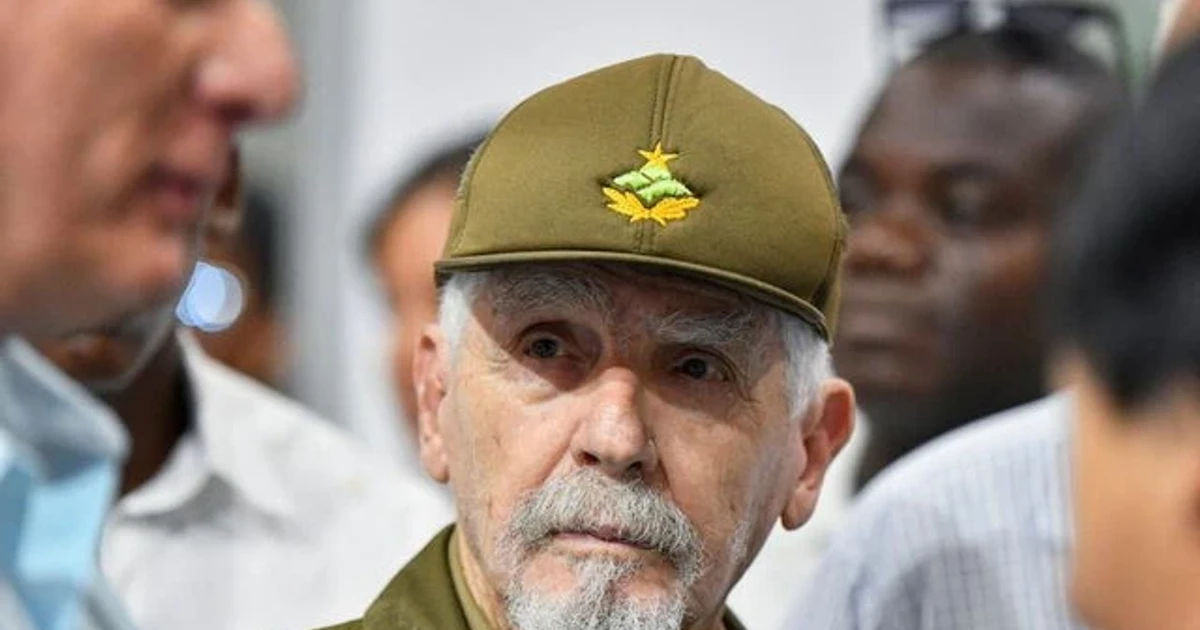
Ramiro Valdés Menéndez, one of the most enduring faces of Cuba’s revolutionary generation and a central figure in the island’s security state, died on Sunday at 94. President Miguel Díaz-Canel announced the death on social media and gave no cause, then said Valdés’ loss hurt deeply, “like losing a father,” a line that captured how closely the Cuban state still ties its legitimacy to the men who brought Fidel Castro to power.
Valdés was more than a ceremonial survivor of 1959. He was among Castro’s earliest collaborators, a veteran of the failed assault on the Moncada barracks in Santiago de Cuba on July 26, 1953, when he was just 21. He later followed Castro into exile in Mexico and joined the Granma expedition that returned to Cuba in 1956 to restart the insurgency against Fulgencio Batista. That journey, and the guerrilla war that followed, became the founding legend of the Cuban state.
Official Cuban biographies cast Valdés as one of the builders of that system, not merely one of its symbols. Parliament described him as a founder of the Ministry of the Interior and one of the founders of Cuba’s state security organs. His career also reached into the highest levels of government: minister of the interior, first vice minister of the Revolutionary Armed Forces, vice prime minister, minister of informatics and communications, and vice president of the Councils of State and Ministers. He also served as a founder-member of the Communist Party Central Committee and Political Bureau, remaining on the party’s powerful Political Bureau until 2019.
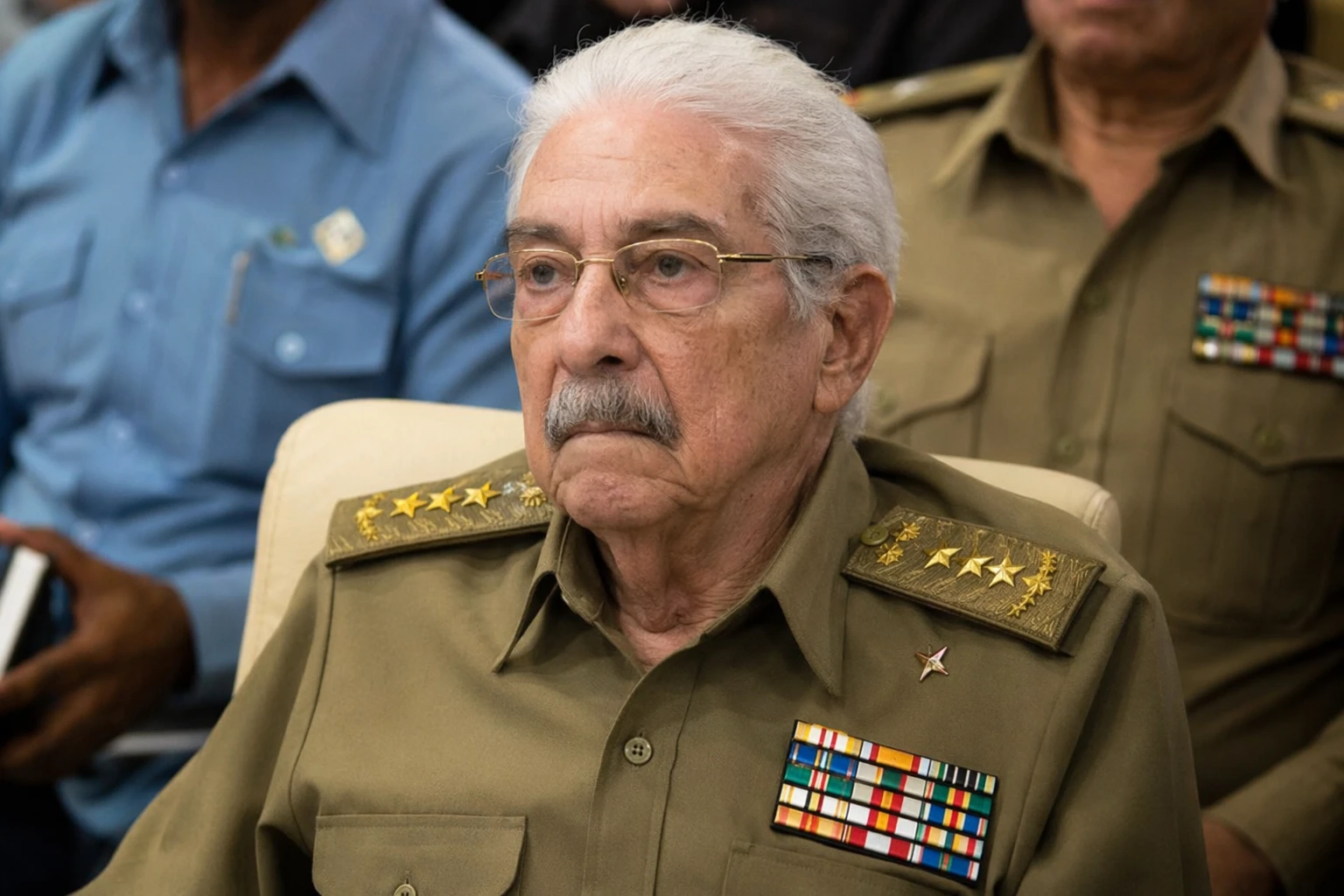
The titles told only part of the story. In Cuban official memory, Valdés stood alongside Fidel Castro and later Raúl Castro as one of the revolution’s hard men, praised at home as a hero and remembered abroad as an architect of the island’s feared intelligence apparatus. His death removes another direct link to the generation that defined the post-1959 order, one that fused revolution, state power and internal security into a single political project.
That is why Valdés’ passing reaches beyond obituary. It marks another step in the shrinking circle of living revolutionaries who can claim personal authority from Moncada and the Granma. As Cuba moves further from the Castro era, the government still reaches for the language of paternal reverence, especially when one of those founders dies. But the harder question remains unanswered: what, exactly, replaces a revolution when its last guardians are gone?
Sources
- [1]usnews.com
- [2]gmanetwork.com
- [3]chicagotribune.com
- [4]aljazeera.com
- [5]parlamentocubano.gob.cu
- [6]britannica.com
- [7]reuters.com