World
Cuba’s security architect Ramiro Valdés dies at 94
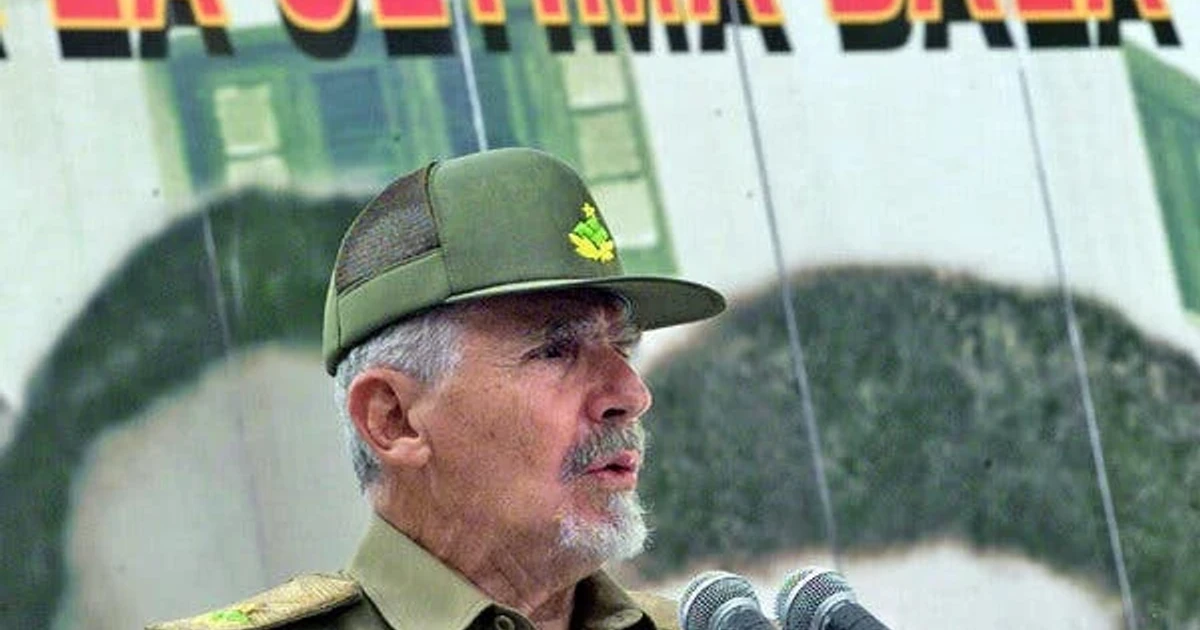
Ramiro Valdés Menéndez, one of the most feared and durable figures of Cuba’s revolutionary era, died at 94 on June 21, 2026, and the government placed him under official mourning. Born in Artemisa on April 28, 1932, he rose from the Moncada generation to become a central architect of the island’s internal security system, a role that still shapes daily life in Cuba and the politics of exile.
Valdés joined Fidel Castro’s 1953 attack on the Moncada Barracks at age 21 and later fought under Ernesto “Che” Guevara. After the 1959 victory, he served multiple terms as interior minister, putting him at the center of the Ministry of the Interior, which U.S. human-rights reporting says controls the police, internal security forces and prisons. That reporting also says specialized state-security units monitor, infiltrate and suppress independent political activity, a description that tracks the machinery critics long associated with Valdés.
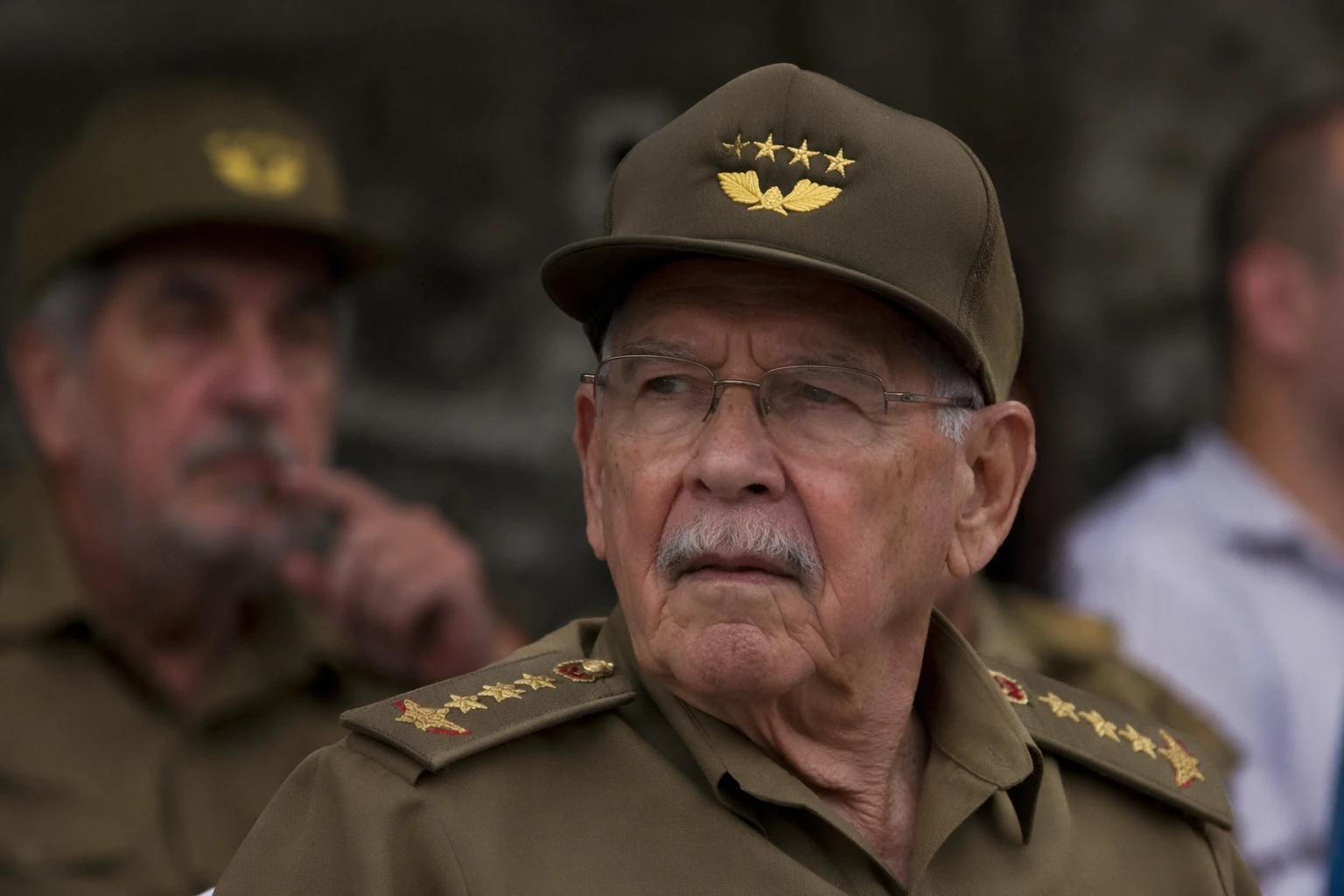
His influence extended beyond a single ministry. He fell out with Fidel Castro while serving as interior minister in 1986 and drifted out of the main circle of power until 2003, when he rejoined the Council of State. Raúl Castro brought him back into the inner government in 2006 by putting him in charge of the telecommunications ministry. Valdés was later elevated to vice president in 2009 and became the Communist Party’s number three leader in 2011. He also led a 1997 mission to Bolivia to locate and repatriate Guevara’s remains, a sign of how closely he remained tied to the revolution’s founding mythology.
Official tributes in Cuba cast Valdés as a hero of the Republic and praised his “absolute loyalty” to Fidel and Raúl Castro. Miguel Díaz-Canel said the country had lost a figure like a father. But Cuban-American lawmakers reacted with sharper language, arguing that Valdés died without answering for the repression tied to his career. María Elvira Salazar said he died without paying for “all the harm he caused,” while Carlos Giménez accused him of crimes against humanity.
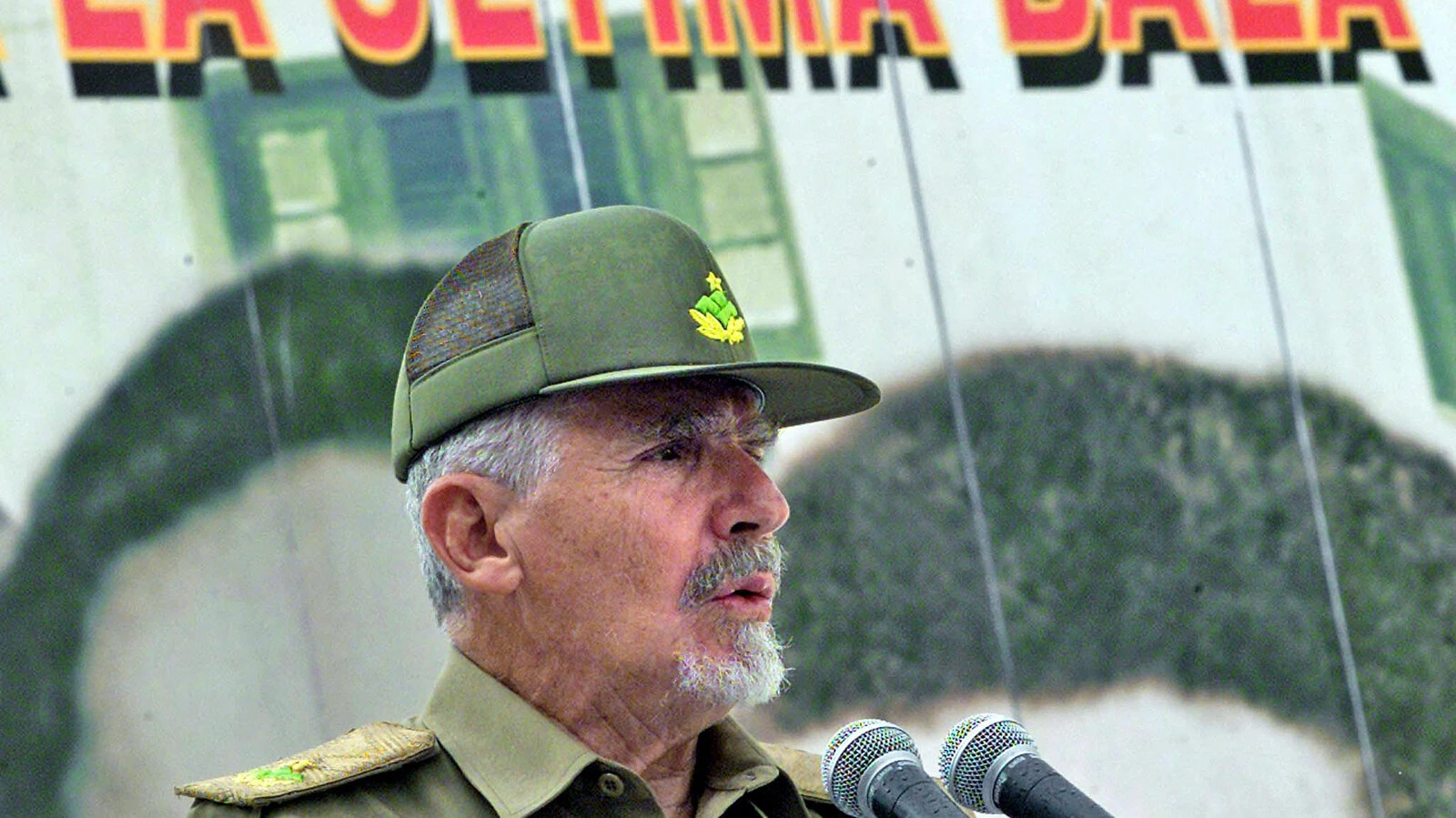
Valdés rarely appeared in public and never spoke to the press, a silence that matched the secrecy of the system he helped build. His death closes the life of a man who helped define Cuba’s surveillance state, but it does not close the debate over detention, dissent and accountability that still surrounds it.
Sources
- [1]nytimes.com
- [2]vindy.com
- [3]nbcmiami.com
- [4]upi.com
- [5]state.gov