Lifestyle
Cultural Events and Lifestyle Shifts Shape the DMV
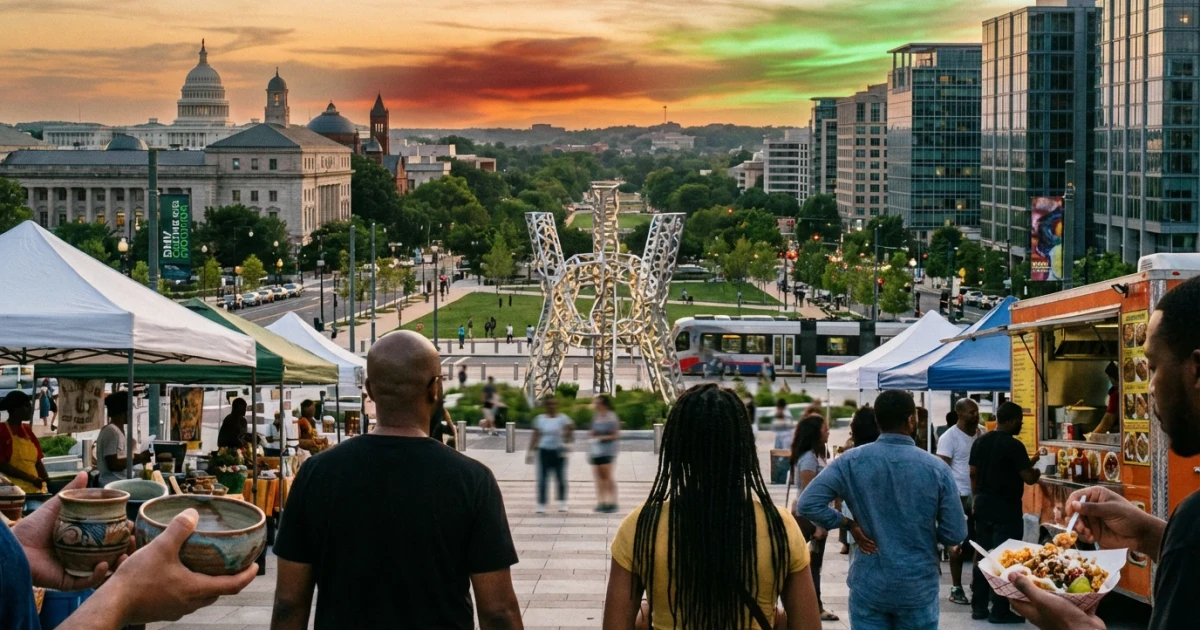
The Washington, DC metropolitan area—encompassing the District, Maryland, and Virginia (DMV)—is experiencing a dynamic transformation in cultural events and lifestyle trends. As 2026 approaches, the region’s evolving demographics, expanding event calendar, and robust arts communities are shaping a unique metropolitan experience for residents and visitors alike.
Population Growth and Demographic Shifts
The DMV continues to attract new residents, driven by government, technology, and nonprofit jobs. According to the U.S. Census Bureau, the region’s population is becoming increasingly diverse, with significant growth in Hispanic, Asian, and African American communities. This diversity fuels a vibrant cultural scene, influencing everything from food festivals to music events and community gatherings.
Expanding Cultural Event Calendar
The District remains a hub for nationally recognized events, with the District of Columbia Special Events Calendar highlighting a packed schedule of parades, festivals, and city-sponsored celebrations. Major annual events include:
- The National Cherry Blossom Festival, drawing hundreds of thousands each spring
- Smithsonian Folklife Festival, showcasing international cultures on the National Mall
- Capital Pride, one of the largest LGBTQ+ events in the country
- H Street Festival and Passport DC, celebrating the city’s neighborhoods and embassies
These events, supported by local government and organizations like Cultural Tourism DC, not only foster community engagement but also have a measurable economic impact on the region.
Arts, Culture, and Economic Impact
The DMV’s arts sector is a significant driver of economic activity. Data from Americans for the Arts highlight the region’s thousands of cultural organizations, museums, theaters, and galleries. In 2024, the sector supported tens of thousands of jobs and contributed billions in audience and organizational spending. The New England Foundation for the Arts (NEFA) further notes that the metro’s arts and culture industry is one of the fastest-growing in the nation, reflecting strong public and private investment.
Transportation and Accessibility
Accessibility remains a key factor in the DMV’s cultural vibrancy. The WMATA 2023 Metro Facts report shows that the Metro system enables millions of annual trips, connecting communities with major event venues and historic sites. Continued investments in transit infrastructure are expected to support further growth in attendance at cultural events throughout the region.
Lifestyle Trends: Housing, Recreation, and Community
Changes in the housing market, as detailed by the Urban Institute, are also shaping lifestyle trends. Rising housing costs and a competitive rental market are influencing where people live and how they engage with regional amenities. Despite these challenges, the area’s extensive parks and historic sites—catalogued by the National Park Service—remain popular destinations for recreation and community events, offering residents vital green spaces and gathering points.
Looking Ahead
The future of the DMV’s cultural landscape is bright, marked by a deepening appreciation for diversity, innovation in event programming, and ongoing investment in arts and infrastructure. As the region continues to grow and change, its blend of tradition and modernity offers a compelling model for metropolitan cultural life nationwide.