Lifestyle
Cultural Food Habits Linked to Aging Grace in France and Japan
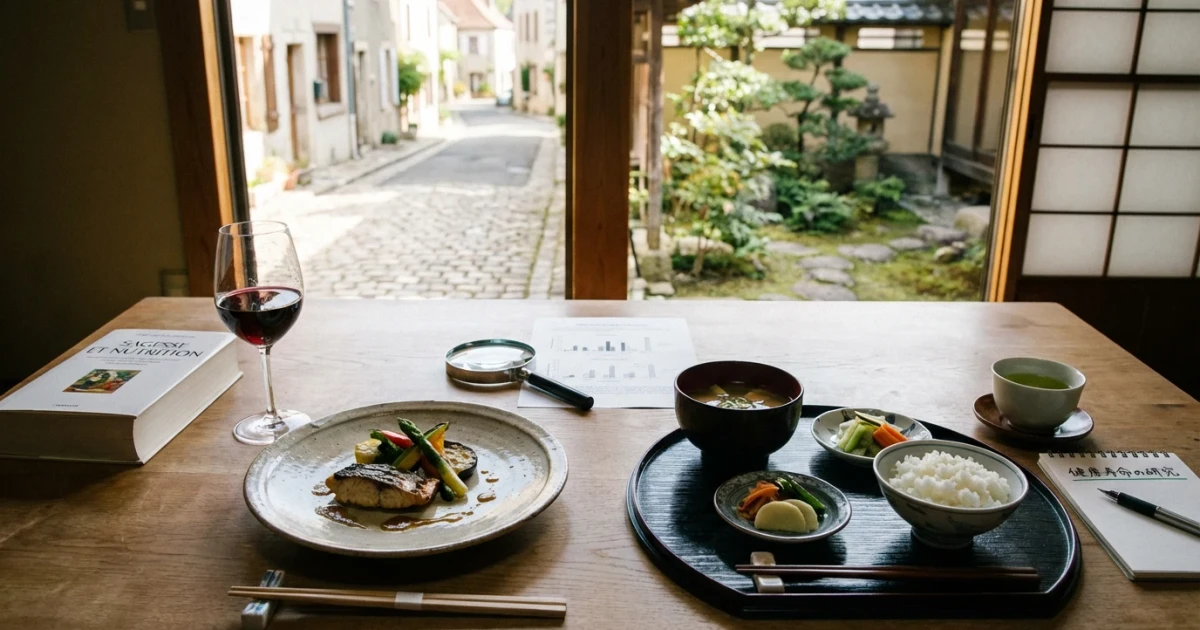
New research suggests that the reason French and Japanese women often appear to age more gracefully than their American counterparts may lie less in genetics or healthcare, and more in cultural food habits. Experts point to mindful approaches to eating in France and Japan as key contributors to better health and longevity.
Mindful Eating: A Cultural Cornerstone
The concept of mindful eating—paying close attention to the experience of eating and savoring food—plays a significant role in both French and Japanese cultures. In contrast, studies highlight that many Americans eat on the go, consume larger portions, and are less likely to make mealtimes a dedicated ritual. According to VegOut, this difference in food-related habits, rather than genetic or healthcare advantages, is a primary factor in how women in France and Japan age compared to those in the United States.
- French and Japanese diets emphasize smaller portions, balanced meals, and taking time to enjoy food.
- American eating patterns often revolve around convenience, speed, and processed foods, leading to higher caloric intake and less nutrient diversity.
Health Outcomes: The Numbers Tell the Story
Data from the OECD and the CDC reveal significant differences in health outcomes linked to these cultural practices:
- Japan has one of the world’s highest life expectancies, with Japanese women averaging over 87 years.
- France also boasts high life expectancy and lower obesity rates compared to the United States.
- The U.S. has higher rates of obesity and related chronic conditions, which are linked to dietary patterns and portion sizes.
The Science Behind the Habit
According to research published by the National Center for Biotechnology Information, the Japanese diet is characterized by a wide variety of foods, low saturated fat, and high intake of vegetables, fish, and fermented foods. Similarly, the so-called ‘French Paradox’ describes how the French maintain low rates of coronary heart disease despite a diet relatively high in fats, largely attributed to eating patterns that prioritize quality, moderation, and enjoyment.
Both cultures also tend to avoid the extremes of restrictive dieting, instead focusing on savoring modest portions and making meals a social occasion. This encourages not only better nutrient absorption but also psychological satisfaction, which may reduce overeating.
Implications for American Dietary Habits
While the U.S. has made strides in health education, the prevalence of processed foods and oversized portions remains a challenge. Data from Our World in Data shows that the American diet is higher in sugar and processed carbohydrates, and lower in whole foods, compared to both France and Japan.
Experts suggest that adopting mindful eating practices—such as making time for regular meals, focusing on variety, and eating without distractions—could help Americans reduce chronic disease risk and potentially age more healthily.
What Sets French and Japanese Mealtimes Apart?
- Meals are often seen as a time for relaxation and connection, not just nutrition.
- There is less emphasis on dieting and more on enjoying a balanced, pleasurable meal.
- Portion control and food quality are prioritized over quantity.
Conclusion: More Than Just Food Choices
While genetics and healthcare access do play roles in lifespan and health, the evidence points to the cultural approach to eating in France and Japan as a significant factor in healthy aging. Americans interested in these benefits may find value in adopting mindful eating habits and rethinking mealtime as more than just a necessity.