Lifestyle
Cultural Norms Shape Men's Friendships and Loneliness
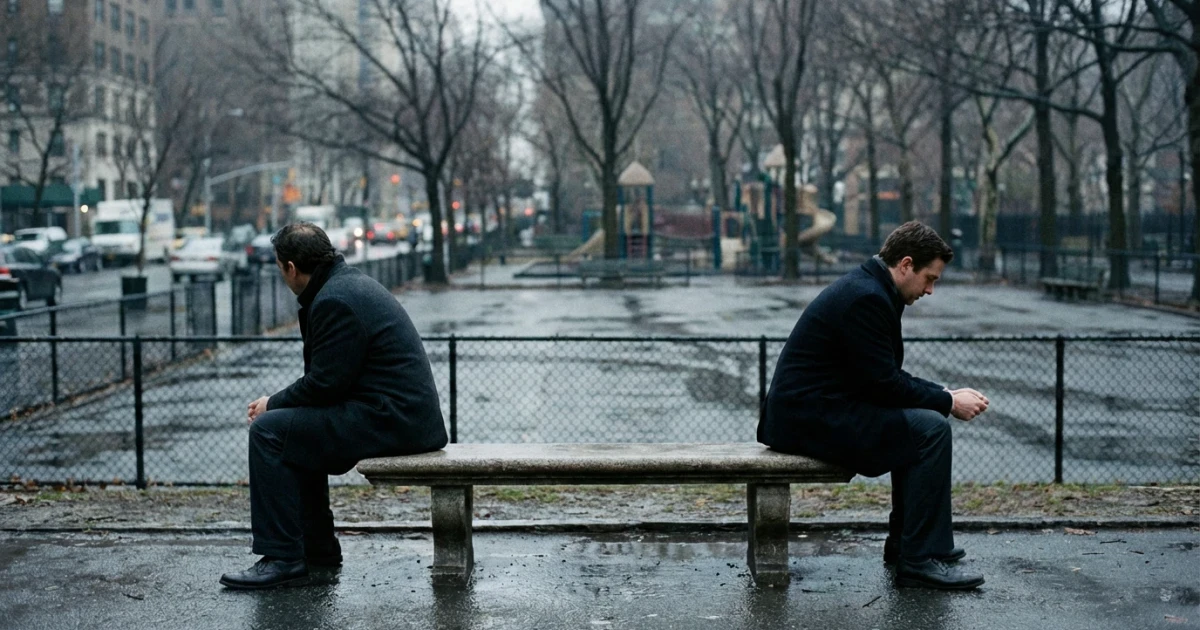
Many men in the United States report having few or no close friends, a trend rooted not in social ineptitude but in longstanding cultural norms about masculinity and vulnerability. Recent psychological research and social surveys suggest that the challenge for men is less about their ability to form friendships and more about the social messages they have internalized from a young age.
The Role of Socialization in Male Friendships
Psychologists and sociologists widely agree that men are often raised to believe that emotional openness with other men is a sign of weakness, discouraging the deep connections that underpin close friendships. As highlighted by VegOut, this conditioning means that by the time many men recognize the value of vulnerability, their social circles have often dispersed due to life transitions such as careers, family obligations, or relocation.
This perspective is supported by the Pew Research Center, which found that men are less likely than women to say they have a best friend outside their family and are less comfortable expressing emotional support. In fact, survey data show that American men are significantly more likely to say they have zero close friends compared to women.
Statistics on Male Loneliness
- According to the latest Statista data, 15% of men in the U.S. reported having no close friends, compared to just 10% of women.
- The CDC’s National Health Statistics Reports indicate that men, especially those aged 35 to 54, experience higher rates of social isolation than women in the same age group.
These findings are echoed in a review published by the National Institutes of Health, which links male loneliness to increased risks of mental health challenges and poorer life satisfaction, particularly among those who struggle to form or maintain close friendships.
Masculinity Norms and Vulnerability
Research compiled in the American Psychological Association’s Monitor emphasizes that traditional masculinity norms—such as emphasizing self-reliance and emotional restraint—can inhibit men from seeking or offering the emotional support that builds lasting bonds. Qualitative studies, including those summarized in the Journal of Men’s Studies, show that when men do attempt to express vulnerability, they often fear ridicule or rejection, which reinforces emotional distance.
The Long-Term Impact
By adulthood, many men realize the cost of these social norms: fewer close friendships and greater loneliness. Experts note that this isolation can intensify as life responsibilities increase or as men move away from the peer groups they once relied on for companionship. The Boys and Men Project catalogues research showing that men who lack strong friendships are at higher risk for depression, substance abuse, and even physical health problems.
Is Change Possible?
While these patterns are deeply ingrained, awareness is growing. Mental health professionals and advocacy groups are encouraging men to challenge the stigma around vulnerability and to seek out new connections, even later in life. Programs focused on social skills, emotional literacy, and peer support are increasingly available, helping men build the friendships they may have missed earlier.
Ultimately, experts agree that fostering close male friendships is not about fixing men’s social skills but about reshaping the cultural expectations that keep men emotionally distant. As society continues to evolve, so too may the prospects for men’s emotional well-being and social connection.