Technology
Culture Drives Growth in Rural Innovation Ecosystems
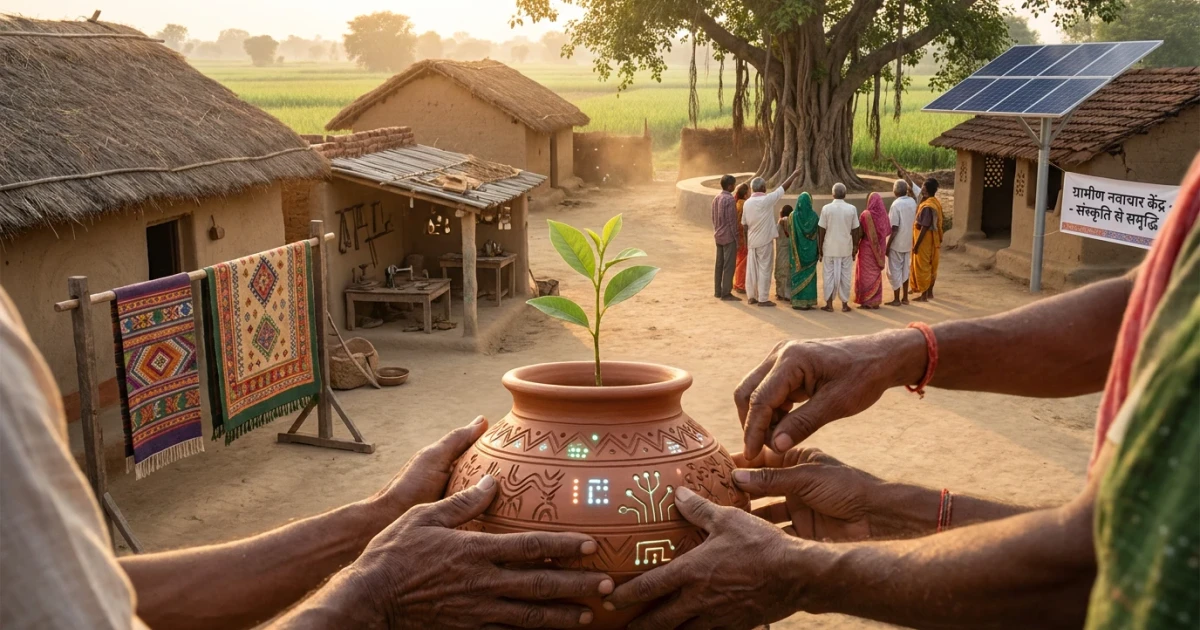
As India intensifies its efforts to nurture rural innovation, thought leaders stress that building a sustainable ecosystem goes far beyond infrastructure and funding—culture is at the heart of lasting impact on entrepreneurship and development in rural regions.
The Role of Culture in Rural Innovation
Phani Sama, co-founder of Kakatiya Sandbox, emphasized in The Indian Express that a region’s culture—its values, mindset, and social fabric—forms the foundation for any thriving rural innovation ecosystem. Sama, who has been instrumental in developing entrepreneurial initiatives in Telangana, noted that infrastructural support or government schemes alone cannot spark meaningful and sustainable innovation unless they are rooted in the local context.
According to Sama, fostering a culture that encourages experimentation, risk-taking, and collaborative learning is essential for rural communities to adopt new technologies, launch startups, or scale grassroots solutions. The Indian Express reported that Kakatiya Sandbox’s success is closely tied to its community-driven approach, where local leaders and youth take ownership of innovation projects, making adoption more organic and resilient.
Government Support and Program Outcomes
India’s government has introduced several schemes supporting rural startups, skill development, and entrepreneurship. These initiatives, detailed in the Ministry of Rural Development’s Annual Report 2022-23, include targeted funding, training programs, and mentorship networks designed to help rural innovators overcome barriers such as limited market access, resources, and technical know-how.
- Over 20,000 rural startups have benefited from government-backed programs in the past year, according to official data.
- The Ministry of Skill Development and Entrepreneurship reports that rural entrepreneurship training initiatives have reached more than 1.5 million youth since inception.
However, as Sama highlighted, program success often hinges on how well these interventions are adapted to local values and priorities. Rural communities with high social capital and openness to change have shown greater uptake of innovation and entrepreneurship, while others may struggle without cultural alignment.
Building Strong Ecosystems: The Kakatiya Sandbox Model
Kakatiya Sandbox, operating in Telangana, serves as a model for community-centric innovation. By engaging local stakeholders, schools, and grassroots organizations, the Sandbox fosters a culture where experimentation is valued and failure is seen as a learning opportunity. This approach not only attracts outside investment but also ensures that solutions are relevant and scalable within the community.
The India Innovation Index 2021 supports this view, identifying cultural factors such as trust, leadership, and collaboration as key drivers for the success of rural innovation clusters. Regions investing in both tangible assets (like maker spaces and incubators) and intangible ones (like mentorship and peer networks) outperform those relying on infrastructure alone.
Challenges and Opportunities Ahead
Despite progress, rural innovators still face hurdles—including access to capital, skilled talent, and market linkages. But as Sama and others point out, strengthening cultural foundations can make communities more resilient and adaptive. Programs that blend government support with locally-rooted leadership are more likely to unlock potential and deliver broad-based growth.
As India seeks to scale rural innovation, stakeholders must ensure that policy, investment, and program design are tailored to community contexts, building trust and empowering local actors. The success of models like Kakatiya Sandbox suggests that partnerships grounded in local culture will be crucial for sustaining innovation-led transformation in rural India.