Science
Curiosity finds evidence of ancient sandstorm on Mars
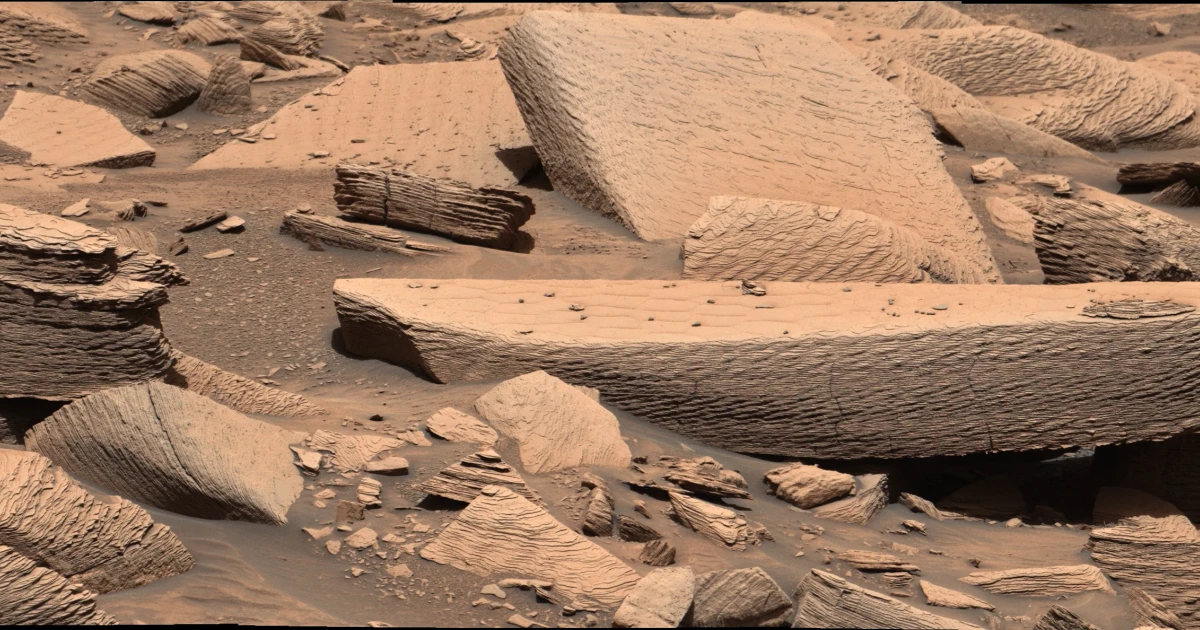
NASA said Curiosity has found evidence of an ancient sandstorm preserved in rocks at Gale Crater, a finding that pushes scientists to rethink Mars as a planet shaped by strong winds, shifting sand and a changing atmosphere. The clue came from the rover’s long-running work on the lower slopes of Mount Sharp, where layered rocks and sediments have kept a record of the planet’s past.
The preserved wind-ripple structures are especially important because they date to about 3.5 billion years ago, when Mars was more habitable than it is today. Science described the ripples as potentially the first direct evidence that Mars once had a thick atmosphere, and that matters because modern Mars has a thin atmosphere that would not easily build or preserve such features. The ancient patterns suggest winds powerful enough to move large amounts of sand across the surface, leaving behind a geologic signature scientists can still read today.
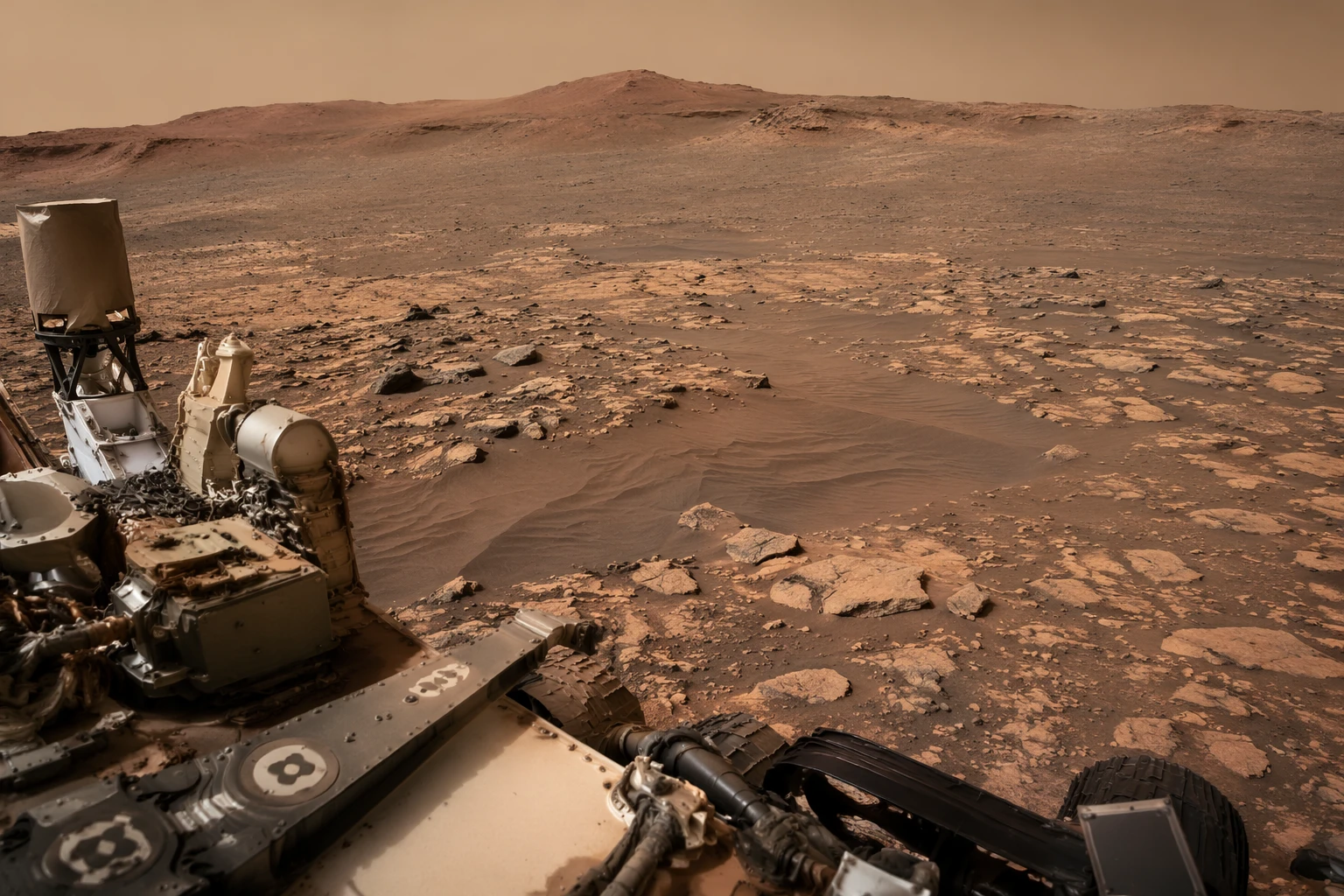
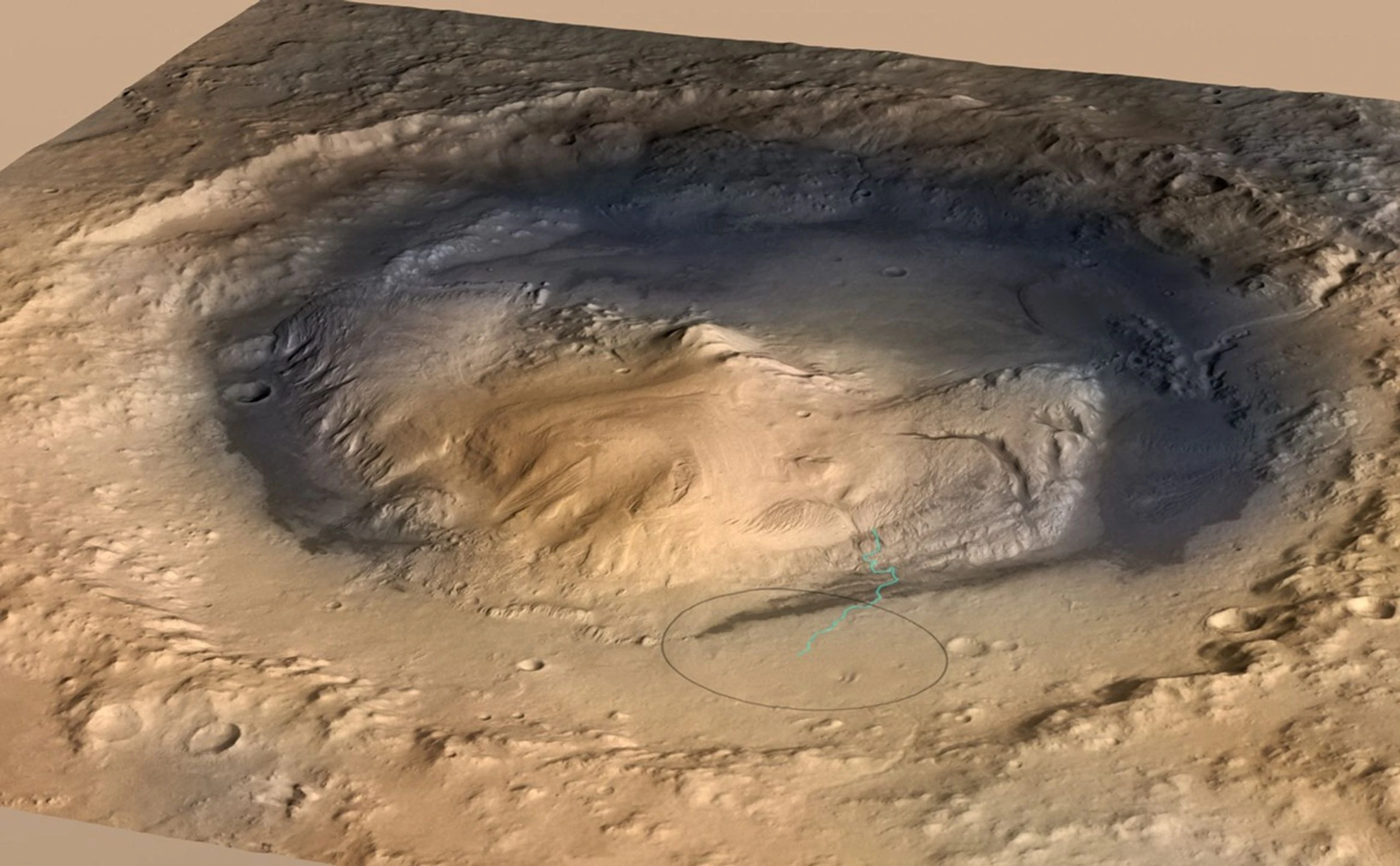
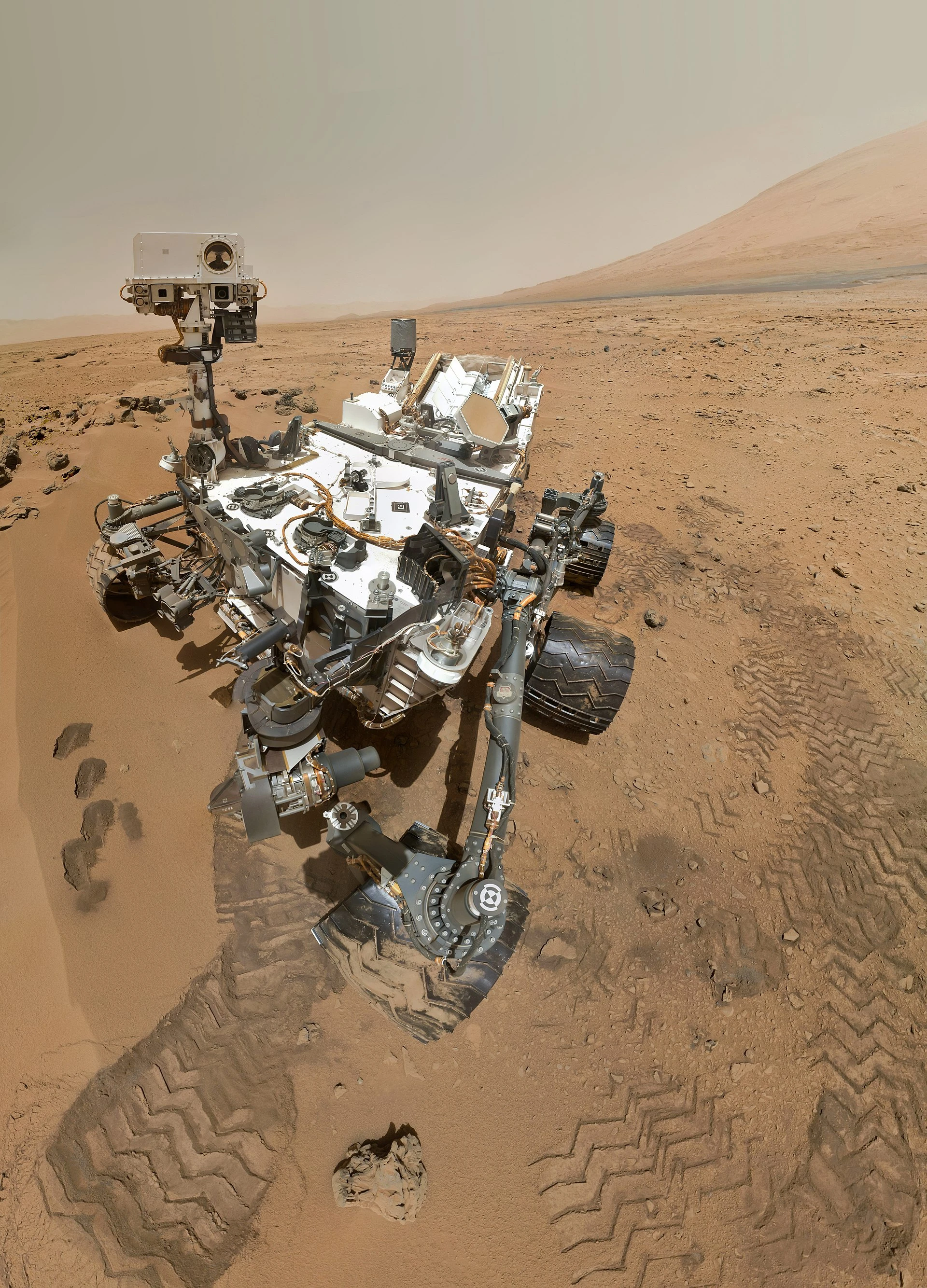
Curiosity landed in Gale Crater on the evening of August 5, 2012, PDT, and the morning of August 6, 2012, EDT, after NASA selected the site because a lake once formed there before Mars’ climate changed. The mission was built to answer whether Mars was ever favorable for ancient life, and the rover has continued to deliver on that mandate more than a decade later. In 2018, it found ancient organic molecules in sedimentary rocks in Gale Crater, adding another layer to the case that the crater preserves a deep environmental history.
The new sandstorm evidence also fits into the larger picture of Mars as a planet that still changes. NASA’s own dust-storm records note that Mars experienced a planet-encircling dust event in 2018 after a global storm was classified on June 19 of that year. The ancient ripples show that the same broad forces of wind and dust were already at work billions of years ago, when the planet’s climate, atmosphere and surface processes were very different from the frozen world seen now. Curiosity’s continued survey of Mount Sharp keeps turning those layers into a timeline of Martian climate evolution, one preserved storm at a time.
Sources
- [1]science.nasa.gov
- [2]jpl.nasa.gov
- [3]earthsky.org
- [4]science.org
- [5]eos.org
- [6]nasa.gov