Science
Curiosity Rover Overcomes Drill Stuck on Mars
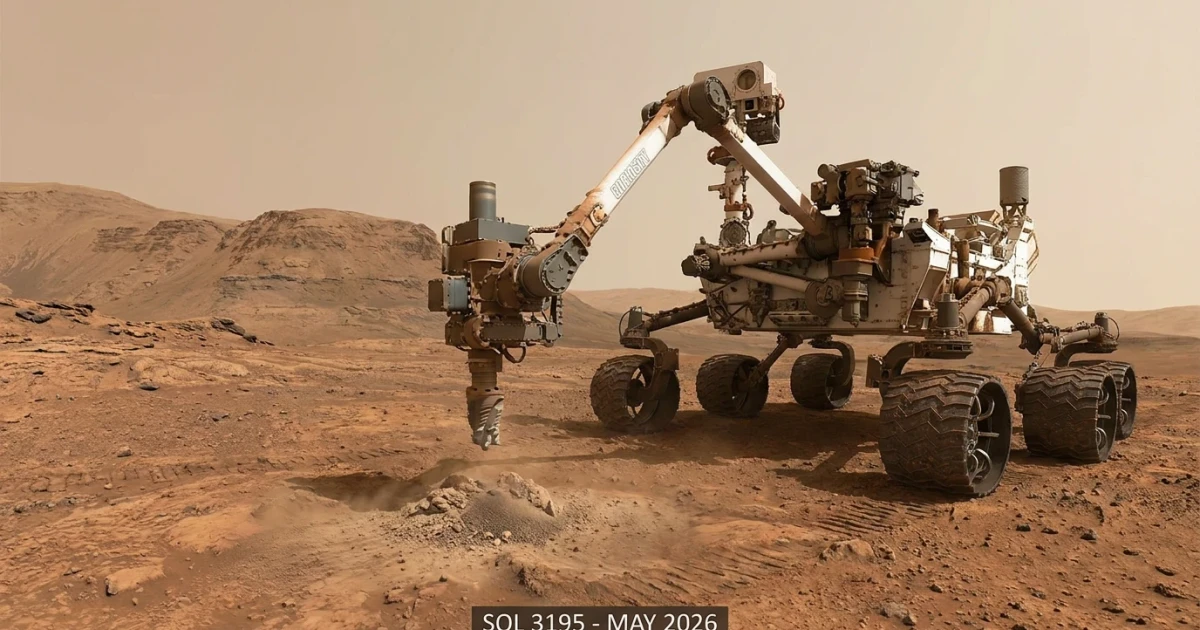
NASA’s Curiosity rover faced a significant engineering challenge when its drill became lodged in a Martian rock, threatening to hamper ongoing science operations. After a period of careful analysis and remote troubleshooting, the rover team successfully freed the drill, allowing Curiosity to resume its exploration of the Red Planet. The incident underscores both the technical hurdles of extraterrestrial robotics and the resilience of the mission team.
Drill Becomes Stuck During Mars Science Operations
The Curiosity rover has been studying Mars since its landing in 2012, using a suite of scientific instruments—including a complex drill system designed to collect rock samples from the planet’s surface. According to Engadget, the rover’s drill became stuck in a rock during a recent sampling attempt, temporarily pausing science operations. This type of setback is not uncommon in planetary exploration, as the unpredictable nature of Martian geology can present unexpected obstacles.
Curiosity’s drill system is a critical tool for analyzing the planet’s composition and searching for clues about Mars’ past habitability. When the drill became lodged, engineers at NASA’s Jet Propulsion Laboratory initiated a series of diagnostic tests to assess the situation and prevent further damage to the rover.
Remote Troubleshooting and Recovery
NASA’s mission team faced the challenge of operating remotely, with signals between Earth and Mars taking between 4 and 24 minutes one way. Engineers relied on telemetry data and imagery to diagnose the problem and devise a solution. Drawing on their extensive experience with previous drill issues, the team carefully executed a series of maneuvers to retract the drill and clear any obstructions.
- Curiosity's data archives document each drill attempt and recovery step, providing valuable engineering insights and scientific context.
- Operational logs from the mission status updates confirm that the drill was freed without permanent damage to the instrument.
- Past recoveries from stuck mechanisms have informed the rover team’s adaptive procedures, reducing risk for future operations.
Why the Drill Matters to Mars Science
The recovery of Curiosity’s drill is vital to ongoing science goals. Drilling into rocks allows the rover to analyze powdered samples with its onboard laboratory, searching for signs of ancient water activity and organic molecules. These findings are documented in the USGS Mars Curiosity Rover Science Data, which offers detailed maps and geological reports that are continually updated as new samples are collected.
By overcoming this mechanical setback, Curiosity can continue its exploration of the Gale Crater, adding to the mission’s more than 30 kilometers of traverse distance and hundreds of rock samples collected to date.
Looking Ahead: Engineering Resilience on Mars
Incidents like the stuck drill highlight the unpredictable and challenging nature of robotic planetary science. Each recovery not only restores scientific capability but also provides invaluable lessons for future missions. As Curiosity continues its journey, the mission serves as a testament to the adaptability of both the hardware and the engineers guiding it from millions of miles away.
For those interested in the technical details and the latest updates, NASA’s official Curiosity Rover Status page provides ongoing reports, while the MSL Data Archives offer access to scientific data collected during and after the incident.
With its drill once again operational, Curiosity remains a cornerstone of Mars exploration, paving the way for future discoveries and missions to the Red Planet.