Science
Curiosity Rover Overcomes Six-Day Martian Rock Obstacle
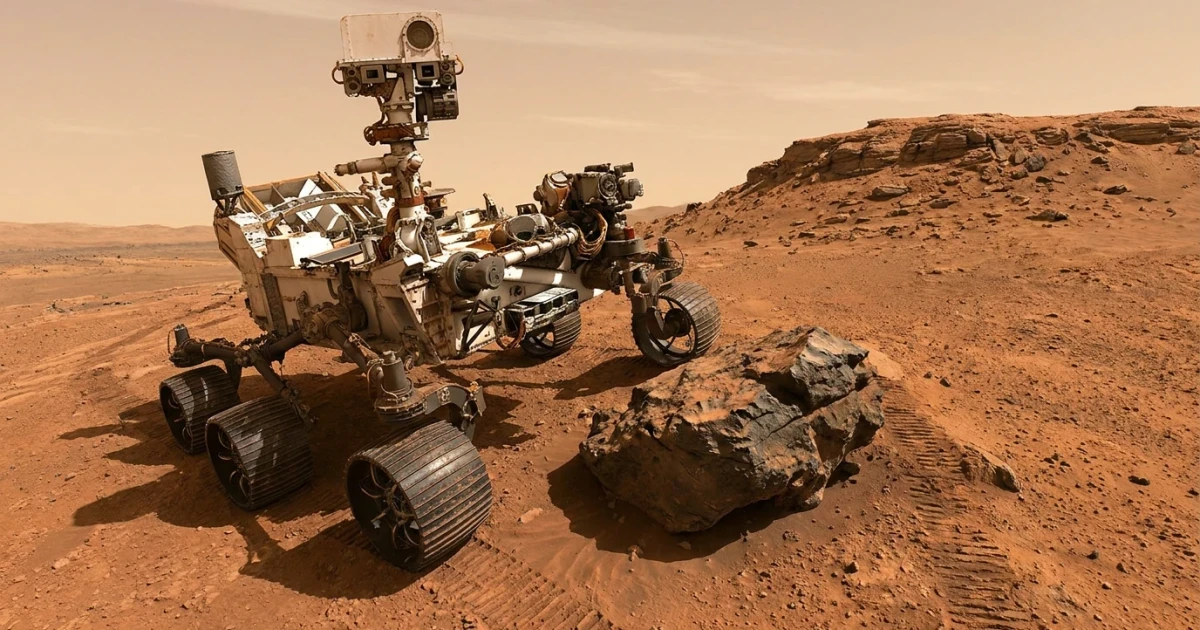
NASA’s Curiosity rover recently faced a formidable challenge on Mars, spending six days stalled by a 29-pound rock that lodged in its drilling mechanism. The incident, which drew attention across planetary science circles, underscores the unpredictable hazards of robotic exploration on the Red Planet.
Unexpected Encounter with Martian Rock
According to Space, Curiosity was conducting a routine drilling operation when it inadvertently engaged a rock far larger than anticipated. This massive 29-pound obstacle jammed the rover’s drill, immobilizing the instrument and preventing further movement or sampling for nearly a week. Engineers monitoring the rover’s official mission updates noted that the event was one of the most significant operational interruptions encountered during Curiosity’s ongoing mission.
Technical Challenges and Response
The rover’s drill system, designed to penetrate and collect samples from Martian rocks, relies on a combination of mechanical force and precision. The unexpected size and weight of the rock exceeded the system’s standard parameters, triggering safety protocols and an immediate halt to drilling activities. NASA engineers worked remotely, analyzing data from the rover’s data archive and troubleshooting via software commands to determine the best course of action.
- Six days were spent assessing the situation and attempting multiple recovery maneuvers.
- Diagnostic tests confirmed that the drill was undamaged, but removal of the rock required careful step-by-step procedures.
- Teams leveraged the rover’s onboard cameras and instrument logs, visible in the activity browser, to guide their efforts.
Successful Recovery and Lessons Learned
After six days of methodical problem-solving, NASA’s team successfully freed the drill from the rock and restored Curiosity’s operational capabilities. The rover resumed its scientific activities, continuing to study the geology of Mars and search for signs of ancient habitability. This episode highlights the importance of robust engineering and remote troubleshooting protocols when operating in distant, unpredictable environments.
Curiosity’s drill, as described in NASA’s technical explainer, is built to withstand a variety of challenges, but encounters with exceptionally large or dense rocks remain rare. The mission team has since updated their procedures to better anticipate and avoid similar obstacles in the future.
Broader Impact on Mars Exploration
This incident serves as a reminder of the complex realities facing robotic explorers on Mars. While Curiosity’s recovery demonstrates the resilience of current technology, it also informs future mission planning, particularly for upcoming rovers and landers that may face even harsher terrain.
As Curiosity continues its journey, the lessons learned from this six-day standoff with a Martian rock will shape both operational strategies and the ongoing quest to unlock the secrets of Mars’s surface. For more detailed logs and scientific data about Curiosity’s activities, readers can explore the Mars Science Laboratory data archive and interactive activity browser.
Conclusion: The Curiosity rover’s experience with a 29-pound Martian rock is a testament to the challenges and ingenuity required in space exploration. As NASA adapts its protocols and continues to innovate, each mission brings new insights into the complexities of operating on another planet, paving the way for more robust future exploration.