Business
Custard Apples Show Remarkable Resilience in Harsh Climates
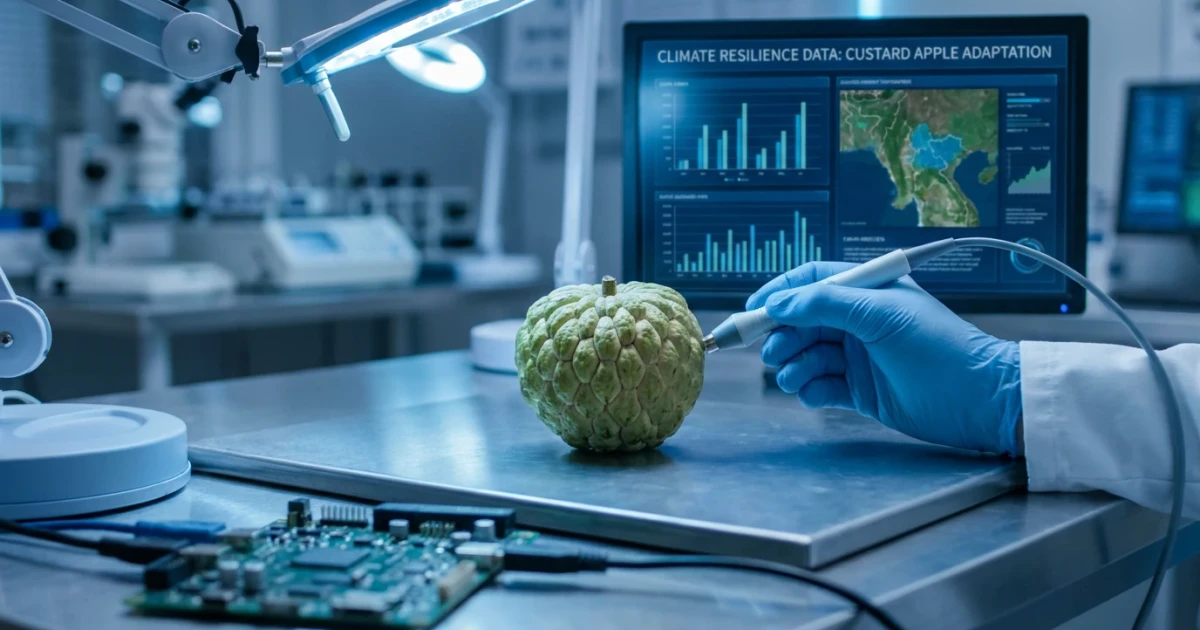
Custard apples, long valued in tropical regions, are increasingly recognized as one of the most resilient fruit crops, particularly in the face of harsh climate conditions. As global agriculture contends with rising temperatures and unpredictable rainfall, the custard apple stands out for its adaptability and promise for farmers in tough environments.
Why Custard Apples Are Built for Tough Conditions
The custard apple (Annona squamosa) is native to the Americas but now widely cultivated across Asia, Africa, and Australia. Its ability to survive and even thrive in drought-prone and nutrient-poor soils has made it an increasingly attractive option in climate-stressed regions. According to the BBC, the crop's deep root system and physiological adaptations help it withstand long dry spells better than many other fruit trees.
- Custard apples require less water compared to mangoes and citrus, making them viable where irrigation is limited.
- The trees tolerate poor, rocky, or sandy soils, expanding the range of arable land.
- They remain productive even in regions with low annual rainfall.
These traits are supported by the Indian Council of Agricultural Research, which notes that custard apple varieties can yield fruit under conditions that would stress or kill more sensitive crops.
Growing Popularity Among Farmers
Farmers in countries like India and Australia have increasingly turned to custard apples as a safeguard against crop failure. In India, states such as Maharashtra and Andhra Pradesh have seen a steady rise in custard apple acreage and production over the past decade. BBC highlights that for smallholder farmers, custard apples provide a reliable income where other fruit trees struggle to survive.
The Western Australia Department of Primary Industries’ growing guide explains that the crop’s resilience also reduces input costs for water and fertiliser, making it particularly appealing for those with limited resources. As a low-maintenance option, it requires minimal pest management and can be intercropped with other drought-tolerant plants.
Economic and Nutritional Impact
The custard apple’s economic value extends beyond its durability. The fruit is prized in markets for its sweet, creamy pulp, used in desserts, juices, and traditional medicines. According to research published in the International Journal of Fruit Science, custard apples are a rich source of vitamin C, dietary fiber, and antioxidants, contributing not just to farm incomes but also to improved local nutrition.
- Custard apple yields can average 8–10 tonnes per hectare under optimal management.
- The crop is harvested in the rainy season, often providing income when other fruits are out of season.
- It is commonly grown without synthetic chemicals, appealing to organic and health-conscious consumers.
Challenges and Future Prospects
Despite its hardiness, custard apple production faces some challenges. The fruit is highly perishable, creating hurdles in post-harvest handling and distant marketing. Pests such as mealybugs and fruit borers can affect yields if not properly managed. However, ongoing research by agricultural institutes is focused on developing improved varieties with longer shelf life and better pest resistance.
With climate change expected to heighten the frequency of droughts and heatwaves, experts suggest that custard apple cultivation could expand significantly in the coming years. As the BBC reports, the crop’s resilience offers a lifeline for farmers in marginal areas and a potential model for climate-smart agriculture worldwide.
Conclusion
The custard apple’s unique combination of drought tolerance, economic viability, and nutritional value underscores its importance in the future of sustainable farming. As more growers and policymakers recognize its strengths, custard apples are set to play a crucial role in food security for vulnerable regions facing an uncertain climate.