Technology
Cybersecurity leaders urge White House to lift Anthropic model export curbs

Cybersecurity leaders are pressing the White House to reverse export curbs on Anthropic’s most powerful security models, arguing that the limits will weaken the people trying to defend U.S. systems, not the attackers probing them. Their letter had 76 signatures by Monday morning and drew support from chief information security officers, security researchers, venture capitalists and executives at Nvidia, Adobe, Zoom and Sophos.
The dispute began after the U.S. government issued a directive on June 12 ordering Anthropic to suspend access to Fable 5 and Mythos 5 for any foreign national, whether inside or outside the United States. Anthropic said it complied by disabling access to both models for all customers globally rather than trying to build nationality-based filters on the fly. The order also covered foreign-national Anthropic employees.
Anthropic has said Mythos 5 is its most capable model for cybersecurity and biology research, while Fable 5 is the public, limited version of that system. The company has also said the models can work autonomously for longer than any previous Claude models, a capability that makes them especially relevant for security work such as finding software vulnerabilities, testing hardening measures and automating defensive analysis across large codebases.
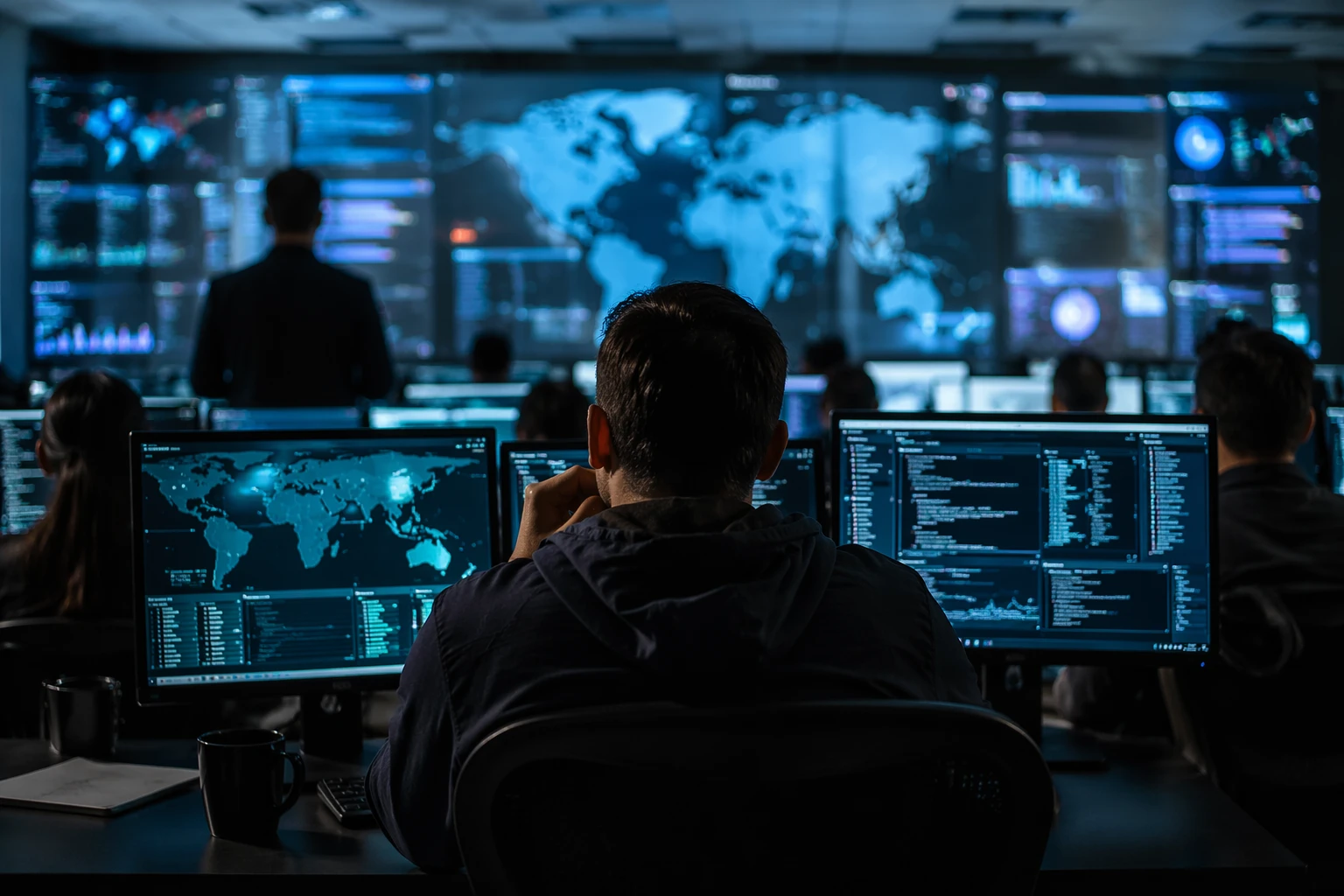
That is exactly where the split inside the tech and cyber world has emerged. The signers of the letter say restricting the most capable security-focused models will hurt defenders more than attackers, because the tools can accelerate vulnerability discovery and improve software hardening before hostile actors exploit flaws. Supporters of the curbs see the same technology through a national-security lens, arguing that frontier AI should not be broadly accessible without tighter controls.
The fight comes as the Trump administration has moved toward a tougher AI-security posture. On June 2, the administration issued an executive order seeking government review of frontier AI models before public release, and the White House is also preparing to ask leading AI firms to voluntarily submit their most capable systems for cybersecurity testing. Anthropic itself has previously argued in a 2025 policy filing that stronger export controls on advanced AI chips and model weights are essential to U.S. AI leadership and national security.

That leaves Anthropic in a sharp policy bind: the company has warned for years that export controls matter, while now arguing that the latest restrictions go too far. Its own access rules have become stricter as well, with limits on where its products can be sold and who can use them, underscoring how advanced model access has become a geopolitical issue. For defenders, the immediate cost is fewer tools. For policymakers, the unresolved question is whether blocking access protects America, or hands an advantage to rivals like China.
Sources
- [1]techcrunch.com
- [2]anthropic.com
- [3]reuters.com
- [4]politico.com