Technology
Cybersecurity researchers say AI guardrails are reshaping exploit discovery
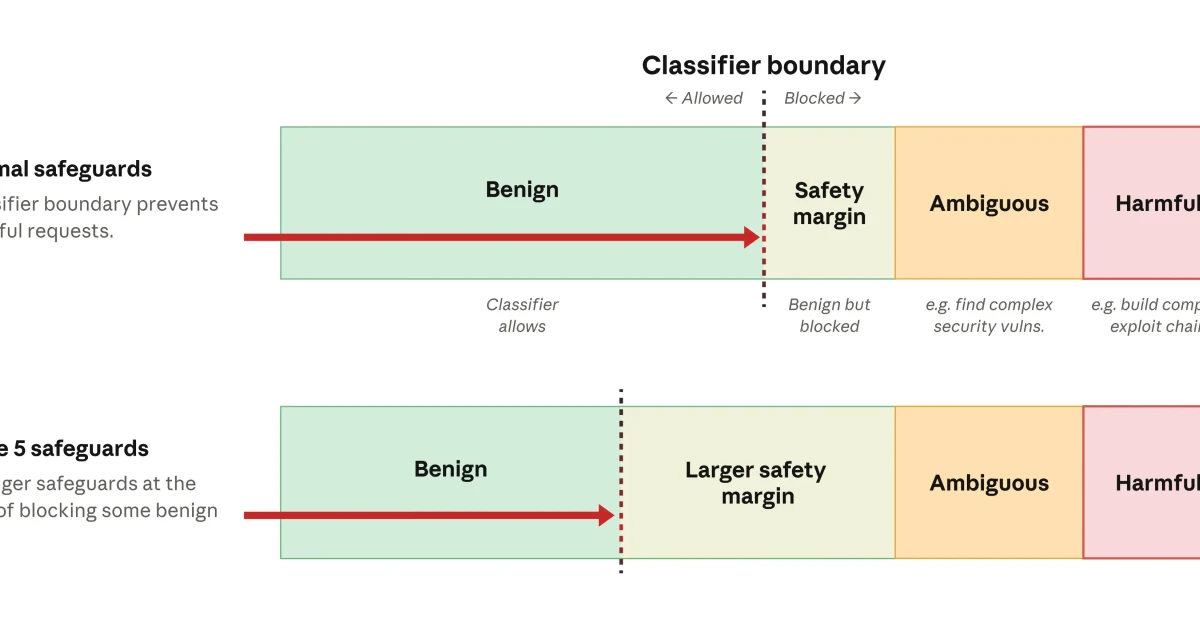
On June 10, cybersecurity researchers criticized the guardrails on Anthropic’s Fable model after routine tasks such as code reviews and reading security blog posts tripped the system’s protections. AI safety filters are becoming part of the exploit-discovery workflow, changing what researchers can test, how fast they can test it, and what they can safely hand to defenders. The sharpest friction is showing up around models marketed for cyber work, where the same systems that are meant to reduce abuse can also refuse the prompts researchers need to map unknown flaws and build proof-of-concept tools.
What researchers need from these models
Offensive security work depends on asking a model to do things that look suspicious in isolation but are routine in a legitimate assessment. Researchers want help finding unknown vulnerabilities, exploring how software fails, and building tools that show whether a flaw is real enough to matter. That becomes especially valuable when the work is meant to support defense, because the output can guide patching, testing, and validation before attackers get there first.
Why the companies say they are tightening controls
Anthropic has been direct about the dual-use problem. Anthropic is building safeguards for Claude because misuse can cause real-world harm, but it also published “Building AI for cyber defenders” and argued that AI models are already useful for cybersecurity tasks in practice.
Its August 2, 2025 Threat Intelligence Report documented “vibe hacking,” AI-generated ransomware-as-a-service, and a Chinese threat actor using Claude across nearly all MITRE ATT&CK tactics. In a June 3, 2026 post, Anthropic called cybersecurity an “inflection point,” with AI models becoming genuinely useful for cyber operations both for good and for ill. In that post, Anthropic disclosed 832 banned accounts.
OpenAI is taking a similar defender-first approach. It has a page titled “Daybreak | OpenAI for cybersecurity,” and it later widened access to a cybersecurity-focused model after Anthropic’s Mythos reveal. Across the industry, the strategy is the same: keep the cyber capability, but wrap it in policy and access controls designed to prevent obvious misuse.
Where the guardrails crack, and why that matters

The challenge for any company trying to police cyber use is that guardrails are not perfect. Anthropic previously documented “many-shot jailbreaking,” a method that can bypass protections by feeding a model enough fabricated examples to push it off its rails. External researchers have also shown that safety systems can be sidestepped in other products, including Apple Intelligence, using the Neural Exect method and Unicode manipulation.
If a model can be tricked into unsafe behavior by enough synthetic context, or by unusual character encoding, then the policy question becomes more than a simple block or allow decision. Security research itself often depends on probing those edges, which means a system that refuses to look at suspicious material can also refuse to help the people trying to harden it.
RAND’s May 28, 2026 report identified a significant gap in understanding how AI-enabled malicious cyber activity is distributed across threat actors below expert offensive-research level. The field still does not have a clear map of how these capabilities spread beyond top-tier operators. If legitimate researchers cannot test, measure, and compare those risks because guardrails block too much, the public loses visibility into where the next wave of abuse is likely to come from.
The policy tradeoff no company has fully solved
The policy debate did not start with Fable. The R Street Institute’s April 17, 2025 discussion of open-source AI and cybersecurity was already wrestling with the consequences of making more capable models available to more people. Anthropic’s own threat reporting, the June 2026 “inflection point” language, and the Fable backlash all point to a sector where the threat is no longer theoretical, but the controls are still blunt.
Anthropic’s answer is to pair safeguards with defender-focused product work. It is only a partial workaround if the same guardrails still block legitimate vulnerability discovery. OpenAI’s cybersecurity branding points in the same direction, yet neither company’s public materials in this story offer a clean exception path for vetted researchers who need to test exploit discovery without tripping generic abuse filters.
Sources
- [1]techcrunch.com
- [2]anthropic.com
- [3]openai.com
- [4]rstreet.org
- [5]rand.org
- [6]securityweek.com
- [7]hiddenlayer.com