Health
Cyclospora outbreak hits record high, officials say produce is still safe

Federal investigators had linked five Cyclospora clusters to produce since May, and the largest was tied to iceberg lettuce in five states. The Food and Drug Administration posted that update as U.S. health agencies tracked a cyclosporiasis outbreak that had become the worst year on record.
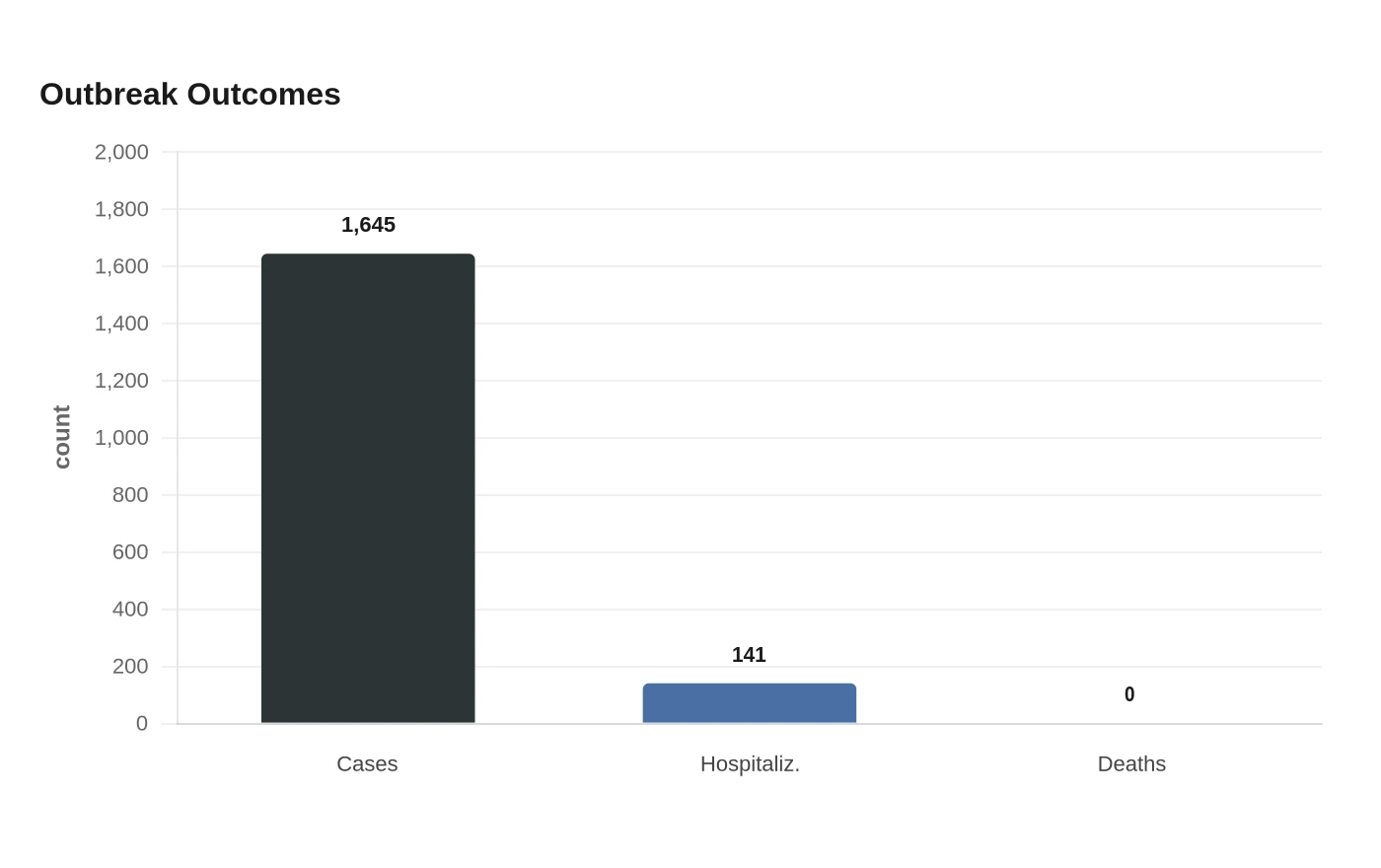
By July 14, federal counts put the outbreak at 1,645 lab-confirmed cases, 141 hospitalizations and no deaths. CDC later said more than 2,500 additional cases had been confirmed, underscoring how quickly the parasitic illness spread across the country this summer.
The public health message has been narrower than the headlines. CDC guidance does not call for avoiding fruits and vegetables altogether. Instead, it says to wash all produce under running water, including items labeled pre-washed, and to use a clean produce brush on firm-skinned fruits and vegetables. Peeling or cooking can also reduce risk. Foods historically linked to Cyclospora outbreaks include lettuce, salad mixes, berries, basil, cilantro, parsley, celery, cabbage and cauliflower.

That distinction matters because cyclosporiasis can be hard to trace. Symptoms often include watery diarrhea and may not appear for about a week after exposure, which can blur the trail between a meal and an illness. CDC surveillance also shows the parasite is seasonal, with cases rising in spring and summer, when imported produce can move through the food supply before investigators identify a cluster.
North Carolina has been one of the hardest-hit states. State health officials said cases were rising in July, and 561 cyclosporiasis infections had been reported since May, including 254 new cases since the previous update on July 14. The North Carolina Department of Health and Human Services said parsley, cilantro and lettuce were the most common foods among reported state cases.
The pattern is not new. A multistate U.S. outbreak in 2013 led to more than 200 cases, and federal investigators have continued to find that Cyclospora outbreaks usually point to specific contaminated produce, not fresh fruits and vegetables in general. That is why the current response has focused on targeted food-safety steps, outbreak-linked foods and sharper traceability, rather than blanket avoidance of produce that remains part of a healthy diet.
Sources
- [1]news.google.com
- [2]cdc.gov
- [3]fda.gov
- [4]reuters.com
- [5]cnn.com
- [6]ncdhhs.gov
- [7]wral.com