Health
Cyclospora outbreak sickens 843 across 31 states, 86 hospitalized
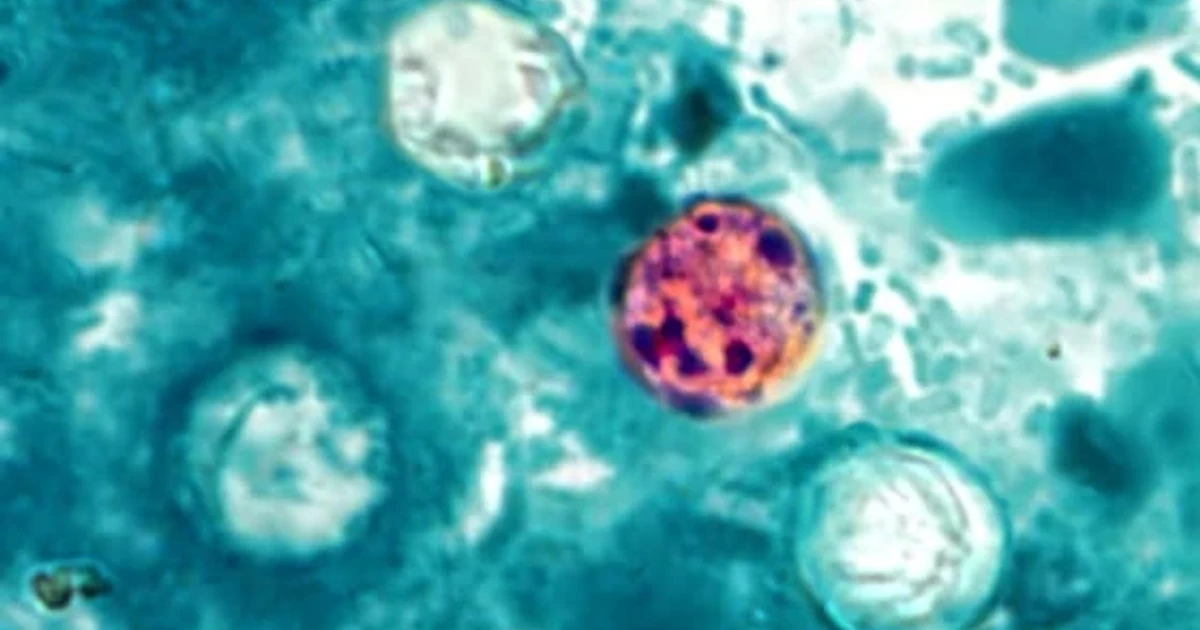
Public health officials still have not pinned the Cyclospora outbreak on a specific produce grower, supplier or salad item, even as the count climbed to 843 confirmed domestic cases across 31 states and 86 hospitalizations. The gap leaves shoppers, grocery chains and restaurants with a warning but no named product to avoid.
The Centers for Disease Control and Prevention said the outbreak season began May 1, 2026, and that as of July 10 it had received reports of 843 confirmed domestic cyclosporiasis cases. The agency is also tracking more than 1,500 additional cases that still need further analysis before they can be confirmed as domestically acquired. No nationwide recall has been announced.

In Michigan, the largest increase has been in Southeast Michigan, where state health officials said case counts remain provisional and may change as interviews continue. The Michigan Department of Health and Human Services said that as of July 5 no specific produce grower, supplier or produce type had been identified as the source. State officials later said the outbreak had grown enough to warrant extra recommendations aimed at preventing foodborne illness tied to fresh produce.
Michigan also said 44 reported cases had been hospitalized as of July 9. That number underscores how quickly cyclosporiasis can move from a contamination mystery to a hospital burden before investigators can narrow the source.
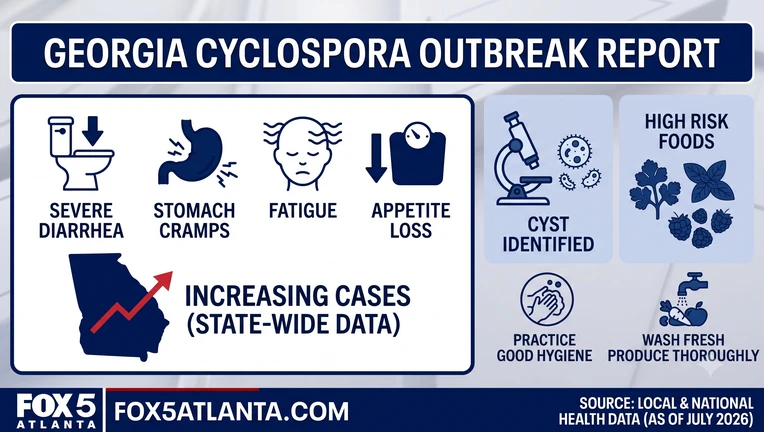
Cyclospora cayetanensis is a microscopic parasite that causes cyclosporiasis, an intestinal infection that often rises in the United States between May 1 and August 31. The CDC says outbreaks have been identified nearly every year since the mid-1990s, and past investigations have tied them to cilantro, basil, lettuce, mixed leafy greens, arugula, baby spinach, berries and bagged salad kits. The pattern helps explain why traceback is so difficult: the parasite can show up in many fresh foods, shipments are often blended from multiple farms, and the same lot may be distributed through long, fast-moving supply chains before a signal is clear.

For retailers and restaurants, the immediate problem is not just what to pull from shelves, but what cannot yet be singled out. Without a confirmed source, food safety teams must keep reviewing suppliers, strengthening produce handling, and watching for illnesses tied to leafy greens and other raw items that are often eaten without a kill step. For consumers, the outbreak is a reminder that a broad warning about lettuce or salad greens can still leave the most important question unanswered: which product, from which source, is actually driving the sickening count.
Sources
- [1]nbcnews.com
- [2]cdc.gov
- [3]michigan.gov