Health
Cyclospora outbreak sickens more than 400 across four states

More than 400 people in Michigan, Ohio, West Virginia and Kentucky had reported Cyclospora infections as of July 13. Sick people began reporting symptoms on or after June 22, and the true number of illnesses is likely higher than the count that has reached public health officials.
Cyclospora causes cyclosporiasis, a gastrointestinal illness that spreads when people eat or drink food or water contaminated with feces. Investigators had not confirmed a specific food source for the multistate outbreak, even as state and federal public health and regulatory partners, including the Food and Drug Administration, continued tracing it.
The parasite does not behave like routine food poisoning. Symptoms usually begin about a week after exposure, but can start as soon as 2 days later or take 2 weeks or more to appear. Illness can last for days to a month or longer without treatment, and diarrhea may disappear and then return. Some infected people may have no symptoms at all, which makes the outbreak easier to spread and harder to trace.
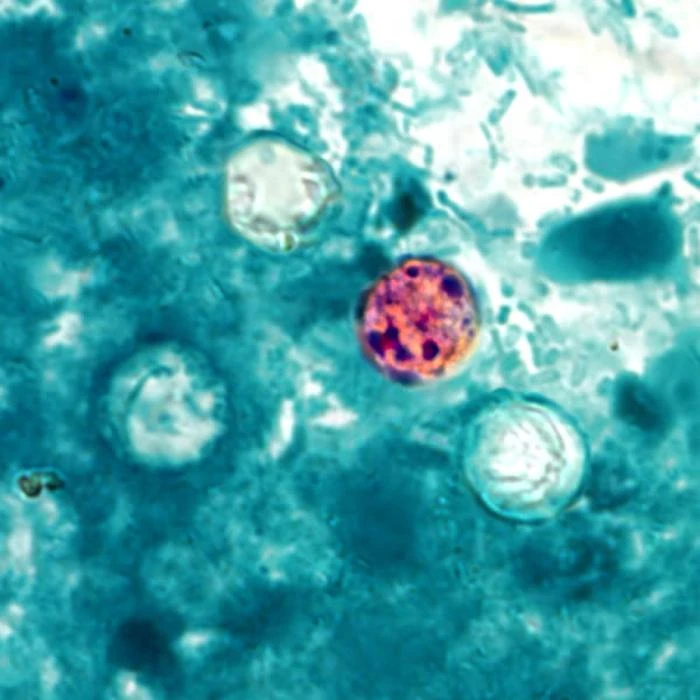
Fresh fruits and vegetables, especially in the United States, have been linked to cyclosporiasis outbreaks, and cases have historically clustered from April to August. Infected people can shed the parasite in their feces, allowing contamination of food, water and the environment when hygiene breaks down. In past recurring cilantro-linked outbreaks, investigators could not identify one supplier, distributor, farm or packing house.
Avoid food or water that may have been contaminated with feces, wash hands, and handle produce safely. Firm fruits and vegetables should be scrubbed with a clean produce brush, damaged areas should be cut away, and cut, peeled or cooked produce should be refrigerated within two hours. People with diarrhea that lasts more than a few days, returns after improving, or is paired with fever, stomach pain, nausea or dehydration should seek medical care, especially when the illness follows travel or fresh produce exposure. The FDA created a Cyclospora Task Force in 2019 and continues to maintain a prevention, response and research plan.
Sources
- [1]nytimes.com
- [2]cdc.gov
- [3]fda.gov
- [4]accessdata.fda.gov