Health
Cyclosporiasis cases rise across the US as produce safety concerns grow

CDC surveillance has identified cyclosporiasis outbreaks nearly every year since the mid-1990s, and most U.S. cases show up in spring and summer. Health officials watch for them year-round because the source is often a shared food.
Where Cyclospora usually comes from
Cyclospora cayetanensis is a microscopic parasite that causes an intestinal illness. In the United States, the most common pattern is not random spread from one sick person to another, but exposure to contaminated food or water, especially fresh fruits and vegetables. Cyclosporiasis has been linked to produce around the world, including in the United States, and infection can also happen during travel outside the country, especially in tropical and subtropical regions.
The parasite’s biology makes the chain of contamination harder to see. Infected people can shed Cyclospora in feces even when they have no symptoms, which can contaminate food, water, and the environment. The parasite does not become infectious until it has spent days to weeks in the environment, which is why direct person-to-person spread is unlikely and why the original source is so often buried somewhere in the path from farm or water source to store shelf.
Why washing produce helps, but only partially
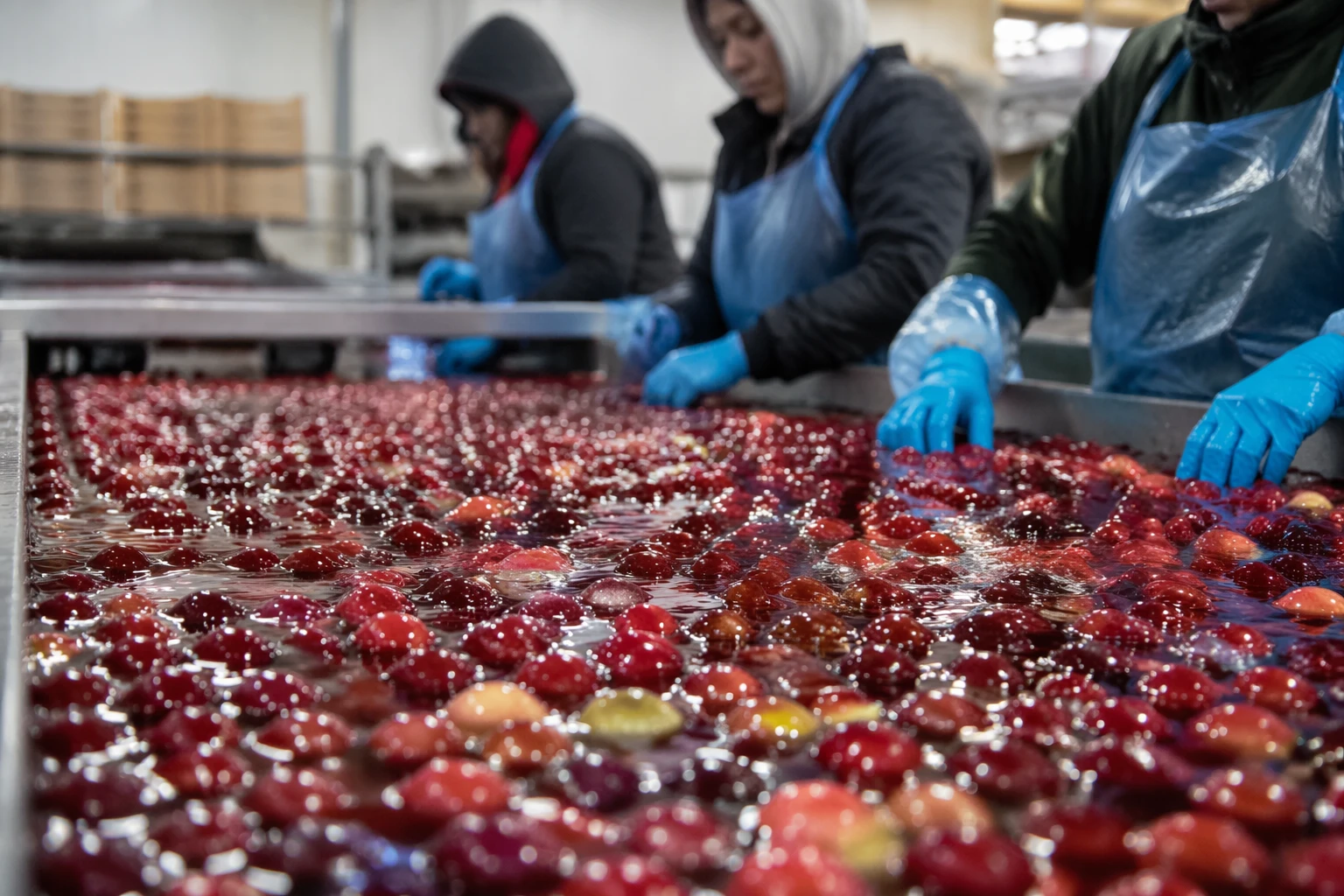
Basic kitchen hygiene still matters, but it cannot do all the work. CDC recommends washing hands, rinsing produce under running water, scrubbing firm fruits and vegetables such as melons and cucumbers with a clean produce brush, cutting away damaged or bruised areas, and refrigerating cut, peeled, or cooked fruits and vegetables within two hours. Those steps can reduce risk in the home, especially on produce with surfaces that can be scrubbed.
They are not a guarantee, because the contamination often happens before food ever gets to a sink. If the parasite has already entered the supply chain through contaminated water, handling, or a field-level exposure, rinsing at home may not remove every infectious particle.
Symptoms can lag, and testing often does too
Cyclospora does not always announce itself right away. Symptoms usually begin about one week after exposure, but they can start as soon as 2 days later or more than 2 weeks later, according to the CDC. That delay can make it difficult to connect illness to a specific meal, market, or trip, especially when the food was eaten days before the first stomach cramps, diarrhea, or other symptoms appear.
Most healthy people eventually recover without treatment, although the illness can be prolonged. The CDC lists trimethoprim-sulfamethoxazole, or TMP-SMX, as the treatment of choice, and there is no vaccine for cyclosporiasis. Testing can be another barrier: because many U.S. laboratories do not routinely test for Cyclospora, healthcare providers need to specifically request it. That extra step can slow diagnosis and blur the picture of how many people are actually affected.
Why tracing outbreaks is still so difficult
The CDC, together with state and federal health and regulatory officials, monitors cyclosporiasis year-round to detect outbreaks linked to a common food source. Much of the response depends on catching patterns after people have already been sickened. When cases arrive in different states, over several weeks, and from patients who may not have been tested for Cyclospora at all, tracing the source back through domestic and imported produce becomes a complex investigation.
Its Cyclospora Task Force was created in 2019, and in 2021 it released a Cyclospora Prevention, Response and Research Action Plan aimed at reducing foodborne illness from Cyclospora in domestically grown and imported produce.
Sources
- [1]nbcnews.com
- [2]cdc.gov
- [3]fda.gov