Health
Cyclosporiasis cases rise across U.S., fresh produce suspected source
Michigan health officials counted 572 cyclosporiasis cases by July 4, up from 170 four days earlier. The Centers for Disease Control and Prevention counted 145 U.S.-acquired cases nationwide from May 1 through June 16, with 20 hospitalizations and no deaths. The national tally covers 17 states, and the season began May 1 because cases typically rise in spring and summer.
There was no evidence of a single multistate outbreak tying all of the 2026 cases together. New York had the highest number of cases, followed by Illinois and Texas, and patients ranged in age from 5 to 86.
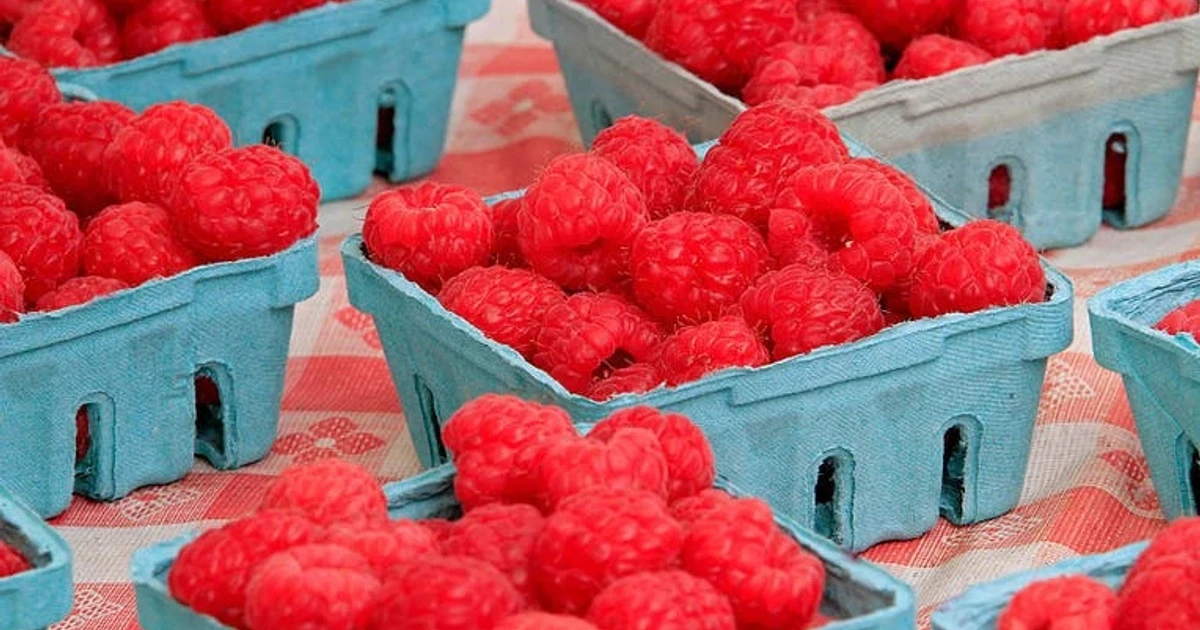
Cyclospora spreads when infected feces contaminate food or water, and contaminated irrigation water can put the parasite onto produce before it ever reaches a kitchen. Outbreaks have repeatedly been linked to fresh fruits and vegetables, including imported raspberries, basil, snow peas and mesclun lettuce, along with bagged salad mixes and kits, cilantro and green onions. The parasite must mature in the environment for one to two weeks before it becomes infective, and chlorine and other common antimicrobial treatments are not effective against it.

Symptoms usually start about a week after exposure, though they can appear as soon as two days later, and often include watery diarrhea, cramping, bloating, increased gas, nausea and fatigue. Anyone with symptoms should see a healthcare provider, and dehydration from frequent diarrhea can become severe, especially for young children, older adults and people with weakened immune systems. Diagnosis may require special stool testing for Cyclospora, which is not part of routine lab work.
Sources
- [1]news.google.com
- [2]nbcnews.com
- [3]cdc.gov
- [4]fda.gov