Entertainment
Cézanne, Renoir, Matisse Stolen in Swift Museum Heist
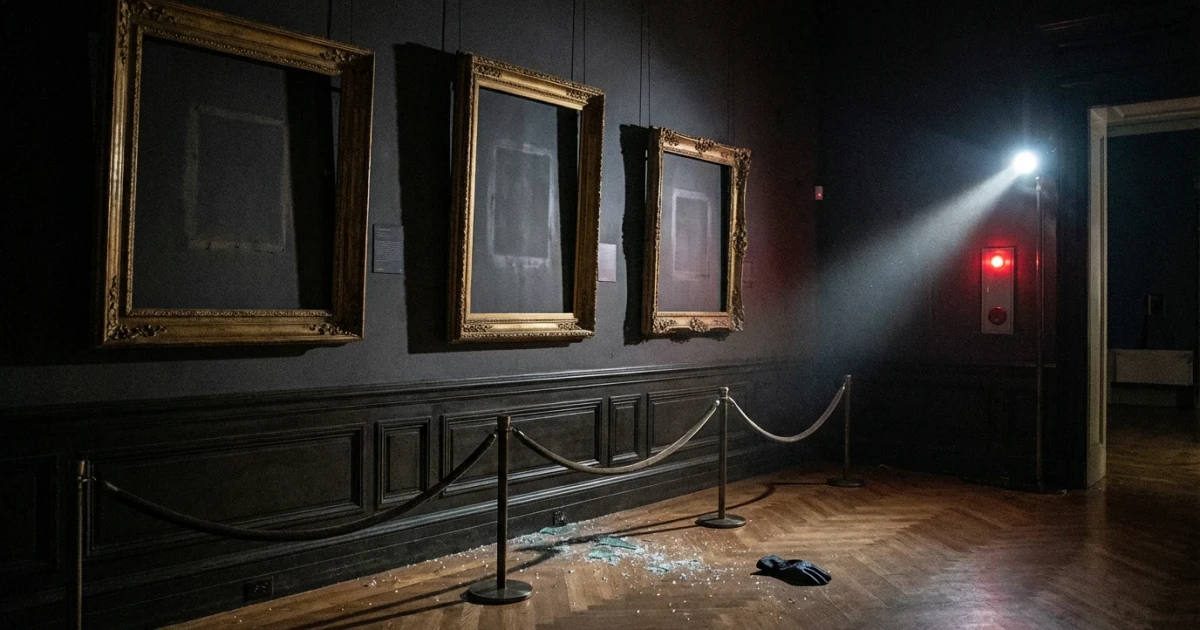
Thieves executed a rapid museum heist, stealing invaluable works by Paul Cézanne, Pierre-Auguste Renoir, and Henri Matisse in under three minutes, police confirmed over the weekend. The bold theft highlights ongoing security challenges facing the world’s leading art institutions and adds to a growing list of art crimes involving masterworks by renowned painters.
Theft Details: Paintings Taken in Under Three Minutes
According to police reports cited by The Washington Post, the well-coordinated robbery unfolded with remarkable speed, as the criminals targeted and removed paintings by Cézanne, Renoir, and Matisse in less than three minutes. The thieves bypassed security systems, swiftly extracted the artworks from their displays, and fled before authorities could intervene.
Heists of this nature are rare but not unprecedented. Art crime specialists note that such operations are typically carried out by individuals with in-depth knowledge of museum layouts and security measures. The short window in which the theft occurred suggests careful planning and experience in handling high-profile targets.
Stolen Works and Their Significance
While authorities have not yet disclosed the specific titles of the stolen paintings, all three artists—Paul Cézanne, Pierre-Auguste Renoir, and Henri Matisse—are among the most celebrated figures in the history of modern art. Works by these artists routinely command multi-million dollar prices at auction, and their theft represents a significant loss not only in monetary value but also cultural heritage.
- INTERPOL’s Works of Art Database lists numerous past thefts involving paintings by Cézanne and Renoir, underscoring their value on the black market.
- The Art Loss Register Database tracks missing and stolen works, providing case histories that illustrate the challenges of recovery.
Context: Art Theft Trends and Challenges
Art theft remains a significant concern for museums worldwide. According to UNESCO cultural property crime statistics, hundreds of valuable artworks are stolen each year, with recovery rates often low due to the clandestine nature of the black market.
- The FBI’s Art Theft Program maintains an active list of cases, highlighting the ongoing risks and investigative efforts associated with stolen art.
- Experts warn that high-profile thefts often lead to years—sometimes decades—of uncertainty before recovery, as stolen works are trafficked through complex international networks.
Implications for Museums and Cultural Heritage
The theft of works by Cézanne, Renoir, and Matisse is a stark reminder of the vulnerabilities in museum security systems. The ICCROM’s report on cultural heritage crime notes that rapid-response thefts exploit weaknesses in technology and human oversight, often prompting museums to reassess and upgrade their security protocols in the wake of such incidents.
Beyond financial loss, stolen art represents an irreplaceable blow to public access and cultural history. The National Gallery’s art theft facts and figures emphasize that recovered works are frequently damaged or missing for years, diminishing their cultural value.
Next Steps in the Investigation
Police have launched a full investigation into the theft, working with international agencies to track the stolen paintings and prevent their sale on the illicit art market. Authorities are urging museums and galleries to review security measures and encourage the public and dealers to consult stolen art databases when offered works by these artists.
As the search for the missing masterpieces continues, the case reignites longstanding debates over art protection, the black market, and the shared responsibility of preserving humanity’s artistic legacy.