US News
Dali chief engineer reaches deal in Key Bridge collapse case
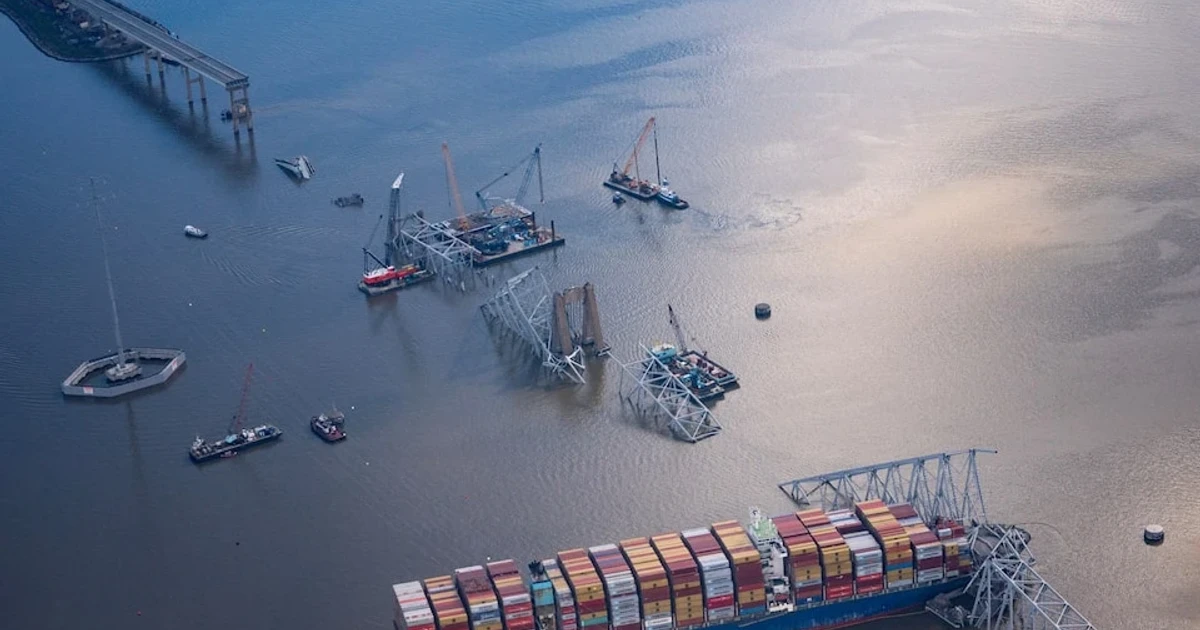
Karthikeyan Deenadayalan’s deferred prosecution deal keeps the Key Bridge collapse case alive while shifting its focus deeper into the ship’s engineering and reporting failures. The filing, announced by U.S. Attorney Kelly O. Hayes with federal investigators from the FBI Baltimore Field Office, the Coast Guard Investigative Service and the EPA Criminal Investigation Division, ties one of the vessel’s central figures to the disaster that killed six construction workers.
The Justice Department said Deenadayalan, an Indian national who was chief engineer aboard the 984-foot Dali when it struck the bridge, admitted conduct that amounted to a criminal violation of the Ports and Waterways Safety Act. Prosecutors said he failed to report a hazardous condition to the U.S. Coast Guard and that the hazard involved an unsafe flushing pump without redundancy, a flaw that could compromise safe navigation and recovery after power loss. The department also said the Dali, the Maersk Saltoro and the Cezanne used the same unsafe fuel supply pump, broadening the issue beyond a single vessel or a single night.
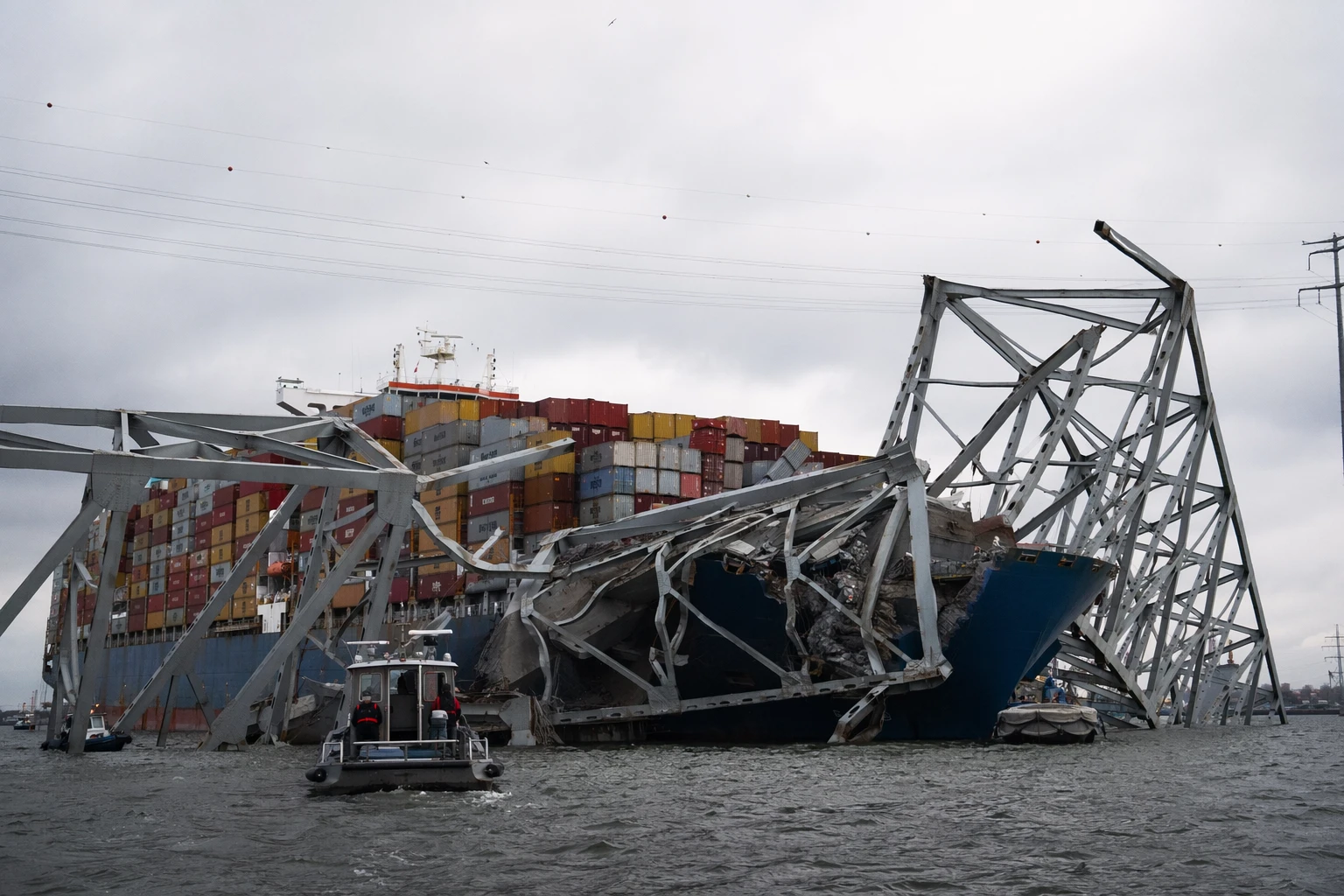
The agreement gives prosecutors another tool in a case that has already expanded well beyond Deenadayalan. Federal officials said the related criminal case stems from an indictment unsealed in May 2026 charging Synergy Marine Pte Ltd., Synergy Maritime Pte Ltd. and shoreside technical superintendent Radhakrishnan Karthik Nair. The Justice Department put the economic loss at at least $5 billion, a figure that reflects the scale of the collapse’s damage to Baltimore, the Port of Baltimore and the shipping network that depends on them. Prosecutors also said Deenadayalan had conversations and correspondence with Synergy personnel, including Nair, who allegedly directed him to send an email to the Dali charterer so the company would not ask more questions about fuel consumption and uncover the pump arrangement.
The collision happened on March 26, 2024, at about 1:29 a.m., when the Dali lost electrical power, propulsion and steering, struck Pier 17 and brought down the Francis Scott Key Bridge, according to the National Transportation Safety Board. Six construction workers died in the collapse, and the bridge, which opened in 1977, had carried millions of vehicles a day. Maryland now estimates reconstruction will cost about $4.3 billion to $5.2 billion, with a target to reopen the span in late 2030.
The legal and financial reckoning has moved in parallel. Maryland finalized a settlement on May 12, 2026, with Grace Ocean Private Limited and Synergy Marine Pte Ltd., and the families of the six workers who died also settled with the Dali’s owner and operator in late May. On June 18, the Maryland Transportation Authority held an industry forum on procurement for the new bridge’s main span and marine approaches, underscoring that the collapse remains both an active criminal case and a long rebuild.
Sources
- [1]yahoo.com
- [2]justice.gov
- [3]ntsb.gov
- [4]oag.maryland.gov
- [5]mdta.maryland.gov
- [6]keybridgerebuild.com