Sports
Dana White says White House UFC fight night will never happen again
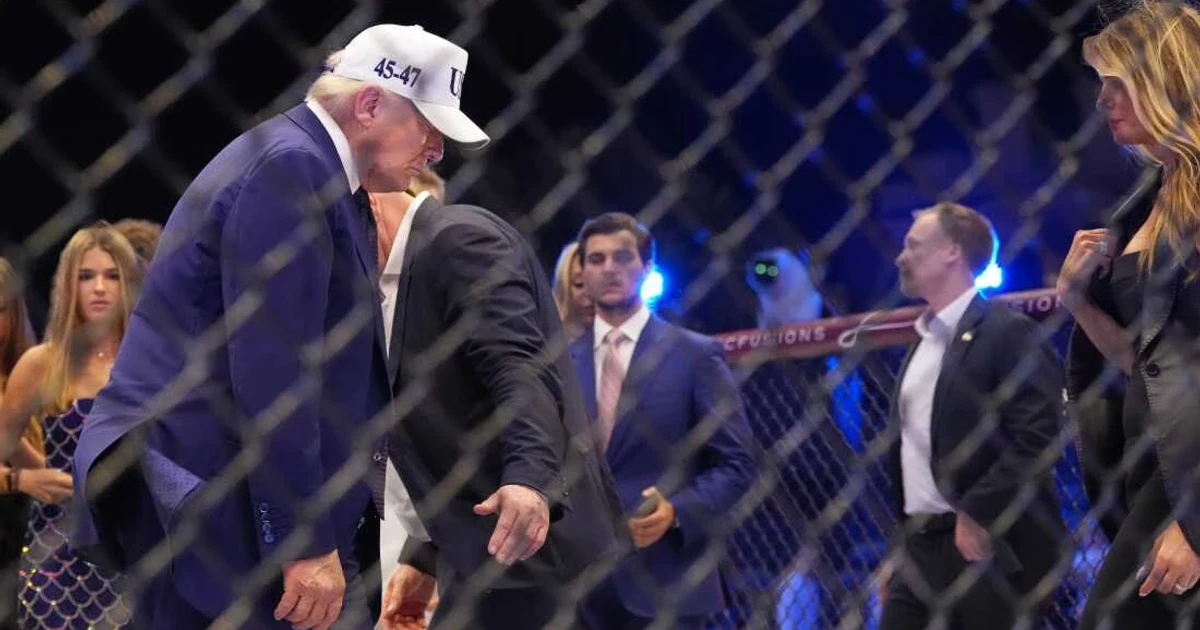
The White House became a fight card stage when UFC Freedom 250 brought mixed martial arts to the South Lawn in Washington, D.C., tying a federal landmark to America’s 250th anniversary celebrations and President Donald Trump’s 80th birthday. The event fused state symbolism, entertainment branding and political theater in a way that few public venues ever have, and its scale raised immediate questions about precedent, security and the cost of turning the nation’s most recognizable address into a combat-sports venue.
Dana White said the show worked, but would not be repeated. He called the White House event a success and, in effect, a one-of-one spectacle that UFC could not afford to stage again. White also said the promotion expected to lose about $30 million on the event, even after UFC treated it as a marquee moment in its own calendar.
The numbers behind the night underscored how extraordinary the setting was. Court filings said the event cost more than $60 million, with more than 4,000 spectators expected on the South Lawn and more than 1,000 members of the armed services among them. Another 120,000 people were expected to watch from the Ellipse after winning free tickets in a lottery. UFC said it was paying for the event itself and that taxpayer dollars were not being used beyond normal government employee duties.
The legal fight over the spectacle was almost as unusual as the card itself. U.S. District Judge Amit P. Mehta rejected a last-minute lawsuit seeking to block the event, saying the plaintiffs lacked standing and that stopping the show would carry enormous costs. The challenge also raised questions about whether the towering arch and other construction on White House grounds required congressional approval or environmental review, sharpening concerns that the administration had merged public property with a privately branded sports production.
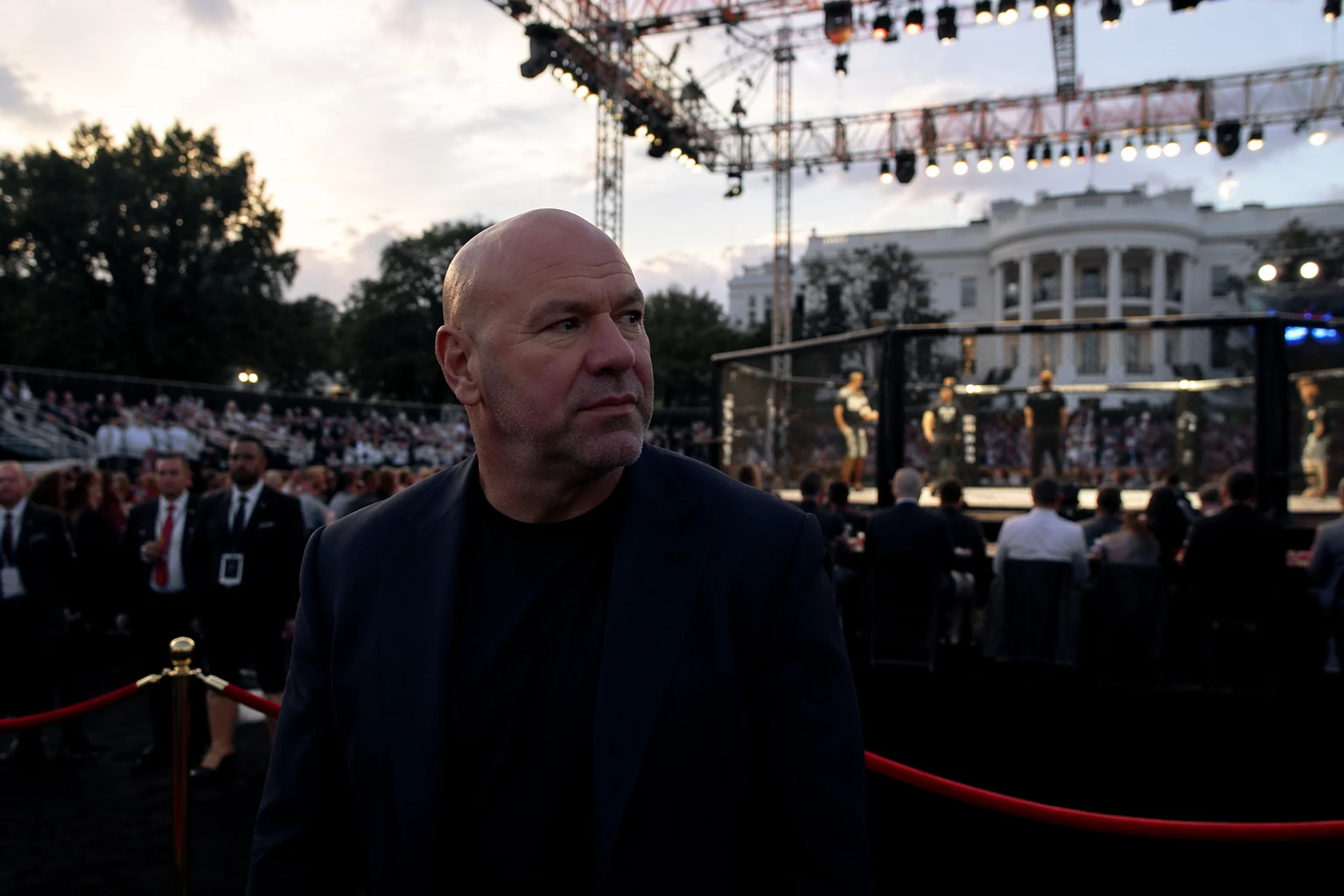
Security planning was equally significant. Under federal practice, a gathering this large could qualify as a National Special Security Event, the designation reserved for nationally significant occasions such as presidential inaugurations, major sporting events and international meetings, with the U.S. Secret Service serving as the lead federal coordinating agency. The White House promoted the event through a Freedom 250 page and video posts, making the fight card part of the administration’s official America 250 programming rather than a side attraction.
Inside the cage, Justin Gaethje defeated Ilia Topuria by TKO in the fourth round to win the undisputed UFC lightweight title. UFC said all seven bouts ended inside the distance, and fighters toured the West Wing, Oval Office, Roosevelt Room and Cabinet Room before heading to the South Lawn. That choreography, followed by winners meeting Trump afterward, made the event feel less like a temporary sports promotion than a test of how far presidential symbolism can be repurposed as spectacle.
Sources
- [1]news.google.com
- [2]politico.com
- [3]time.com
- [4]congress.gov
- [5]ufc.com
- [6]whitehouse.gov