US News
Dangerous heat wave grips eastern U.S., threatens Amtrak delays
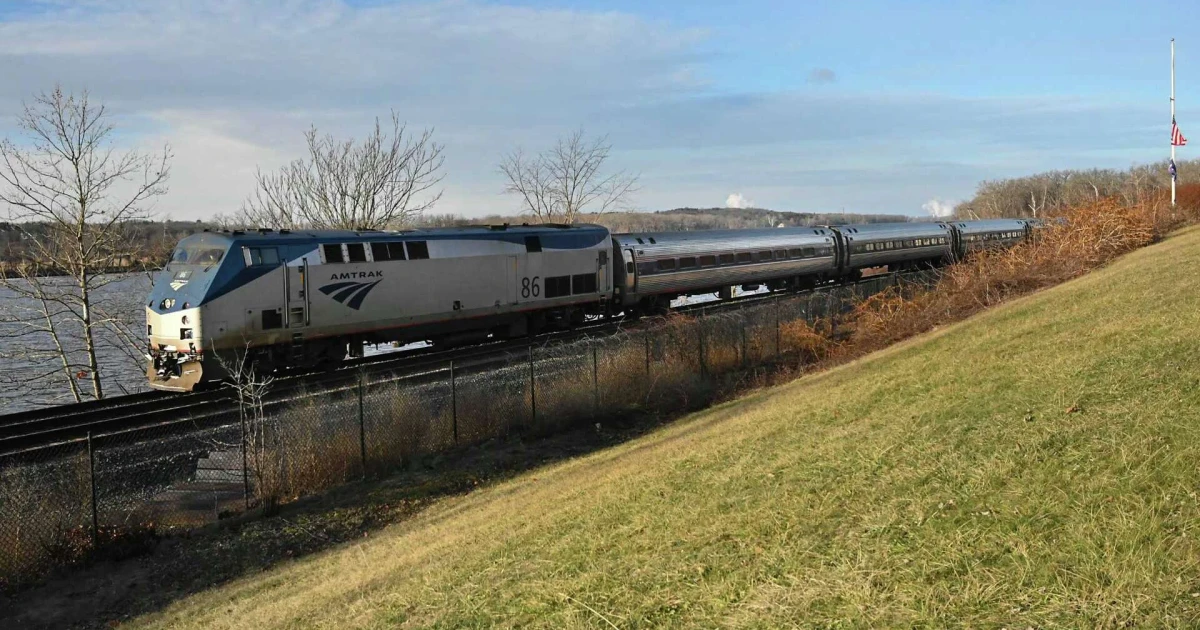
Amtrak warned on July 1 that extreme temperatures may cause delays as a dangerous heat wave spread across more than two dozen states. Record-breaking heat was intensifying across most of the central and eastern U.S., with heat indices expected to top 100 degrees and peak readings reaching 115 degrees in some places.
The danger was expected to persist through Friday before shifting onto the eastern U.S. through the Independence Day weekend. In New York, the National Weather Service extended an extreme heat warning through Saturday and said the conditions could be deadly for people without adequate cooling and hydration. Forecasters also warned that transportation infrastructure, electrical systems and water systems could be affected, especially where overnight temperatures remained unusually warm and offered little relief.

Extreme heat can cause rails, bridges and overhead wires to expand, which can force trains to operate at lower speeds and create delays. Amtrak issues heat restrictions when ambient temperatures climb above 95 degrees Fahrenheit and reduces speeds when tracks reach 128 degrees Fahrenheit. Along the Northeast Corridor, where service connects major cities including Washington, Philadelphia and New York Penn Station, Amtrak stages replacement locomotives every 30 to 50 miles and can deploy equipment from Washington, Philadelphia or New York to support operations.
It monitors rail temperatures and weather conditions on the Northeast Corridor, the Harrisburg Line in Pennsylvania, the Empire Line in New York, the Springfield Line in Connecticut and Massachusetts, and the Michigan Line, including part of Indiana. Its service alerts page listed active schedule changes and reservations requirements on several routes.
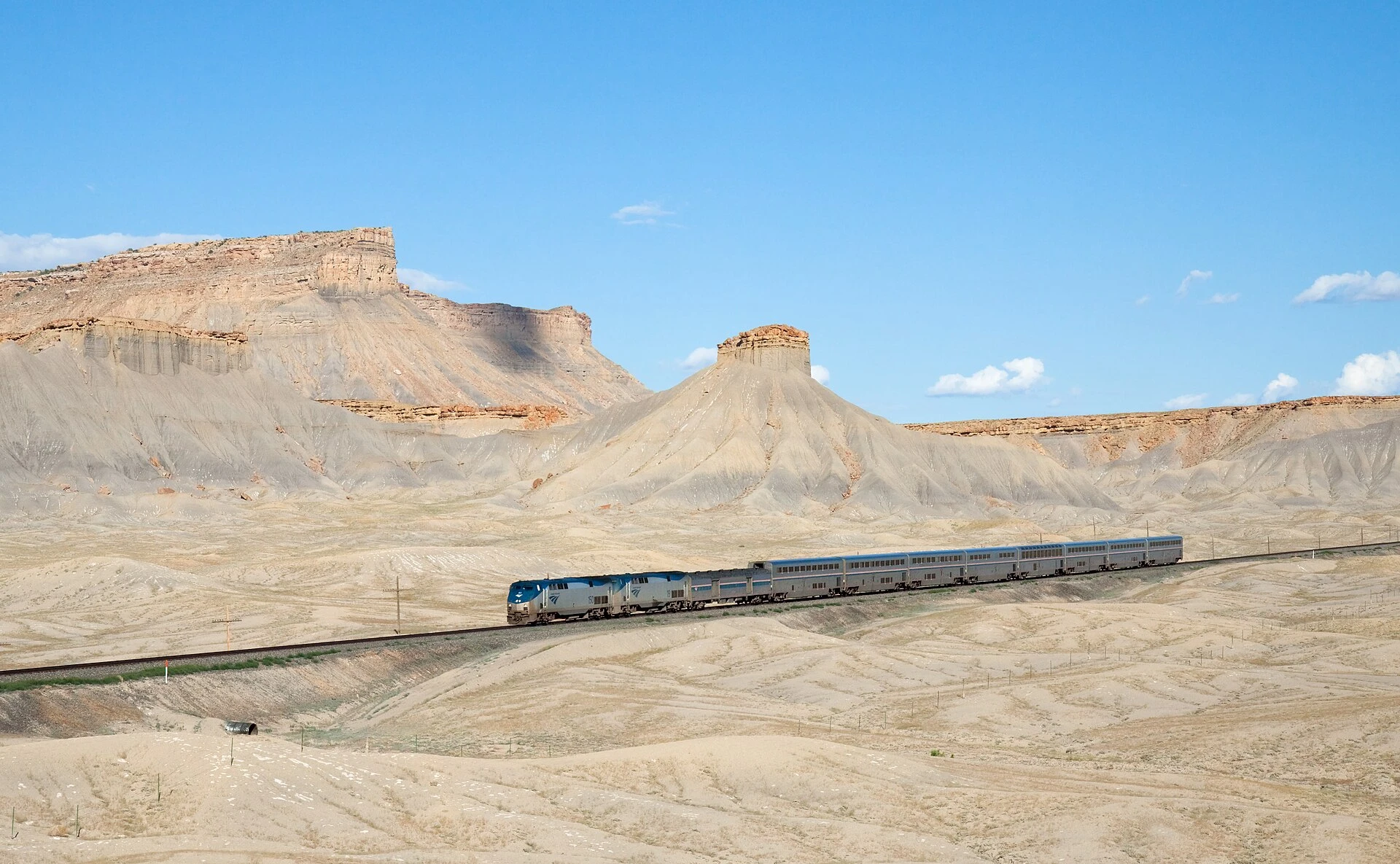
NOAA says extreme heat is the leading weather-related cause of death in the United States, with more than 1,220 heat-related deaths a year on average. Some neighborhoods inside the same city can be as much as 20 degrees hotter than others because of the urban heat-island effect.
Sources
- [1]abcnews.com
- [2]weather.gov
- [3]forecast.weather.gov
- [4]amtrak.com
- [5]media.amtrak.com
- [6]noaa.gov