US News
Dangerous heat wave grips U.S. across multiple regions this week
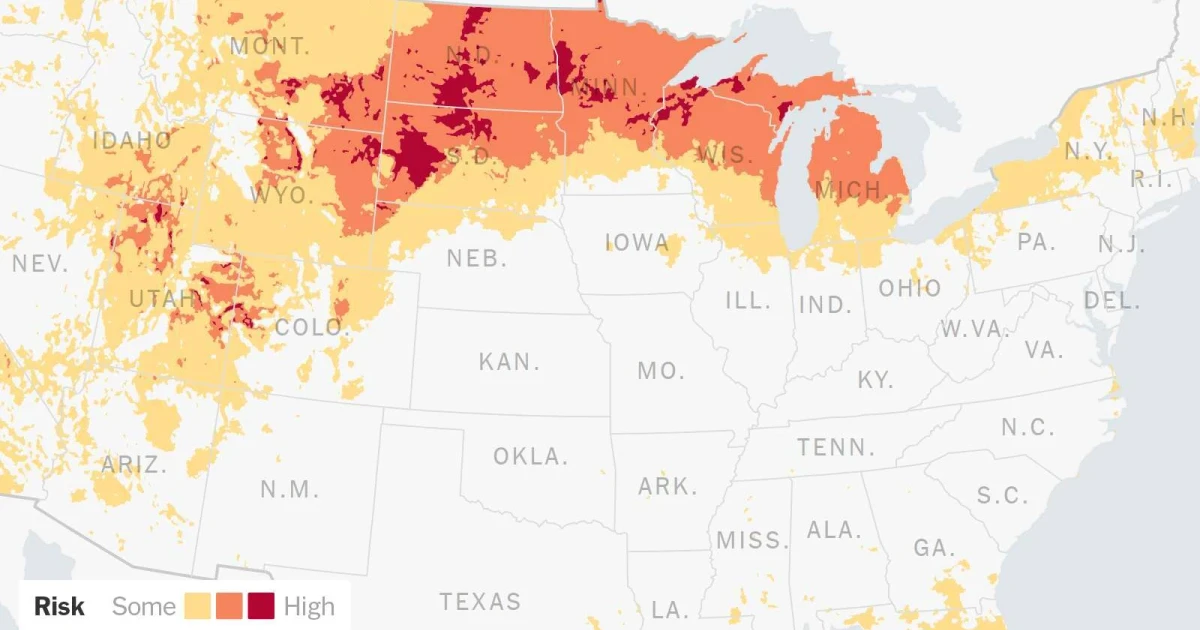
The National Weather Service said a significant heat wave was underway across the Intermountain West, Northern Plains and Upper Great Lakes, with the most intense heat peaking through midweek and lingering across parts of the Northern Plains and Midwest until the weekend. Extreme heat warnings were in effect in parts of the country on Tuesday, underscoring how quickly the danger can stretch across multiple regions and persist for days.
The warning carried the kind of public-health urgency usually reserved for storms and floods. The Centers for Disease Control and Prevention says extreme heat can cause preventable illness and death nationwide, especially among infants and children, pregnant women, adults over age 65, people with disabilities, people with chronic health conditions, people with mental health or substance-use disorders, people who lack housing or access to cooling, and people who work or exercise outdoors.

Federal health guidance is blunt about what reduces risk: use air conditioning or go to a cooling center, check on family, friends and neighbors, and drink plenty of fluids. Those precautions matter most when heat settles in for several days, because the danger is not limited to the afternoon peak. Nights that stay hot make it harder for the body to recover, and repeated days of extreme heat can push emergency services, cooling shelters and household power use into a tighter squeeze.
The scale of the current pattern fits a broader trend. The National Oceanic and Atmospheric Administration’s National Centers for Environmental Information said June 2026 was the second-warmest June on record globally, with global surface temperatures 1.96 degrees Fahrenheit, or 1.09 degrees Celsius, above the 20th-century average. The CDC has also said more than two-thirds of Americans were under heat alerts in 2023, a sign that widespread heat emergencies are becoming a more familiar feature of summer.

Rob Marciano, tracking the high temperatures for CBS News, has been following the heat as it moves across the country. For cities, rural counties and tribal communities alike, the immediate issue is the same: getting people into cool spaces before the heat turns from uncomfortable to dangerous.
Sources
- [1]cbsnews.com
- [2]weather.gov
- [3]cdc.gov
- [4]noaa.gov