World
Danube drought forces Romania to blast rocks, Hungary nuclear shutdowns loom
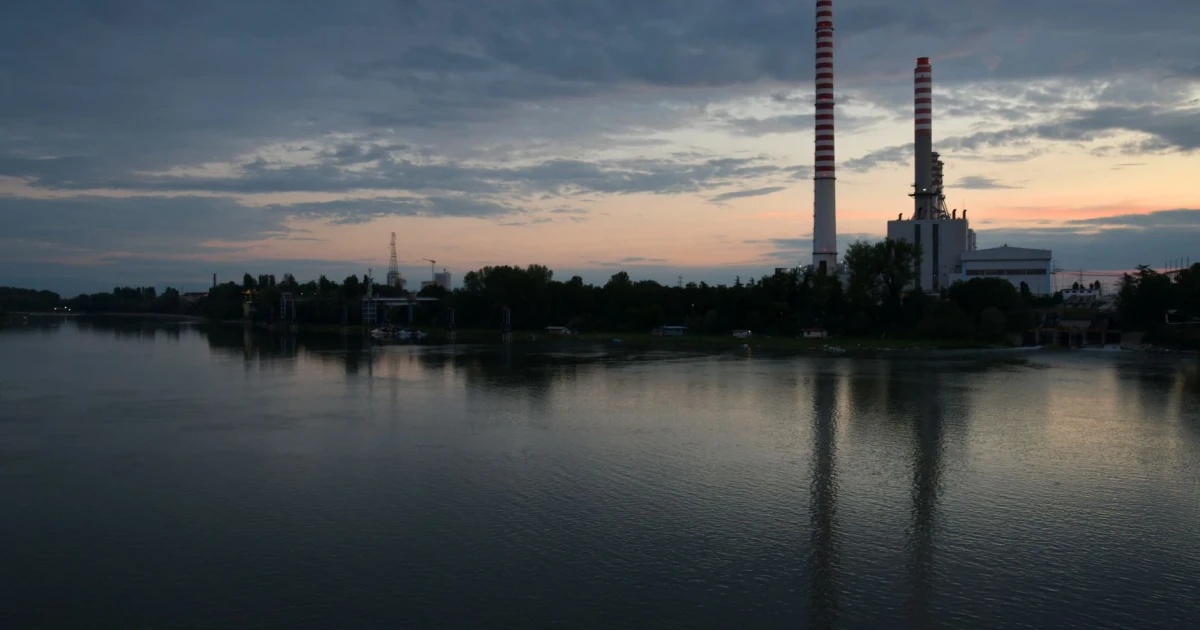
Romania has been blasting rock along the Danube River to push scarce cooling water toward the Cernavoda NPP, after decades-low river levels threatened the country’s second nuclear reactor. The Romanian energy ministry said the reactor would be shut down as the drought tightened pressure on power output, and Bucharest later declared a state of emergency as the river fell further.
The same shrinking waterway pushed Hungary’s Paks Nuclear Power Plant toward shutdown. Hungary’s only atomic plant was due to power down on Sunday, and officials warned that low Danube levels could keep it shut for weeks. Prime Minister Peter Magyar said there were "critical" days ahead, and added that Hungary might be able to eke out two more days of power from the plant before conditions forced a stop.
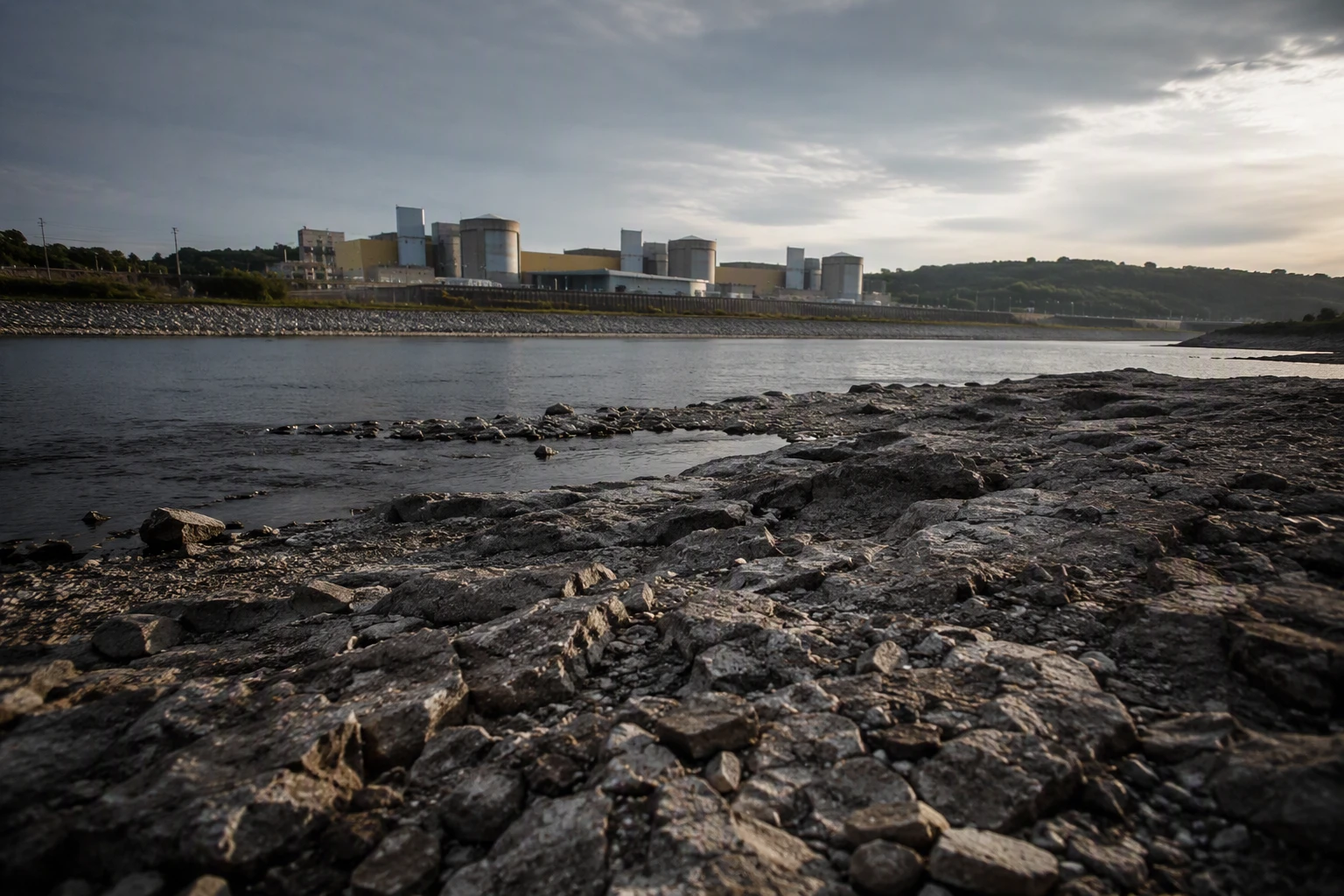
The Danube has forced Romania through this before. A record kept by the International Atomic Energy Agency says that on Aug. 24, 2003, a summer heat wave drove the river to its lowest level in more than a century, forcing experts and technical specialists at Cernavoda to close Unit 1. Two decades later, the same basic problem has returned with sharper force, as heat and low water collide with reactors that depend on steady river flow for cooling.
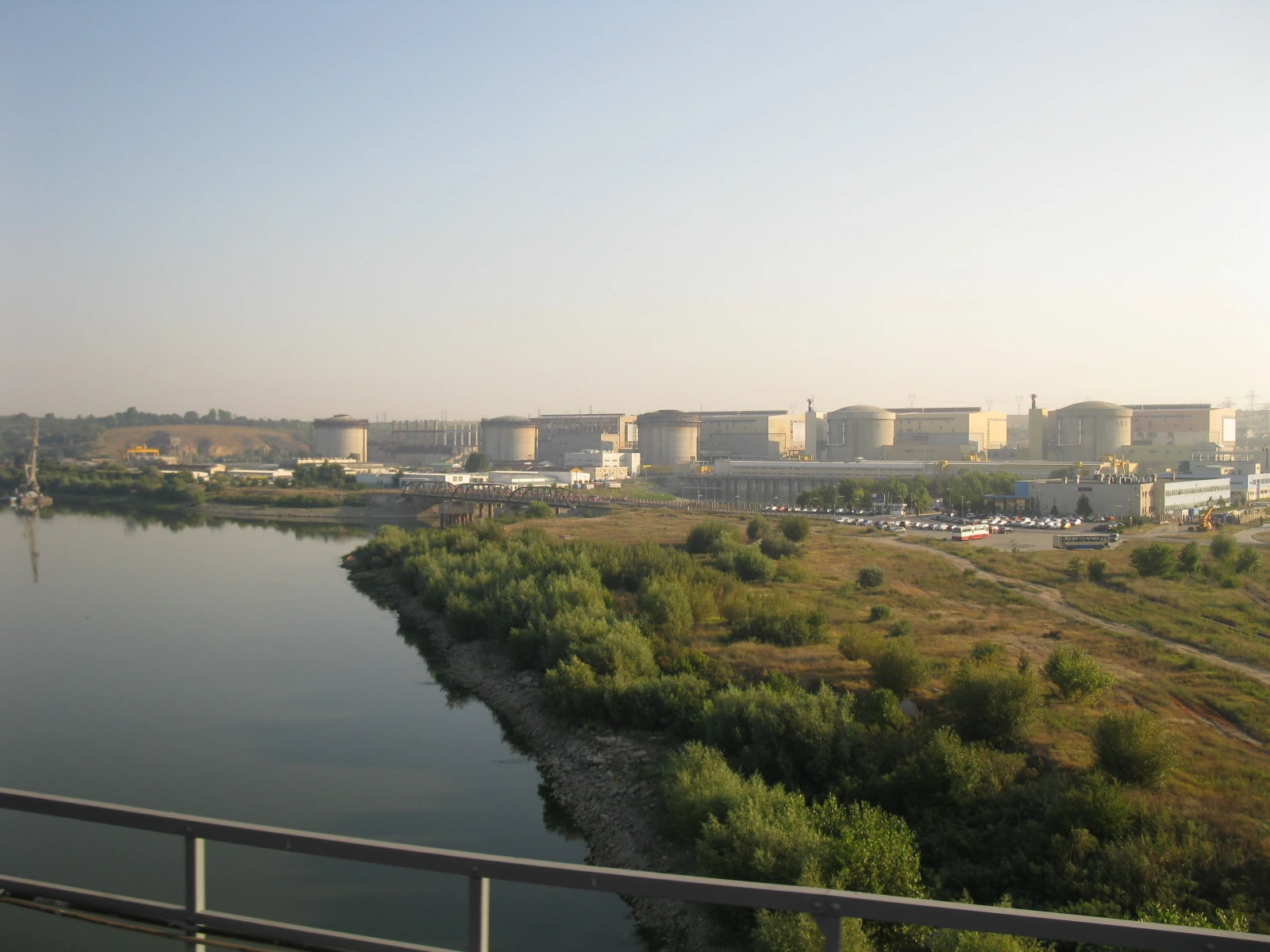
The strain has gone beyond a single plant. Low Danube levels have cut nuclear output in both Hungary and Romania, and officials have tied the disruption to a wider energy crunch across the region. The river’s drop has also hit transport and other power systems, showing how quickly a climate-driven water shortage can become an infrastructure problem that reaches national security. For Romania, keeping a reactor online now requires literally reshaping part of the riverbed. For Hungary, the threat is a shutdown at its only nuclear plant. Together, the two cases have turned the Danube into a warning for Europe and any country trying to balance extreme heat, water scarcity and reliable power from river-cooled energy systems.
Sources
- [1]news.google.com
- [2]reuters.com
- [3]inis.iaea.org
- [4]reutersconnect.com