Technology
Daphne Koller Advances AI-Powered Drug Discovery
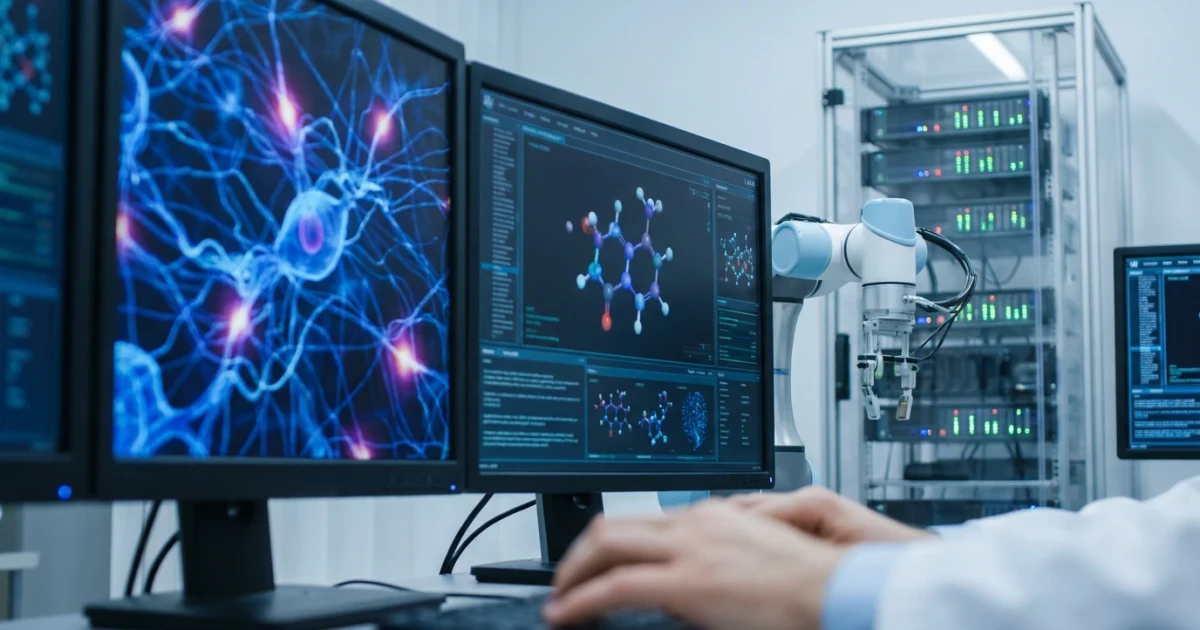
Artificial intelligence is rapidly transforming the landscape of drug discovery, with scientists and technologists like Daphne Koller at the forefront of this shift. Koller, a renowned computer scientist and founder of insitro, has been a leading voice in leveraging machine learning to accelerate and optimize the development of new medicines.
The Promise of AI in Drug Development
Traditional drug discovery is known for its high costs, lengthy timelines, and high failure rates. According to a recent Nature study, the use of machine learning in drug discovery offers the potential to streamline the identification of promising compounds, predict their effects, and reduce unnecessary laboratory testing. By analyzing massive biological and chemical datasets, AI systems can identify patterns and relationships that might elude human researchers, making the process faster and more efficient.
- AI can screen billions of molecules for potential drug candidates in a fraction of the time required by traditional methods.
- Machine learning models can predict a compound’s efficacy and toxicity before clinical trials begin, reducing the risk of late-stage failures.
- AI accelerates the repurposing of existing drugs for new diseases, as seen during the COVID-19 pandemic.
Daphne Koller’s Role and insitro’s Approach
Daphne Koller has been an outspoken advocate for the integration of AI into life sciences. Her company, insitro, employs machine learning to build predictive models from large-scale biological data. This data-driven approach helps identify new drug targets and optimizes the selection of compounds for further development.
The clinical trials database lists several ongoing projects involving insitro’s AI-driven methods, underscoring the company’s commitment to translating computational insights into real-world treatments. Koller argues that by combining advances in genomics, high-throughput biology, and computational modeling, researchers can unlock new therapeutic opportunities that were previously out of reach.
Challenges and Opportunities
While the promise of AI in drug discovery is significant, the field faces notable challenges. As highlighted in peer-reviewed analysis, data quality and standardization remain obstacles: AI models are only as good as the data they are trained on. Furthermore, translating computational predictions into effective, safe medications still requires extensive regulatory review and clinical validation.
Nonetheless, the drug development pipeline is seeing an increasing number of AI-driven projects progressing toward clinical trials. The industry is watching closely to see whether these early efforts will result in approved drugs and improved outcomes for patients.
Looking Ahead
Experts agree that the continued integration of AI and machine learning into pharmaceutical research is likely to accelerate the pace of drug discovery and broaden the range of treatable diseases. As companies like insitro push the boundaries of computational biology, the global healthcare community may soon benefit from faster, more targeted, and potentially more affordable medicines.
For those following the intersection of technology and medicine, Daphne Koller’s work remains a bellwether for the transformative potential of AI in drug discovery. The coming years will reveal whether these innovations can deliver on their promise and reshape the future of healthcare.