Politics
Darline Graham tests whether a famous name can win South Carolina
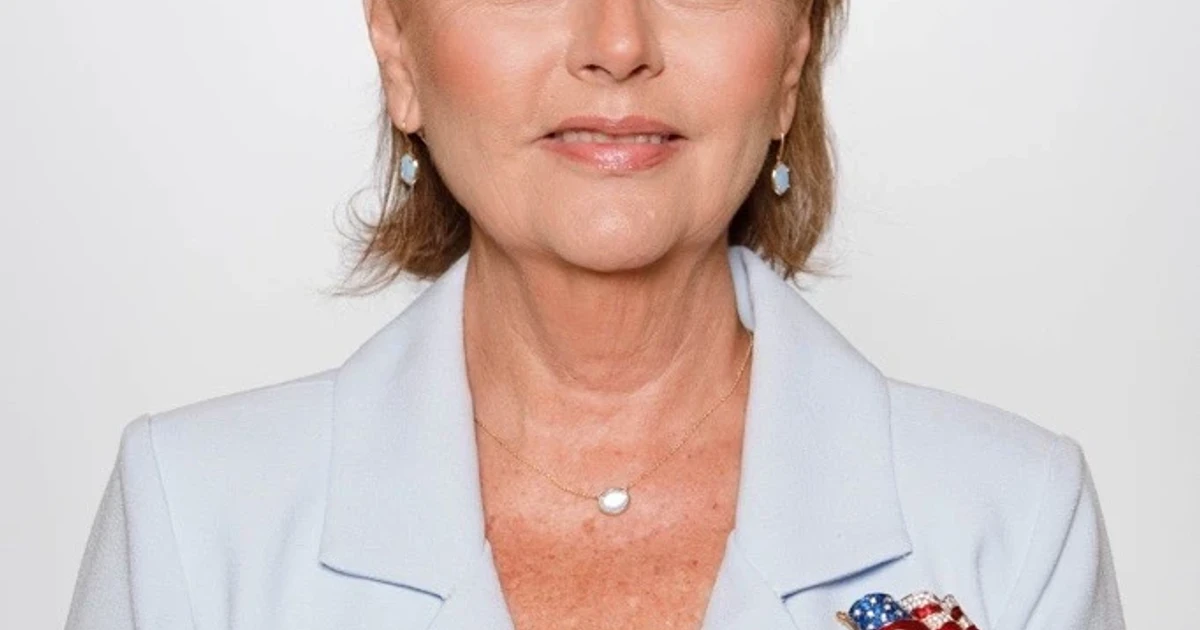
President Donald Trump endorsed Darline Graham in South Carolina’s special Republican Senate primary, turning a little-known candidate into the clearest test yet of how far a famous family name can carry in state politics. AP described Graham, in a Florence dateline story, as having been “catapulted from obscurity last month” after her rise into the race to fill the seat tied to her late brother, Lindsey Graham.
That family link mattered because Lindsey Graham was one of South Carolina’s most prominent Republican figures and a close ally of Trump. It also shaped the argument around his sister’s candidacy: whether recognition alone could offset a thinner political resume and limited statewide experience, or whether voters would demand more than inherited brand power before rewarding her with a Senate nomination.
The AP syndicated text captured the low-drama challenge facing Graham with a blunt line: “Few people have anything bad to say about Darline Graham.” In a race like this, that kind of goodwill can open doors, especially in South Carolina’s Republican circles, where local networks, party loyalty and familiar names can matter early. But the same surname that creates instant recognition can also sharpen scrutiny, because voters know exactly what legacy they are being asked to trust.
The contest also pulled in other power brokers. Rep. Ralph Norman, a South Carolina Republican, spoke with Trump on July 12 about a possible endorsement in the special primary, a reminder that the race was not only about one family’s name but about who could claim the party’s backing. NBC News said the GOP primary was likely headed to a runoff, underscoring that the field remained competitive rather than settled by celebrity or kinship alone.

Democrats had already chosen their nominee. Charleston physician Annie Andrews won the Democratic primary in June, setting up a general-election contrast between a doctor with a recent campaign profile and a Republican brand built around one of the state’s best-known political surnames. A Citadel Poll released June 2, 2026, added to the sense that South Carolina voters were already sorting through a season of nomination fights shaped by Trump’s influence and by questions of who could actually turn name recognition into votes.
Graham’s rapid rise showed how quickly political legitimacy can be conferred in a special-election environment, but it also exposed the limits of inheritance. In South Carolina, a famous last name can still deliver attention and endorsements; it cannot substitute for the work of convincing voters that a candidate can stand on her own.
Sources
- [1]apnews.com
- [2]usnews.com
- [3]wftv.com
- [4]wjcl.com
- [5]thehill.com
- [6]nbcnews.com
- [7]politico.com
- [8]poll.citadel.edu
- [9]cbsnews.com