Politics
Dartmoor grazing plan sparks fears of 90% hill pony cull
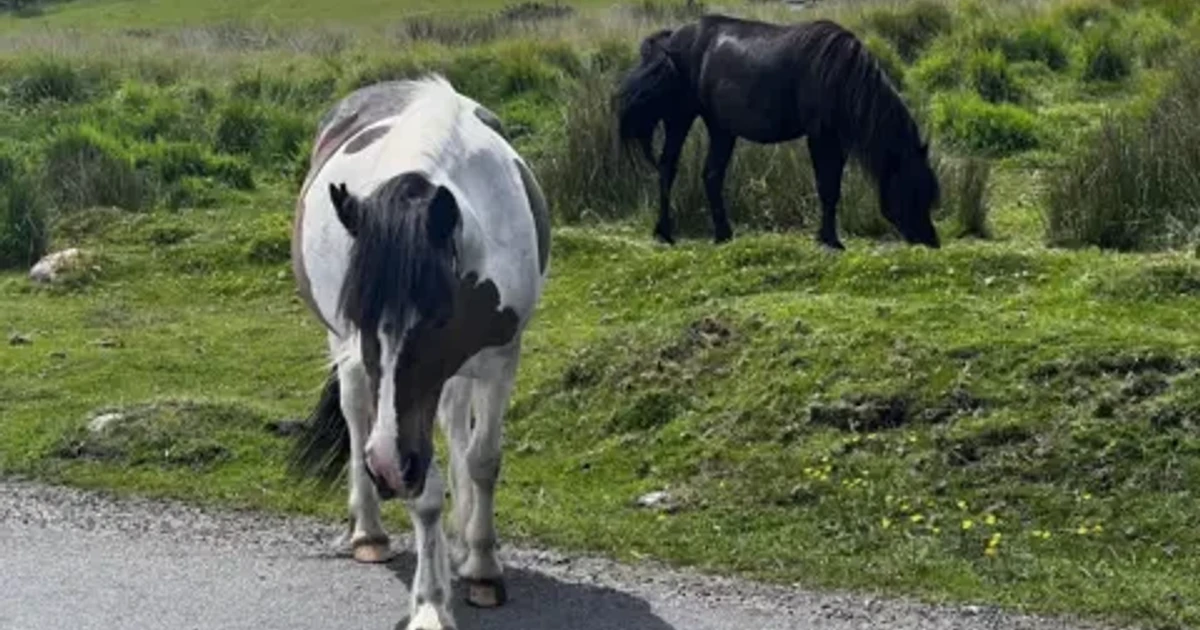
Dartmoor’s hill ponies are at the center of a bitter fight over whether environmental reform is protecting the moor or hollowing out the rural traditions that define it. Campaigners say new Natural England grazing contracts on Dartmoor commons could count ponies alongside cattle and sheep for the first time, forcing commoners to cut pony numbers to make room for more commercially viable livestock. They warn the changes could come into force by the end of 2026, with the autumn drifts becoming a flashpoint if ponies rounded up then are not returned to the moor.
The dispute traces back to the Fursdon Review of Protected Site Management on Dartmoor, published on 12 December 2023 after lobbying from the Countryside Land and Business Association and Devon MPs. Natural England says it has not recommended a cull, does not have the power to order one, and wants ponies to remain a central part of Dartmoor’s grazing system. It also says the Dartmoor pony is valuable for conservation grazing and genetically important, pushing back hard against claims that the contracts amount to a forced reduction in the herd.
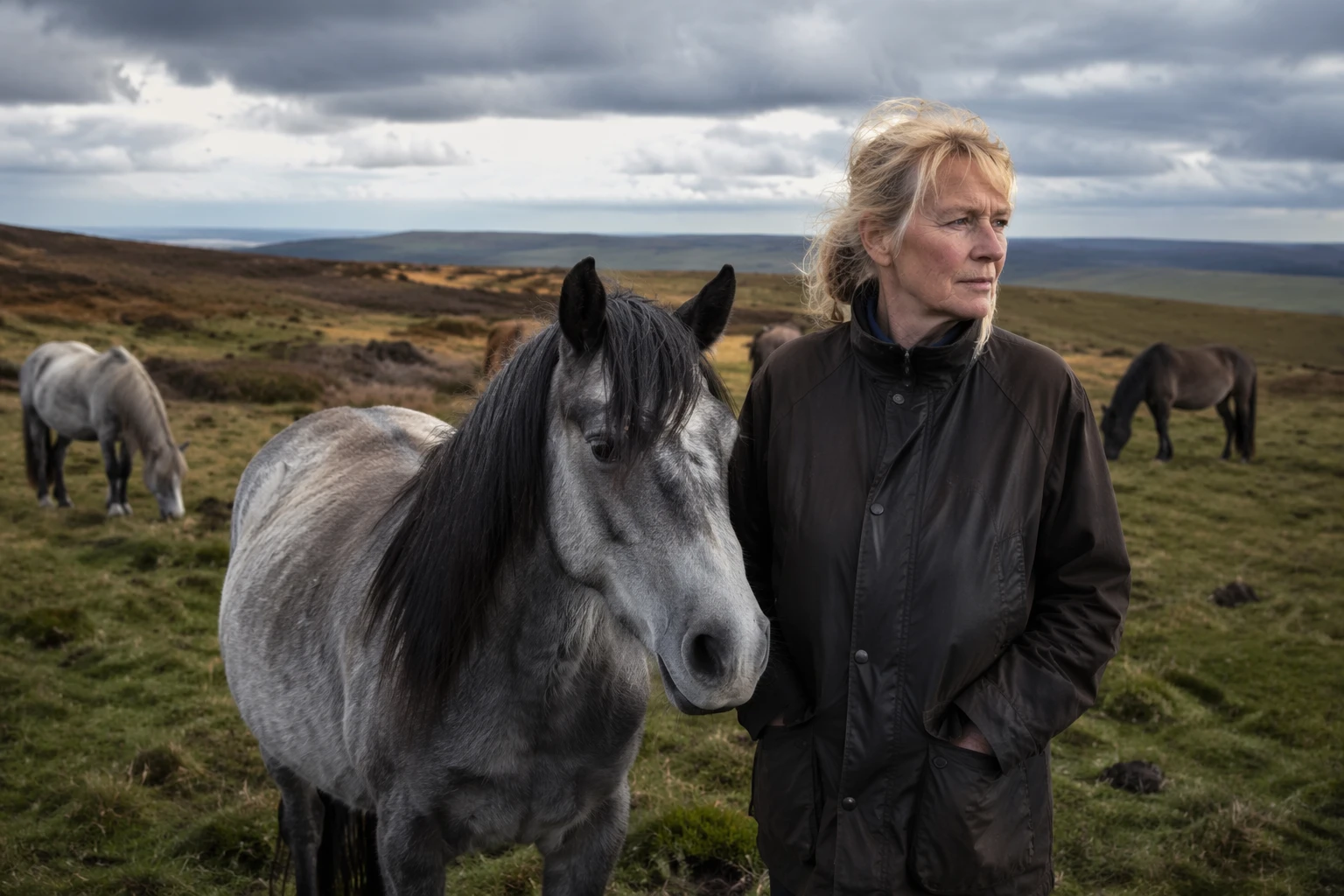
Campaigners say the stakes are severe. Friends of the Dartmoor Hill Pony says there were about 6,000 ponies on the moor 25 years ago, compared with fewer than 1,000 today. One estimate puts the likely decline under the new stewardship contracts at between 67% and 92%, while others warn the loss could reach 90%. For a breed already placed on Defra’s native-at-risk list in 2023, that would be more than a policy adjustment; it would be a further collapse of a population that campaigners describe as one of the last semi-wild pony herds remaining in England.
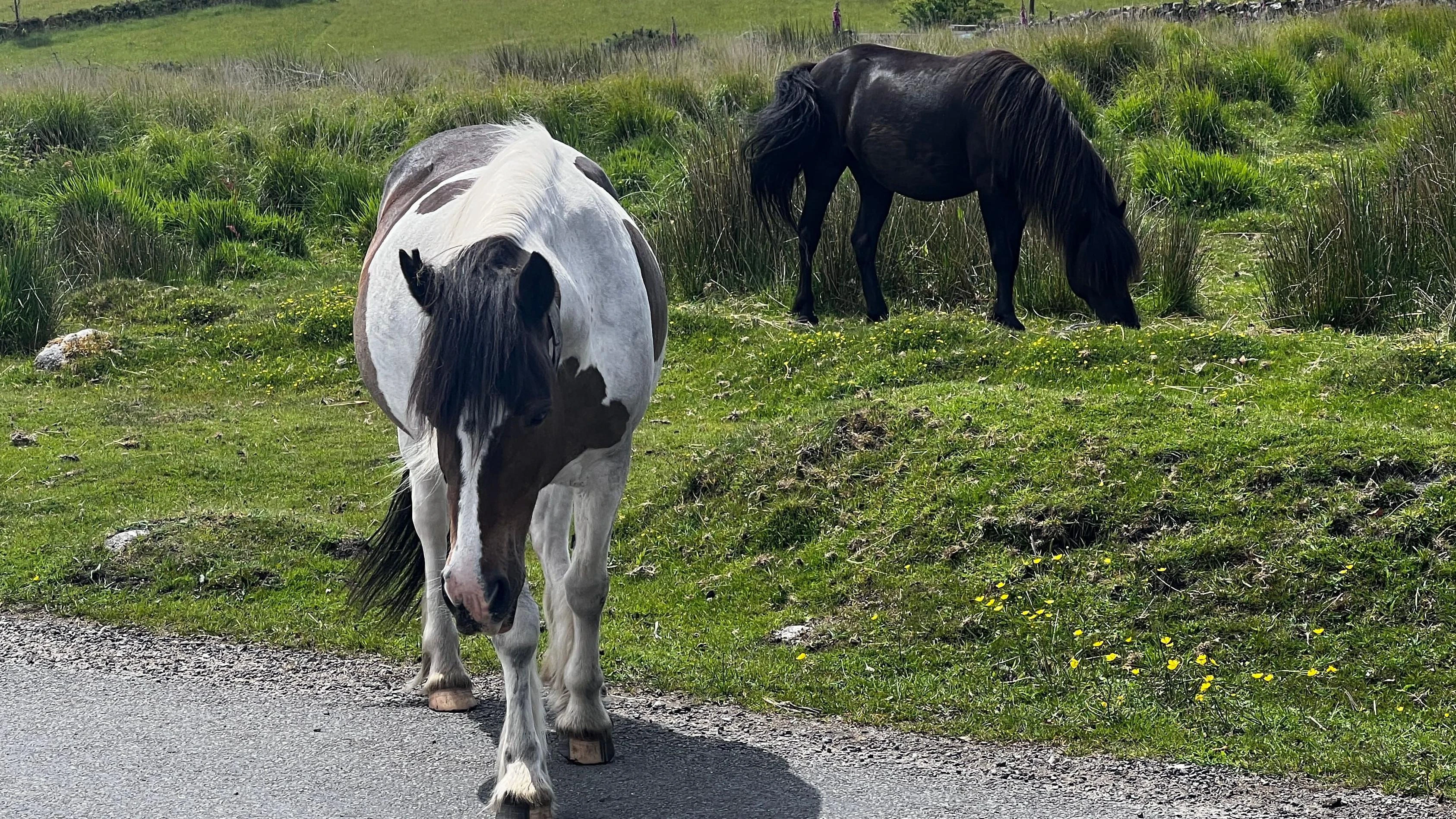
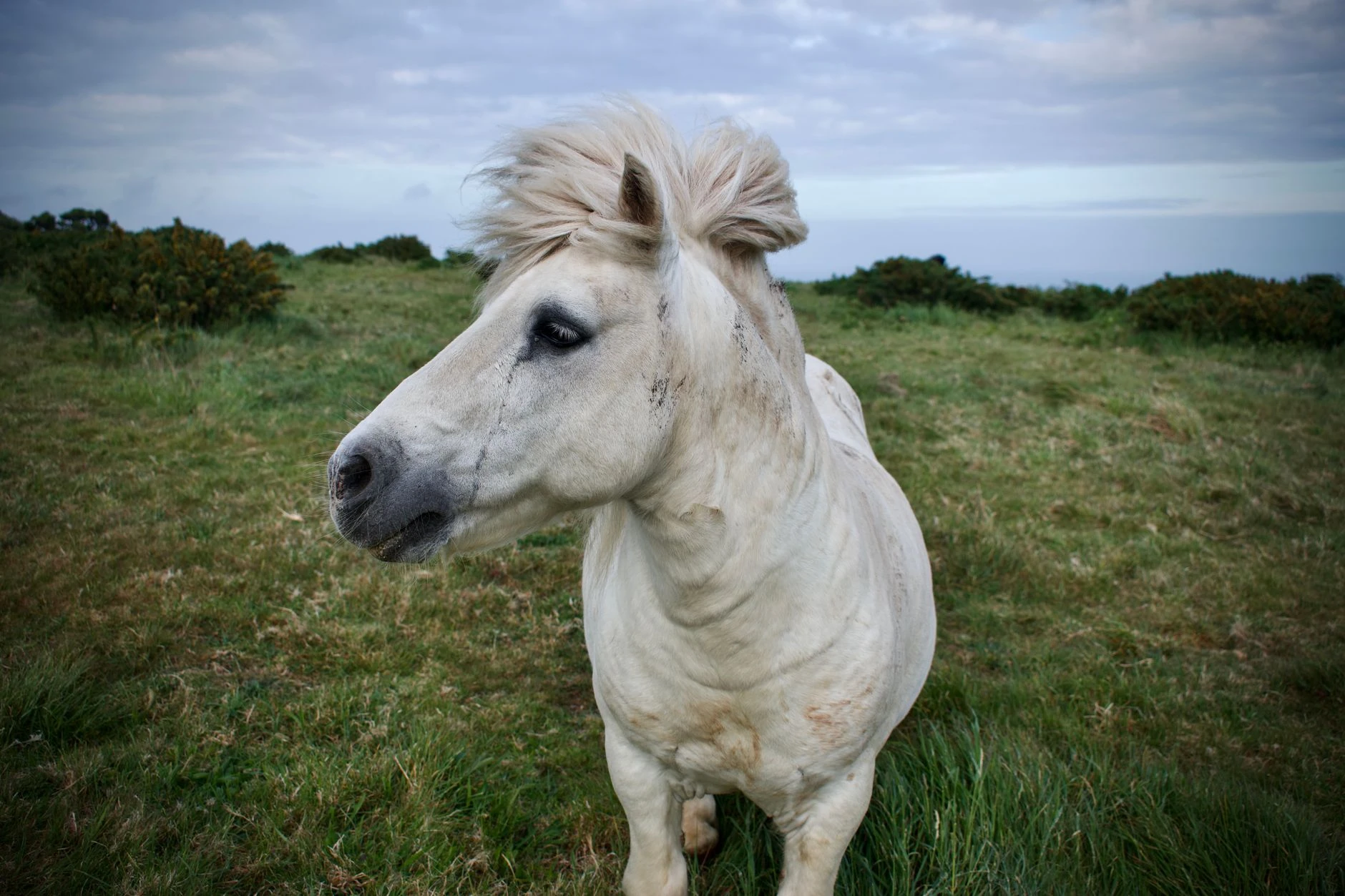
The row has spilled well beyond Devon. More than 130,000 people have signed a petition against the plans, and campaigners are due to deliver it to Downing Street on 2 September. Conservative leader Kemi Badenoch has added to the political pressure, while the government and Natural England have publicly rejected claims of a forced cull. What happens next will determine not just how Dartmoor is managed, but how much room remains for the animals that have helped shape its ecology and identity for generations.