Entertainment
David Hockney dies, Tate plans major tributes for next year
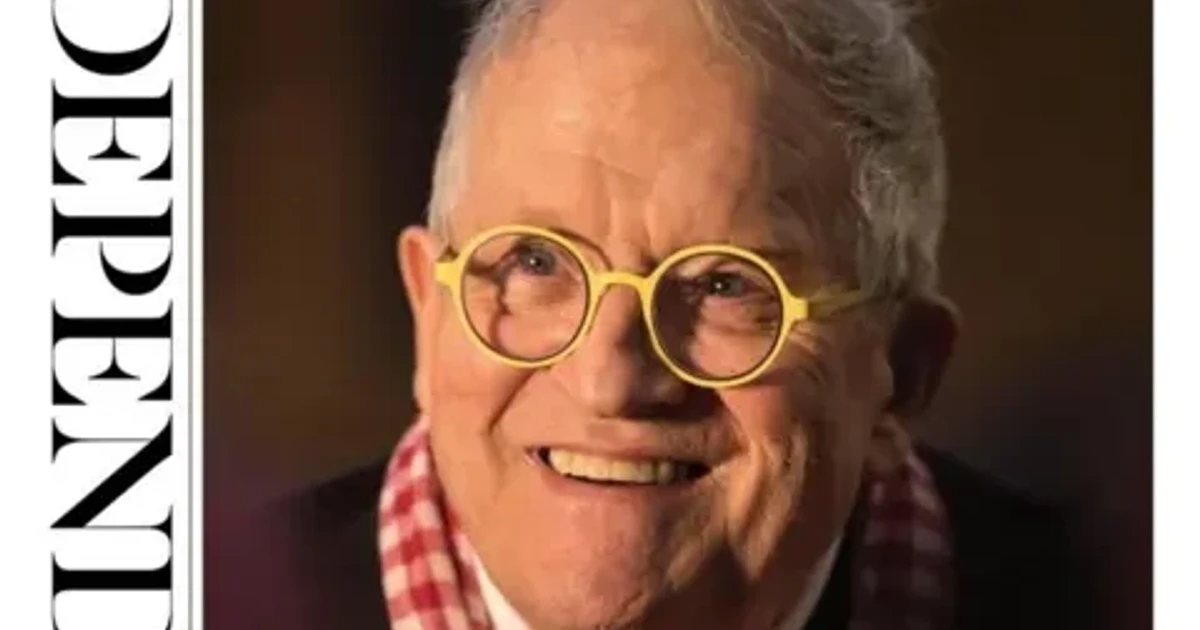
David Hockney’s death gave Saturday’s front pages a rare moment of cultural unanimity, with editors treating the Bradford-born artist as one of Britain’s defining creative figures. Tate said it would mark him next year with two major projects, a sweeping exhibition at Tate Britain and a multimedia installation in Tate Modern’s Turbine Hall built around his opera set designs.
The reaction showed why Hockney belonged on the national pages, not just the arts pages. Born in Bradford, Yorkshire, on 9 July 1937, he was described by Tate as one of the most influential British artists of the 20th and 21st centuries, a painter, draughtsman, printmaker, stage designer and photographer whose reach extended far beyond the studio.
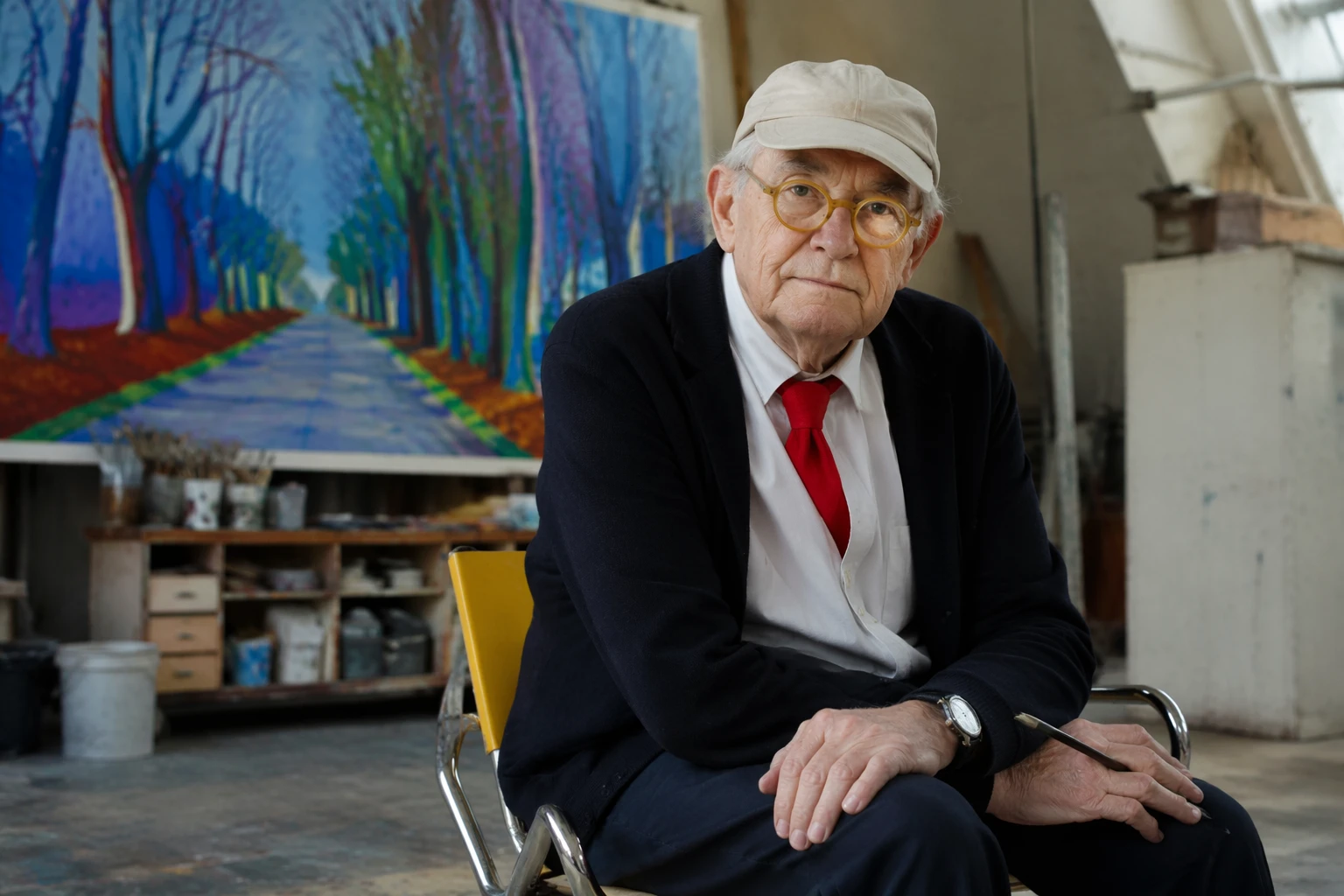
His public breakthrough came in 1961, while he was still a student at the Royal College of Art. The Royal Academy of Arts said his work became closely associated with the institution through memorable exhibitions there, and its tribute identified him as David Hockney OM CH RA, 1937-2026. The academy also said he was elected a Royal Academician in 1985, marking his formal place inside the British art establishment he helped to define.
Tate is now working with Hockney’s team on the plans he had prepared for next year. The Tate Britain exhibition will span seven decades of his work, while the Tate Modern project will turn the Turbine Hall into a multimedia response to his opera set designs, extending a career that moved between painting, theatre and large-scale public presentation.
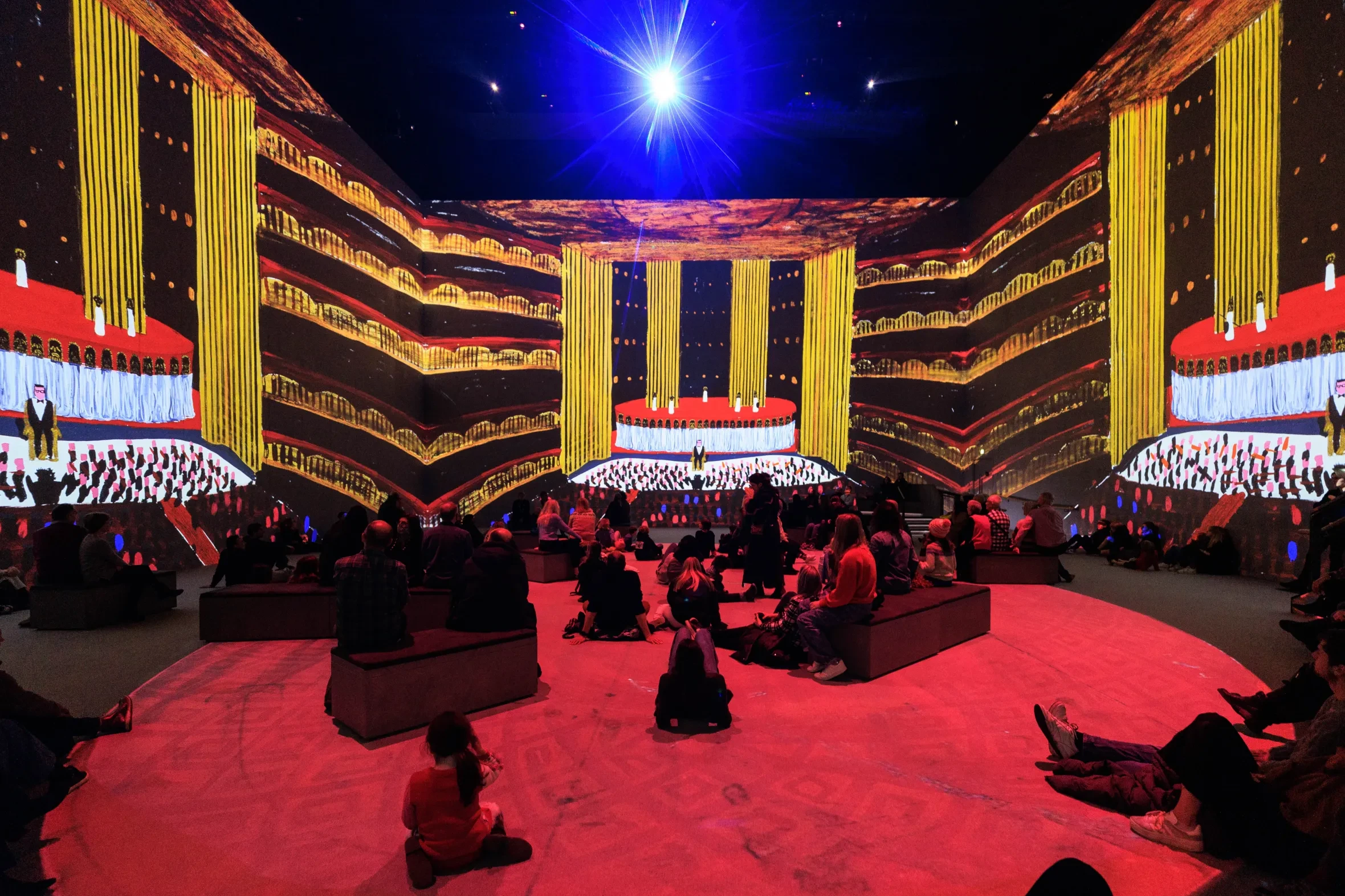
The scale of that commemoration reflects the size of the audience he commanded. Tate said its 2017 Hockney exhibition was the most visited in Tate Britain’s history, a striking measure of both critical stature and popular loyalty.
That is why editors elevated Hockney above the usual arts coverage. In a national mood split between cultural mourning and the political anxiety around Keir Starmer, his death offered something different: a unifying story about creativity, memory and institutional legacy, and a reminder that Britain still measures itself through the artists it chooses to celebrate.
Sources
- [1]bbc.com
- [2]royalacademy.org.uk
- [3]tate.org.uk