Health
DC Health Warns of Measles Exposure at March for Life
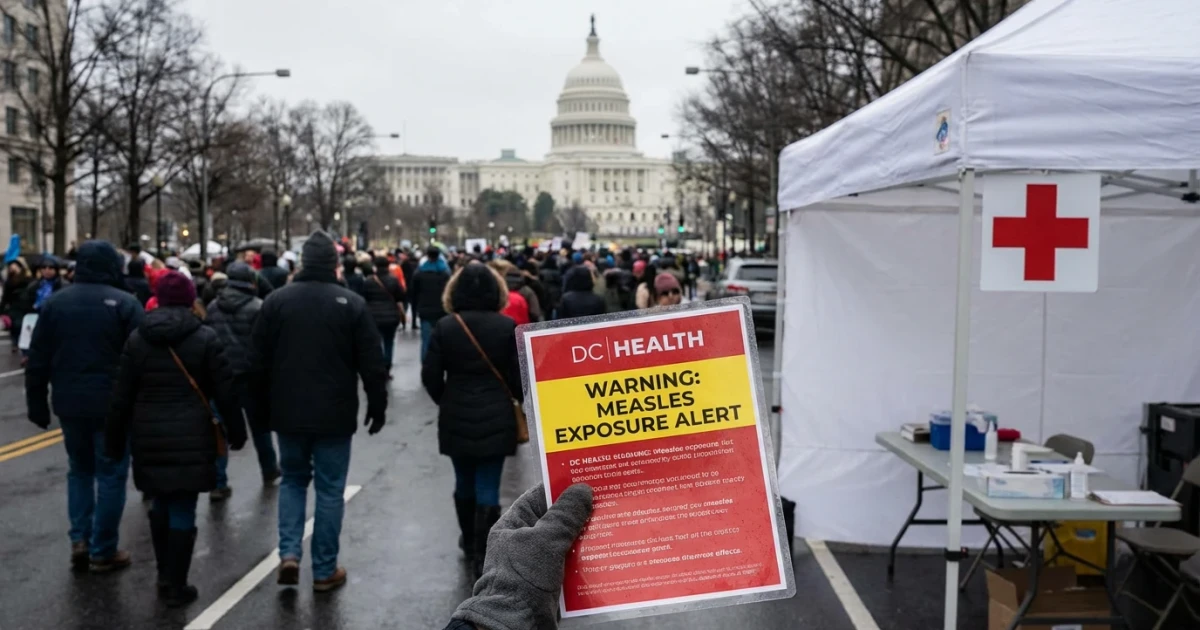
DC Health officials are warning that individuals who attended the March for Life event in Washington, D.C., may have been exposed to measles, prompting heightened concern and public health action across the region.
Potential Exposure Linked to Major Public Gathering
The official notification from DC Health follows reports that a person with a confirmed case of measles was present at the March for Life rally and may have exposed others at several locations in the city. NPR reported that the alert was issued after health authorities identified multiple sites and dates where exposure may have occurred, urging anyone who attended the event or visited listed venues to review their vaccination status and monitor for symptoms.
What Is Measles and Why Is It Concerning?
Measles is a highly contagious viral disease that can cause serious complications, especially in young children and immunocompromised individuals. According to the Centers for Disease Control and Prevention (CDC), measles symptoms typically include high fever, cough, runny nose, and a distinctive rash. In severe cases, it can lead to pneumonia, encephalitis, and even death.
- Measles spreads through respiratory droplets and can linger in the air for up to two hours after an infected person leaves an area.
- The disease is so contagious that up to 90% of non-immune people exposed to the virus will become infected.
Vaccination Rates and Rising Case Numbers
The CDC's latest data indicate that measles cases have been rising in recent years in the United States, often linked to pockets of low vaccination coverage. While overall childhood immunization rates remain high, some communities have seen declines, making outbreaks more likely at large gatherings such as the March for Life.
Data from the CDC's Immunization Coverage program show that the recommended two doses of the measles-mumps-rubella (MMR) vaccine are about 97% effective at preventing measles. However, even a small number of unvaccinated individuals in a crowd can allow the virus to spread rapidly.
Public Health Response and Recommendations
DC Health has urged anyone who attended the March for Life or visited identified exposure sites to:
- Check their vaccination records to ensure they are fully immunized against measles.
- Monitor for symptoms such as high fever, cough, runny nose, red eyes, or rash for up to three weeks after possible exposure.
- Contact their healthcare provider if symptoms develop or if unsure about immunity status.
Healthcare professionals in the region have been advised to be alert for possible measles cases and to follow CDC protocols for diagnosis, isolation, and reporting.
Preventing Future Outbreaks
Experts emphasize that maintaining high vaccination coverage is the most effective strategy to prevent outbreaks. According to recent public health research, rapid identification, isolation of cases, and community outreach are key to containing the spread of measles when exposures occur.
Looking Ahead
As the investigation continues, DC Health and the CDC are working to trace contacts and limit further transmission. The incident highlights the importance of vaccination and vigilance, especially when attending large public events. Public health officials continue to urge all eligible individuals to ensure they are up to date on the MMR vaccine to protect themselves and their communities from preventable diseases like measles.