Entertainment
DC Studios battled Supergirl cuts as test scores stayed low
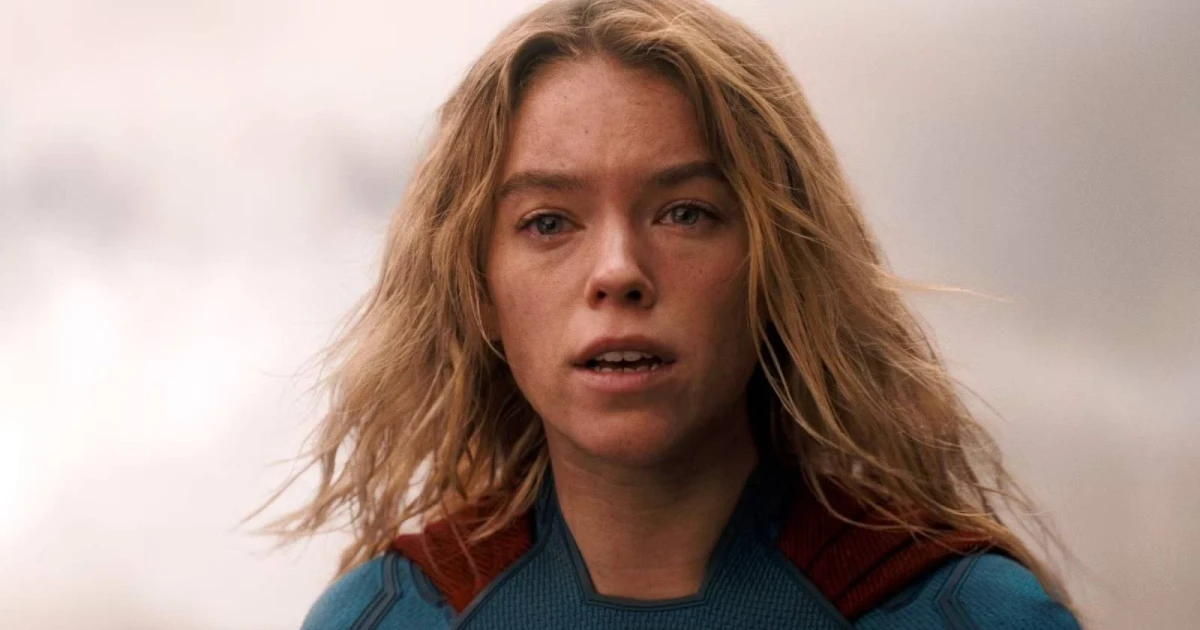
DC Studios spent months trying to rescue Supergirl, and by March the studio was testing its own cut against filmmaker Craig Gillespie’s version as the movie still struggled to connect. The competing edits were part of a prolonged post-production battle that left the rebooted DC Universe with a costly early warning sign: a franchise launch can fail when leadership, creative direction, and release strategy pull in different directions.
Test audiences did not warm to the film. The scores, measured on a 100-point scale, never climbed out of the 60s, and one insider said the highest mark reached 70. Other accounts say the movie went through at least eight test screenings and was shown with three different endings, a sign that the studio kept adjusting the material even as the core response stayed weak. Claudia Sarne took over scoring duties in March 2026, another indication the film was still being actively reworked late in the process.
The finished movie runs about 1 hour and 48 minutes on Metacritic, but earlier cuts were longer before being trimmed down. Craig Gillespie directed the film from Ana Nogueira’s script, with Milly Alcock as Kara Zor-El, Jason Momoa as Lobo and David Corenswet appearing in related DCU material. James Gunn and Peter Safran were both involved in the creative and testing process, making the film a direct measure of how the new DC leadership handles a high-profile property.
The box office only deepened the damage. Supergirl opened to $37.1 million in North America and $62.6 million worldwide, well short of earlier estimates that had the film tracking closer to $38 million domestically and about $68 million globally. Other industry estimates put the reported budget at about $170 million, with total production and marketing costs climbing to roughly $290 million. On those figures, the film would need around $425 million worldwide to break even.
That gap leaves Warner Bros. and DC Studios facing more than a disappointing opening. It raises a harder question about whether repeated recutting and competing visions can blur a film’s identity before audiences ever see it, especially for a character without the built-in insulation of Batman or Superman. For a studio trying to reset a superhero brand, Supergirl became less a standalone release than a test of whether governance could keep pace with ambition.
Sources
- [1]news.google.com
- [2]hollywoodreporter.com
- [3]yahoo.com
- [4]variety.com
- [5]forbes.com
- [6]comingsoon.net
- [7]worldofreel.com
- [8]filmmusicreporter.com
- [9]metacritic.com
- [10]boxofficemojo.com
- [11]thesheffieldpress.com