Lifestyle
Deadly Bacteria Detected Near Popular Summer Beach Spot
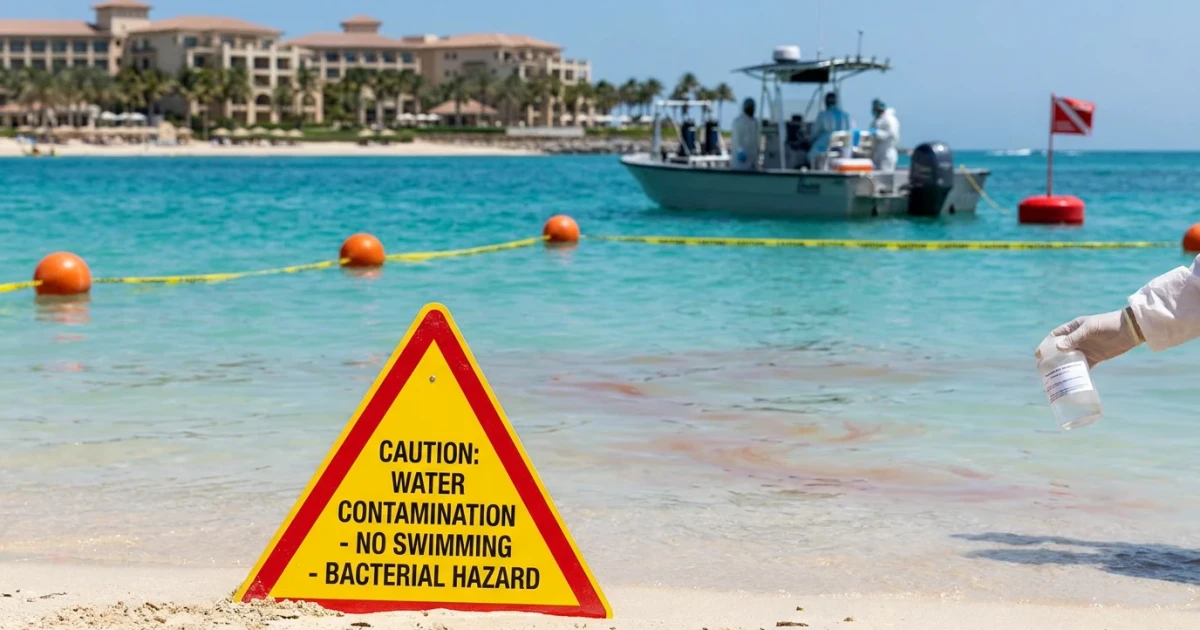
Health officials are urging caution for vacationers after the detection of Vibrio vulnificus, a potentially deadly bacteria, in the waters near a luxury vacation destination just as the summer travel season gets underway. The discovery has prompted renewed attention to beach safety and waterborne illnesses among travelers planning trips to popular coastal areas.
Understanding the Threat: Vibrio vulnificus
According to the Centers for Disease Control and Prevention (CDC), Vibrio vulnificus is a naturally occurring bacteria found in warm, brackish coastal waters, particularly during the summer months when water temperatures rise. While most people who come into contact with the bacteria experience mild symptoms, those with weakened immune systems or open wounds are at higher risk for severe infections, which can sometimes be fatal.
- Each year, the CDC estimates dozens of Vibrio vulnificus infections occur in the United States, with a significant portion reported along the Gulf and Atlantic coasts.
- Severe cases can lead to bloodstream infections, limb amputations, and, in rare instances, death.
Symptoms of infection include vomiting, diarrhea, abdominal pain, and, if the bacteria enter through an open wound, rapidly spreading skin ulcers. The CDC notes that individuals with chronic liver disease, diabetes, cancer, or other immune-compromising conditions are most at risk for severe outcomes.
Recent Detection and Public Health Response
Fox News reported the recent discovery of Vibrio vulnificus in waters near a luxury vacation destination, raising concerns as the area prepares for an influx of summer visitors. While the specific location has not been disclosed, the presence of the bacteria is consistent with seasonal trends observed in U.S. coastal regions, as detailed in peer-reviewed research on Vibrio infections in coastal areas.
Local health officials and the Environmental Protection Agency (EPA) continuously monitor water quality at public beaches and post advisories when bacteria levels exceed safe limits. According to EPA beach health data, advisories are most common in late spring and summer due to higher water temperatures, which promote bacterial growth.
Who Is Most at Risk?
While healthy individuals are unlikely to develop serious illness from incidental contact, people with the following risk factors should exercise additional caution:
- Open wounds, cuts, or recent surgery
- Chronic liver disease or immune system disorders
- Diabetes or cancer
- Use of medications that suppress the immune system
The CDC advises that anyone with cuts or scrapes avoid exposing them to warm salt or brackish water. Those who develop unusual redness, swelling, or pain after swimming should seek medical attention promptly, as early treatment greatly improves outcomes.
Precautions for Beachgoers
With the summer holiday season approaching, experts recommend the following steps to minimize risk:
- Check for local beach advisories before swimming
- Avoid water activities with open wounds or healing tattoos
- Wear protective footwear when wading in coastal waters
- Thoroughly clean and cover any cuts or scrapes
- Seek immediate medical care for signs of infection after water exposure
The CDC provides additional frequently asked questions and prevention tips for travelers and residents of coastal areas.
Looking Ahead
As summer draws more visitors to the nation's beaches, ongoing vigilance and public awareness remain essential. Annual surveillance and real-time bacteria monitoring data help authorities manage risks and keep beachgoers informed. While Vibrio vulnificus infections are rare, their severe consequences highlight the importance of following official guidance and practicing safe swimming habits.
For the latest updates on water quality and public health advisories, travelers should consult local health departments and federal resources before heading to the coast.