Health
Deadly heat wave raises health risks for vulnerable people
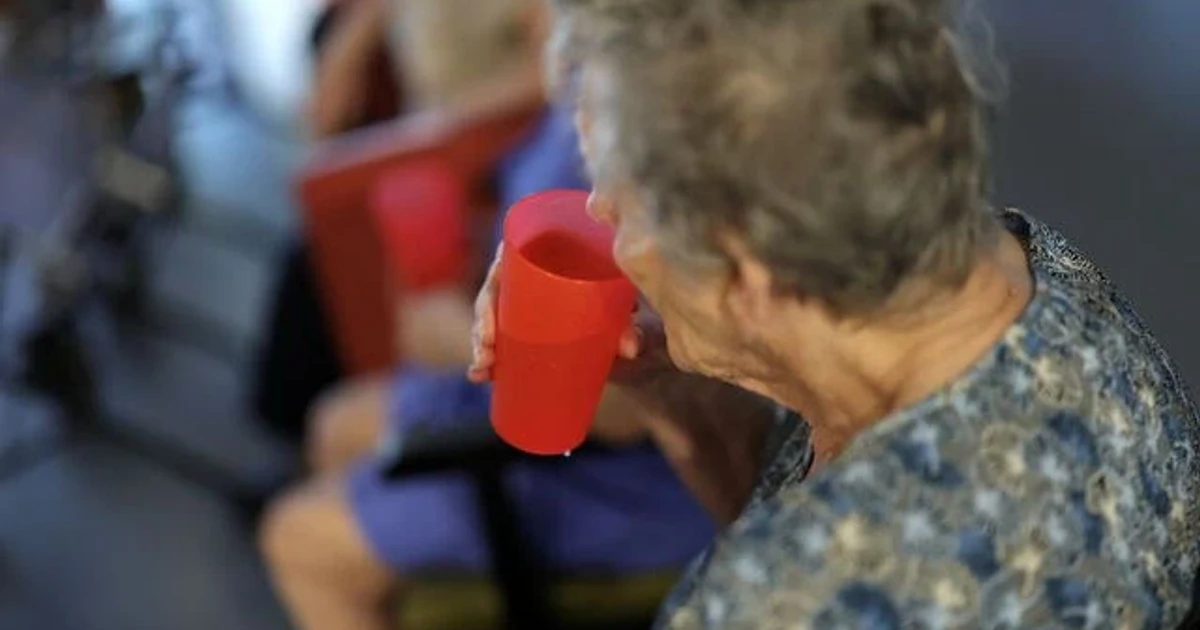
Extreme heat is not just making days miserable; it is pushing bodies past their ability to cool down. Across Europe, Asia and parts of the United States, dangerously high temperatures are turning a seasonal discomfort into a public-health emergency. The danger is not only the temperature itself, but how long people are exposed, how much their bodies can recover, and whether they have the medical, social and economic resources to get out of the heat.
Why this heat wave is so dangerous
Heat becomes deadly when the body can no longer shed enough warmth to protect the brain, heart and other organs. A global heat wave can strain hospitals, overwhelm city infrastructure and expose gaps in daily routines that many people rely on to stay safe, from commuting and school schedules to work shifts and housing conditions. The risk is especially high when high temperatures last for days, because repeated exposure leaves less time for recovery.
That is why extreme heat deserves the same urgency as storms or floods, even though it is often invisible. By the time a person looks visibly unwell, their core temperature may already be climbing into a range where organ damage can begin.
Heat exhaustion and heatstroke are not the same
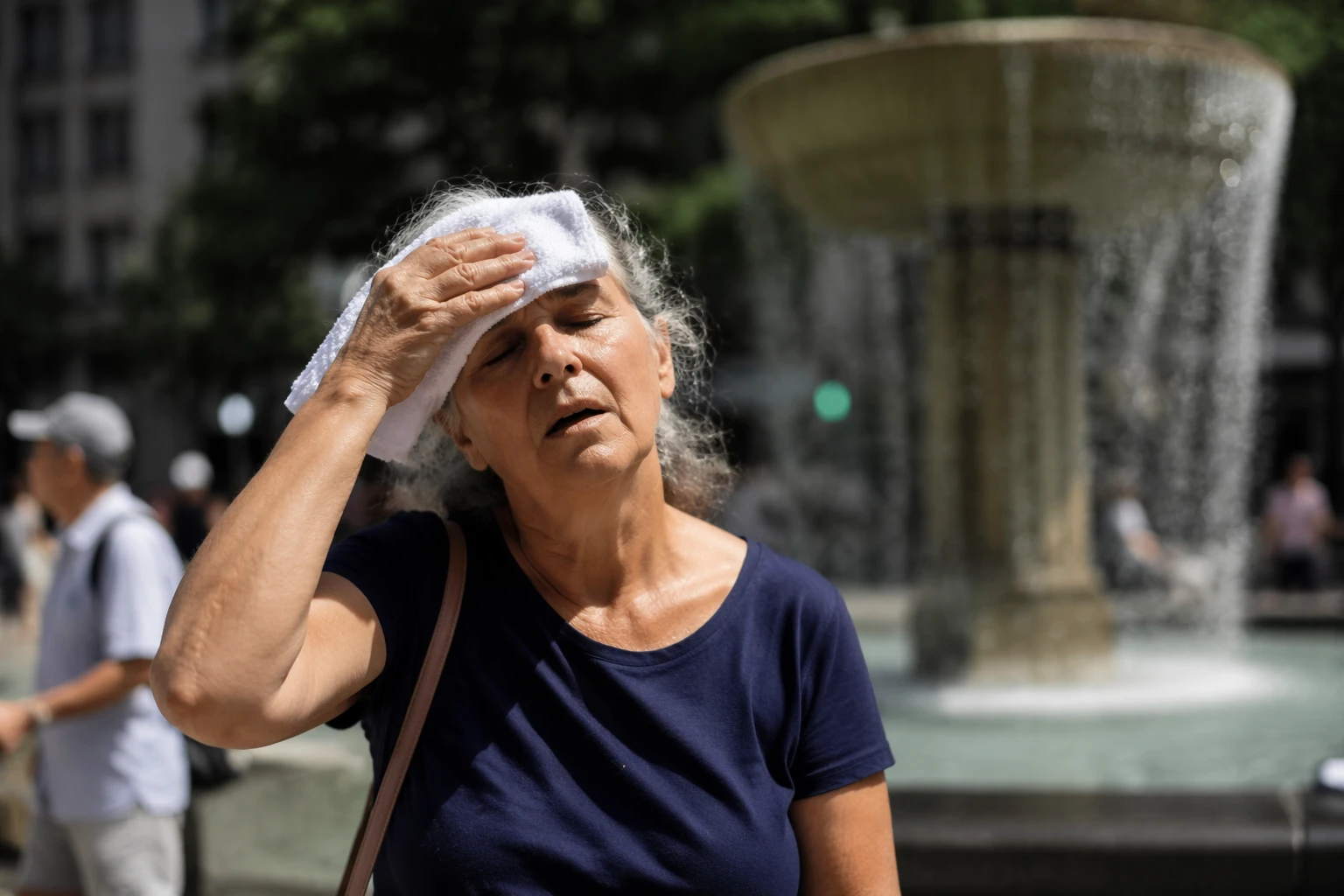
Heat exhaustion is the warning stage many people can still reverse if they act quickly. It can cause dizziness, headaches, shaking and thirst. In many cases it is not considered serious if the person cools down within 30 minutes, but that clock matters.
Heatstroke is the emergency. It happens when core body temperature rises above 105 degrees Fahrenheit, or 40.6 Celsius. At that point, the body’s cooling system is failing. Rapid breathing, confusion, seizures and nausea can follow, and without fast treatment heatstroke can lead to organ damage or death.
The practical lesson is simple: do not wait for collapse. If someone is dizzy, shaky, weak or unusually thirsty after being in the heat, move them to a cooler place, start cooling them immediately, and watch closely for any worsening symptoms. If the signs do not improve quickly, or if confusion, seizure activity or trouble breathing appears, emergency care is needed right away.
Who faces the highest risk
The most vulnerable people are not a single group, but they share one thing: they are either physiologically less able to handle heat or they have less ability to escape it. Young babies are at risk because they depend on adults to keep them cool and hydrated. Older adults can be more sensitive to heat stress. People experiencing homelessness often have no reliable place to retreat to when temperatures soar.
Outdoor workers and others who must stay active in the heat face a different problem: exposure is built into their day. Agricultural laborers, construction workers, delivery workers and others in physically demanding jobs may have little choice about when they can rest, hydrate or seek shade. When heat is paired with work, risk rises sharply because exertion raises body temperature even faster.
Existing illness also makes heat more dangerous. Cardiovascular disease can make it harder for the heart to keep up with the body’s cooling needs. Respiratory disease can add strain when breathing becomes rapid. Diabetes can complicate hydration and the body’s response to stress. Heat does not act in isolation, it hits hardest where health is already fragile.
The less obvious dangers: delayed symptoms and no overnight recovery
One of the most dangerous misconceptions about extreme heat is that if the worst discomfort passes, the danger is over. Symptoms can worsen later, especially if the body never fully cools down. People may feel unwell after leaving the sun, then deteriorate again once they try to return to normal activity.
That is why overnight heat matters. When temperatures stay high after dark, the body loses the chance to recover before the next day begins. Poor sleep, dehydration and lingering strain can combine, making the following day more dangerous than the one before. Heat illness can also escalate quickly once a person returns to activity, even if they seemed to improve earlier.
What should trigger immediate action
Certain signs should never be brushed off as just discomfort. Watch for:
• Dizziness, headache, shaking or thirst after heat exposure • Confusion, disorientation or unusual behavior • Rapid breathing • Nausea • Seizures • Symptoms that do not improve within 30 minutes of cooling down
These signs matter because heatstroke can move fast. Once core temperature climbs above 105 degrees Fahrenheit, the risk shifts from manageable heat stress to a medical emergency with life-threatening consequences. When in doubt, treat the situation as urgent rather than waiting for it to pass.
Why the public-health stakes go far beyond one hot day
The toll of heat is already large. Estimates suggest just under half a million deaths each year worldwide are linked to excess heat. In Europe, a study of 854 cities found climate change was responsible for 68% of an estimated 24,400 heat deaths in 2025. Those numbers underline a painful truth: the problem is not limited to isolated heat advisories, but to a warming climate that is steadily widening the circle of danger.
The burden also falls unevenly. People with the fewest resources often live in the hottest housing, have the least access to cooling and are least able to stop working when temperatures rise. That makes extreme heat not only a medical issue, but an equity issue and a policy issue. As heatwaves spread into more places and more months of the year, the people most at risk will need faster recognition, safer conditions and a public-health system prepared to treat heat as the acute threat it has become.
Sources
- [1]usnews.com