World
Deadly Venezuela earthquakes leave hundreds feared trapped, rescue effort intensifies
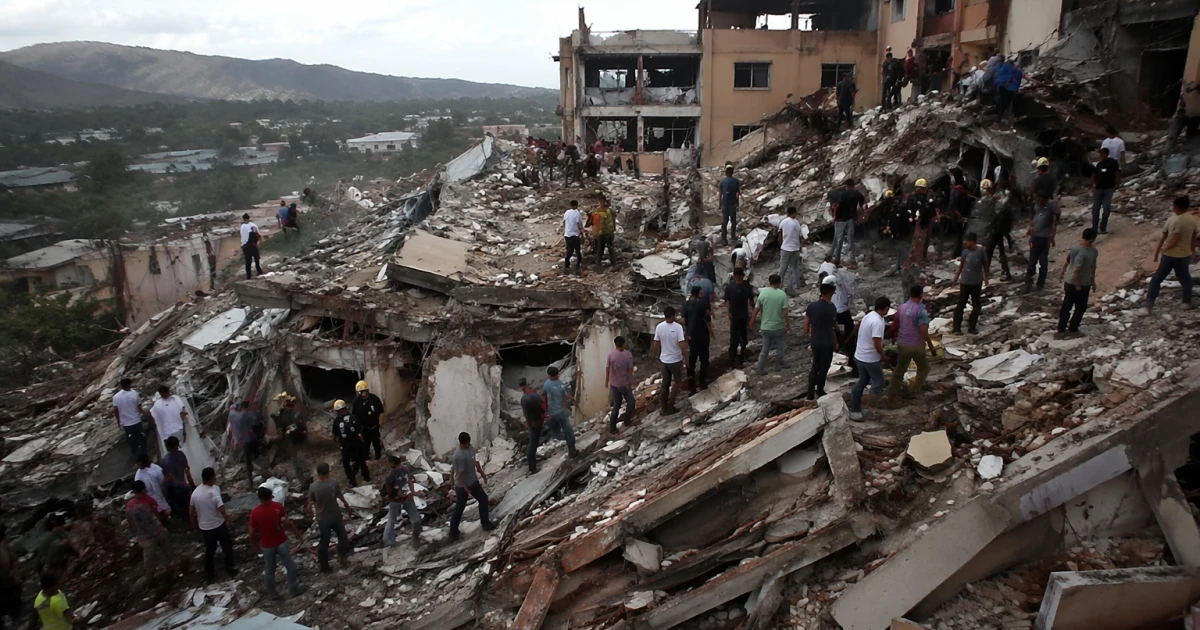
Rescuers were racing through collapsed neighborhoods in La Guaira as Venezuela’s twin earthquakes drove the death toll to at least 235, with more than 41,000 people reported missing through an online portal. The strongest urgency centered on the next few hours, when daylight, access and speed could decide whether anyone pinned under the rubble was still alive.
The quakes struck west of Caracas on June 24, 2026, around 18:04 local time, with magnitudes of about 7.2 and 7.5. The U.S. Department of State said the first shock was followed about 39 seconds later by the larger main event. The shaking was felt across the region and reached as far as Brazil’s Amazon, underscoring how far the rupture spread along the northern coast of Venezuela.
La Guaira, north of Caracas, emerged as the hardest-hit area, where dozens of buildings collapsed and communications and power were cut off in parts of the affected zone. Early death tolls put the count at 32 dead and 700 injured, before later updates raised it to at least 164 dead and 971 injured, and then to 235 dead and 4,300 injured. Some reports said hundreds more people could still be trapped under debris as aftershocks continued and families were forced into open areas.
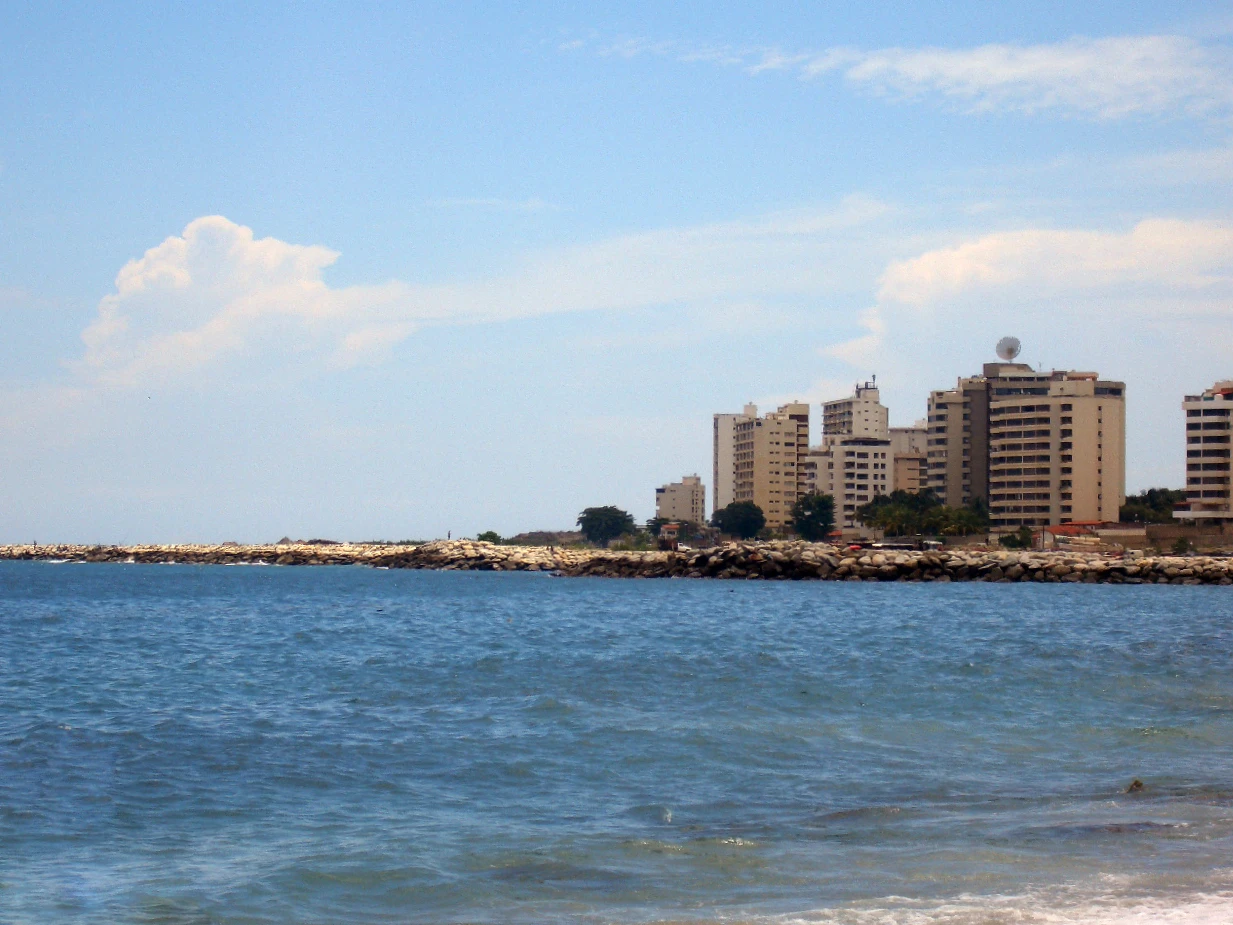
Save the Children said the earthquakes hit as many people were returning home in the evening, increasing fears that children and adults remained trapped beneath collapsed structures. The group said children would likely need urgent help with shelter, food, water and healthcare. The United Nations and aid agencies said as many as 6.8 million people could be affected, a scale that has pushed search and rescue to the center of the response.
International rescue teams and aid were mobilized from Brazil, Canada, Mexico, Colombia, El Salvador, Cuba and the United States, alongside the United Nations. The response has exposed how dependent survivors are on functioning roads, communications and power in the first hours after a major quake, when every delay can deepen the toll from collapse injuries, dehydration and exposure. With the most dangerous phase now measured in hours rather than days, rescuers are still working to reach anyone alive beneath the rubble.
Sources
- [1]bbc.co.uk
- [2]feeds.bbci.co.uk
- [3]news.un.org
- [4]nbcmiami.com
- [5]state.gov
- [6]savethechildren.net