Health
Death Doulas Offer Guidance Through End-of-Life Care
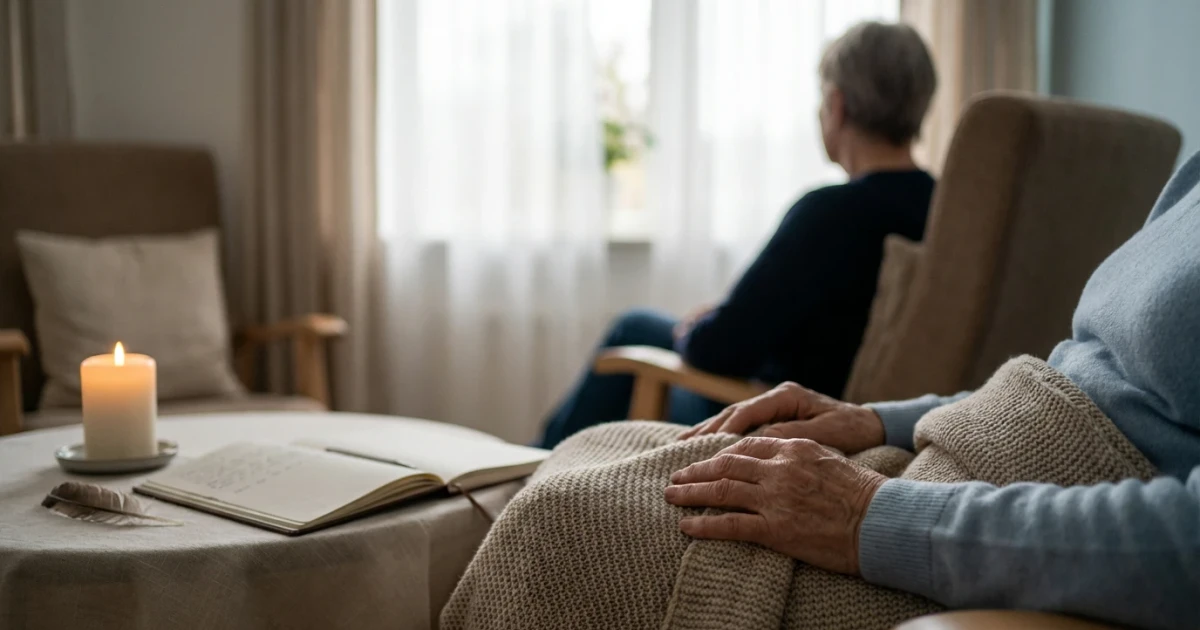
As more Americans seek meaningful and personalized experiences at the end of life, the role of death doulas is gaining recognition. Drawing from insights shared by experienced doulas, a growing body of research, and national health statistics, this article explores what death doulas do, why their work matters, and the evolving landscape of end-of-life care.
Who Are Death Doulas?
Death doulas, sometimes called end-of-life doulas, are trained non-medical professionals who guide individuals and families through the dying process. Unlike hospice nurses or doctors, doulas focus on emotional, spiritual, and practical support, aiming to create a more peaceful and intentional experience. Their work has roots in ancient traditions but is finding new relevance as attitudes toward death and dying change in the United States.
Key Functions of Death Doulas
- Emotional Support: Doulas offer a compassionate presence, providing opportunities for honest conversations about fears, hopes, and meaning as life nears its end.
- Advance Planning: They help clarify wishes around care preferences, legacy projects, and funeral arrangements, ensuring important conversations happen early.
- Family Guidance: Doulas assist loved ones in understanding what to expect during the dying process and how to provide comfort and support.
- Vigil and Comfort Measures: They may sit bedside, offer calming rituals, and coordinate with medical and hospice staff to honor the dying person’s wishes.
According to The Washington Post, experienced doulas emphasize that there is no single 'right' way to die, but honest conversations and a tailored approach can ease anxiety for everyone involved.
Growing Demand Reflects Changing Preferences
National health data underscores this shift. According to the Centers for Disease Control and Prevention, the percentage of people dying at home in the United States has increased steadily, rising from 22% in 2000 to 31% in 2020. Many families now express a preference for home-based care over hospital or nursing facility settings.
The National Hospice and Palliative Care Organization reports that nearly half of Medicare decedents enrolled in hospice care in 2022, reflecting a growing embrace of comfort-focused services. Doulas often work alongside hospice teams, filling gaps by addressing the emotional and spiritual complexities that come with dying.
What Death Doulas Want You to Know
- Conversations Matter: Early and honest discussions about wishes and fears can reduce distress for everyone involved.
- Support Is Multifaceted: End-of-life care is not just about pain relief—it includes emotional, spiritual, and legacy needs.
- Family Needs Guidance: Loved ones often benefit from coaching on what to expect and how to be present.
- Each Journey Is Unique: There is no universal script; doulas emphasize the importance of respecting individual beliefs and preferences.
Research published in the Journal of Palliative Care & Medicine highlights that doula support can increase satisfaction with the dying process, strengthen family bonds, and help individuals maintain autonomy even as physical decline sets in.
How Doulas Complement Medical and Hospice Care
While hospice teams handle clinical care, doulas focus on the non-medical aspects. This can include creating memory books, facilitating meaningful rituals, or simply being a steady presence during the final hours. The National Institute on Aging explains that providing comfort at the end of life is a multidimensional challenge—one that often requires both professional and community support.
Looking Ahead
As the American population ages and more people seek to die at home or outside of institutional settings, demand for death doulas is expected to rise. The trend is supported by CDC data on older adult health, which show a steady increase in chronic illness and caregiving needs.
While not all families will choose to work with a doula, their presence is providing new options for personalized, compassionate end-of-life care. As awareness grows, so too does the movement to make dying a more open and supported experience for all.