World
Death toll rises to 34 as Japan quake rescue continues
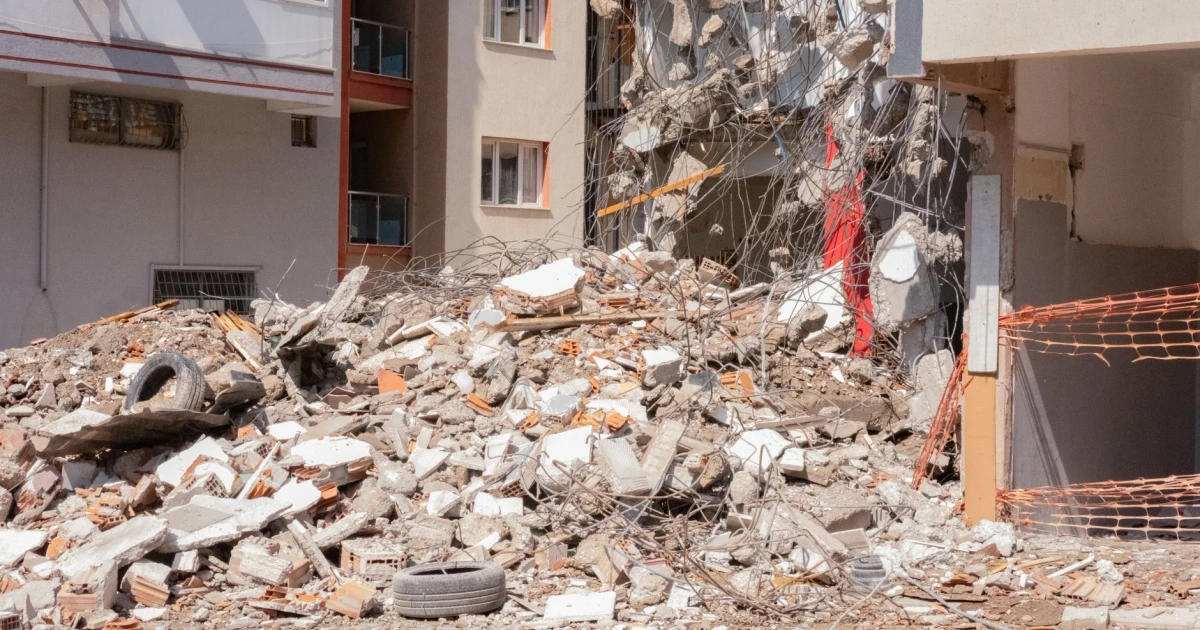
Rescuers kept working through rubble in Kumamoto prefecture as the death toll from the powerful earthquake in southwestern Japan rose to 34, with one of the hardest-hit sites a collapsed mall that had trapped the search effort in the area most damaged by the shaking. Damaged roads, unstable structures and the risk of aftershocks narrowed the window for finding survivors as crews moved through debris in the quake zone.
The toll had climbed in stages across the week, from at least 13 dead to 18, then 23, 25 and 30 before reaching 34. The pace of the rise showed how slowly officials were still accounting for victims as teams reached more affected neighborhoods and worked through areas where collapse had made access difficult.
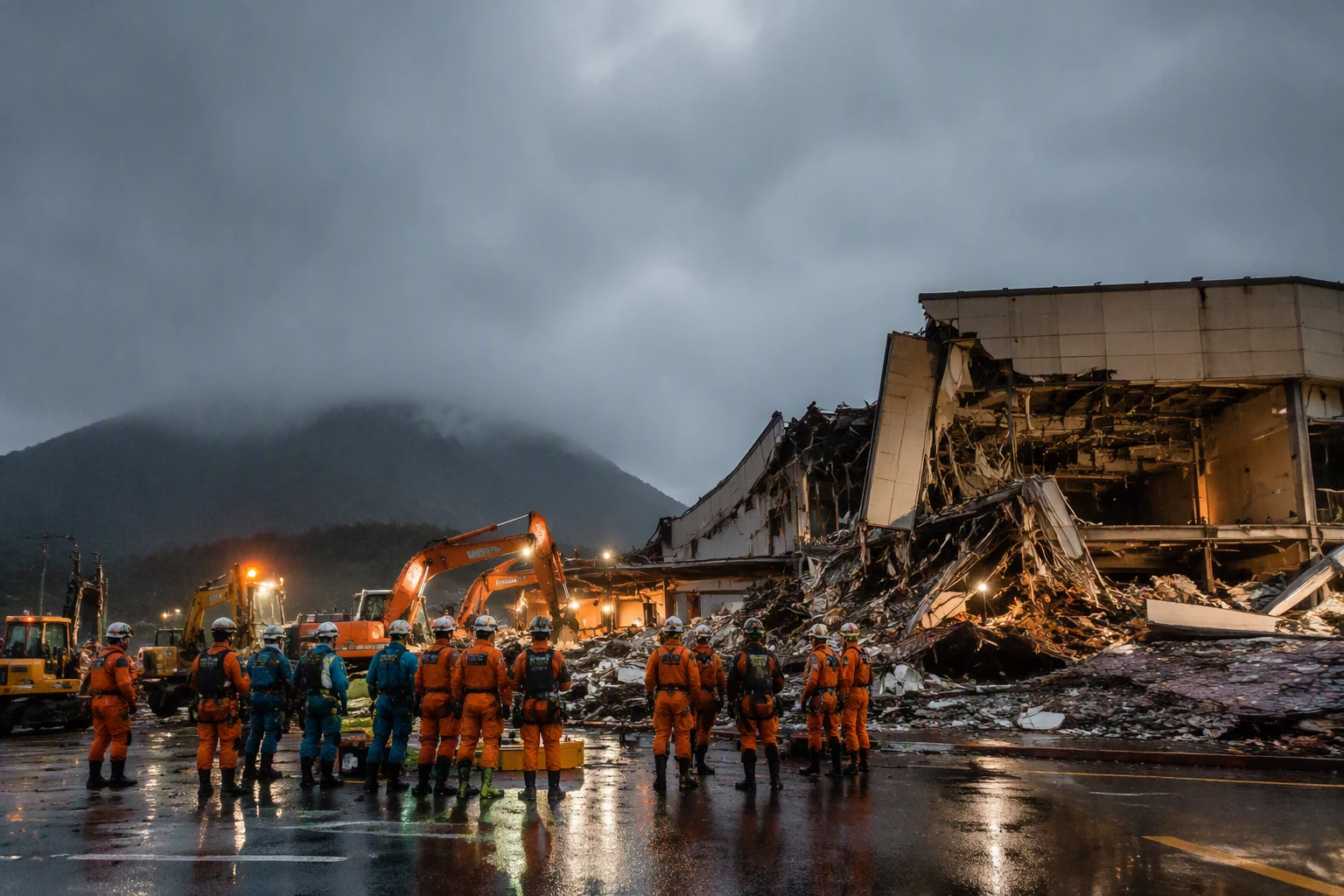
Survivors were also contending with the aftermath in punishing conditions. Relief workers tried to deliver water as residents battled thirst and heat, while the south remained cut off with 10,000 evacuees and a typhoon approaching. Rail service had resumed north of Kumamoto, but transport disruption in the south underscored how quickly an earthquake can become a logistics and public-health emergency when roads, power and supply lines are broken at once.
The broader stakes are sharp in a country that has spent decades preparing for seismic disaster. The 2016 Kumamoto earthquakes, which struck Kyushu on April 14 and 16, killed 137 people in Kumamoto prefecture, including disaster-related deaths, according to the Asian Disaster Reduction Center. A preliminary report from the same organization put confirmed deaths in Kumamoto at 49 and estimated direct losses at ¥2.4 trillion to ¥4.6 trillion, or $24 billion to $46 billion.
Kumamoto University said the 2016 quakes reached peak seismic intensity 7, unprecedented in the prefecture’s recorded history, and caused the most serious damage ever recorded in the area. That history hangs over the current disaster as authorities confront a new round of damaged buildings, stranded communities and a death toll that continues to rise even after the ground stopped moving. The United States Embassy in Japan also issued a Kyushu earthquake aftermath alert, reflecting the wider travel and safety concerns now stretching beyond the hardest-hit towns.
Sources
- [1]npr.org
- [2]reuters.com
- [3]travelerstoday.com
- [4]jp.usembassy.gov
- [5]adrc.asia
- [6]ewww.kumamoto-u.ac.jp
- [7]aljazeera.com
- [8]bbc.com