Politics
Debate Continues Over 'Anti-Weaponization' Fund in Congress
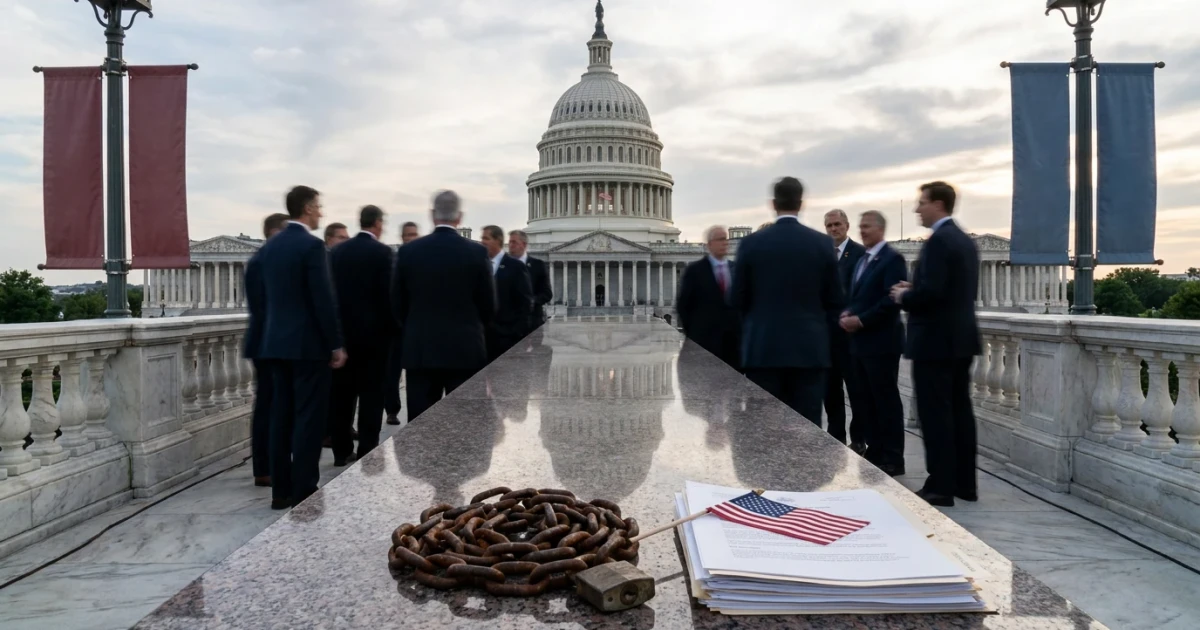
Tensions between Congressional Republicans and the White House have persisted as both sides grapple with the future of the so-called 'anti-weaponization' fund. The fund, embedded within the Commerce, Justice, Science Appropriations Bill, has become a focal point of political debate, centering on concerns about potential misuse of federal law enforcement powers and the mechanisms for oversight.
Origins and Purpose of the Fund
The Commerce, Justice, Science Appropriations Bill for 2024 introduced a dedicated 'anti-weaponization' fund, intended to provide resources for investigating and preventing alleged politicization—or 'weaponization'—of federal agencies. The bill's official summary details specific allocations for oversight programs, aiming to safeguard against the use of federal law enforcement for partisan ends. The legislative text of H.R.8369 further outlines statutory language governing how such funds are to be used.
- The fund was created in response to concerns raised by Republican lawmakers about perceived bias in federal investigations.
- Supporters argue it strengthens congressional oversight and transparency.
- Critics, including many in the White House, claim it could politicize routine agency functions and undermine independence.
Ongoing Political Tensions
As first reported by KSDK, the debate has remained highly charged, with Republicans pressing for expanded oversight and the Biden administration pushing back against what it views as unnecessary constraints. The House Select Subcommittee on the Weaponization of the Federal Government has held multiple hearings, bringing forward testimony and documents to support claims of improper conduct. Meanwhile, the White House continues to stress the importance of maintaining agency independence and warns against measures that could hinder lawful enforcement activities.
Key Arguments from Both Sides
- Republicans: Seek more rigorous oversight to prevent political interference in federal law enforcement, pointing to past controversies as justification.
- White House: Argues existing safeguards are sufficient and warns the fund could be used as a tool for partisan investigations.
Oversight and Implementation Challenges
According to the Congressional Budget Office's analysis, projected spending for the 'anti-weaponization' fund is relatively modest compared to broader justice allocations, but its symbolic value is significant. The CBO's report includes tables on overall appropriations and highlights the additional administrative costs associated with enhanced oversight.
Implementation remains complex, with the U.S. Department of Justice's organizational chart showing multiple offices potentially affected by new oversight mechanisms. The Government Accountability Office's review of federal law enforcement oversight underscores the importance of balancing transparency with operational independence, a point echoed by analysts across the political spectrum.
Broader Implications for Federal Oversight
The debate over the 'anti-weaponization' fund highlights wider issues surrounding congressional oversight of federal law enforcement. A recent Congressional Research Service report provides background on the role of Congress in monitoring federal agencies, noting an increase in legislative activity focused on accountability and transparency.
- Efforts to reform oversight have grown in recent years, reflecting bipartisan concern about agency conduct.
- Some experts caution against overreach, warning it could stifle legitimate investigations.
Looking Ahead
As appropriations deliberations continue, both sides remain deeply entrenched. The ultimate shape of the 'anti-weaponization' fund—and its impact on federal oversight—will depend on ongoing negotiations and the ability to find common ground. Observers expect further hearings, amendments, and possible adjustments to the fund's scope as Congress moves toward final passage.
The stakes are high: The outcome will set precedents for future oversight initiatives and shape the relationship between Congress, the White House, and federal law enforcement agencies.