Politics
Debate Grows Over Democrats’ Economic Priorities
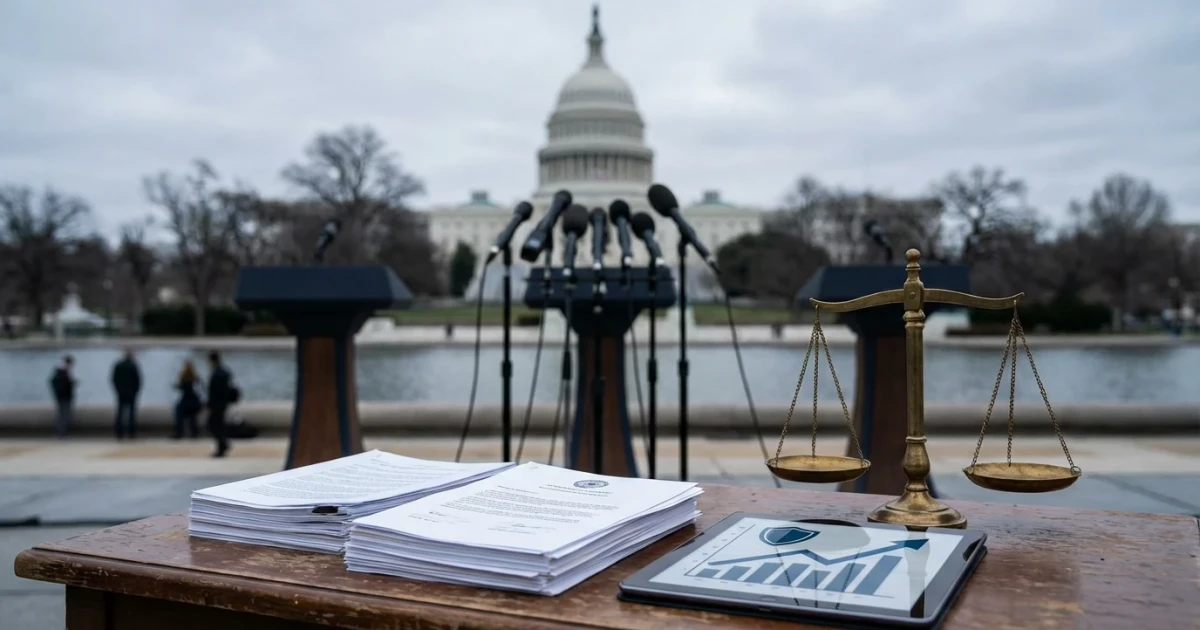
As debates in Washington intensify, analysts and commentators are raising concerns about the Democratic Party’s approach to economic growth and security. Recent opinion pieces, including one from the New York Post, argue that current Democratic strategies may be placing growth on the back burner, with critics warning that economic security is not being prioritized amid a shifting policy landscape.
Growth Versus Security: A Shifting Focus?
Political observers have noted a shift in Democratic economic messaging, with some policies emphasizing redistribution and social spending over policies that directly target gross domestic product (GDP) growth. The New York Post commentary suggests that, compared to previous decades, the party’s central economic agenda now leans more heavily on expanding the social safety net and addressing inequality, rather than incentivizing investment and job creation.
- Several recent Democratic initiatives, including the Inflation Reduction Act, aim to address climate change and healthcare costs, but critics argue these measures may not be sufficient to spur long-term growth.
- Data from the St. Louis Fed shows that while GDP growth rebounded post-pandemic, recent quarters have seen a return to more modest expansion, fueling worries about the pace of recovery.
Economic Security: Assessment and Criticism
Concerns also focus on whether Democratic policies sufficiently safeguard economic security for middle- and working-class Americans. The New York Post argues that by emphasizing progressive taxation and regulatory expansion, Democrats risk undermining incentives for entrepreneurship and upward mobility. Critics claim that this could leave Americans more vulnerable to economic shocks if growth falters.
However, supporters of these policies point to research showing that measures like the American Rescue Plan helped reduce poverty and increase economic security for millions during the COVID-19 crisis. These backers argue that a stronger safety net is essential for resilience in an unpredictable global economy.
Public Opinion and Policy Implications
Recent surveys from the Pew Research Center indicate that public trust in government remains near historic lows, with many Americans expressing skepticism about whether current policies serve their long-term interests. This skepticism is mirrored in commentary from sources like the New York Post, which calls for a renewed emphasis on policies that promote both robust growth and widespread economic security.
- Critics warn that if economic growth continues to lag, the party may face challenges in upcoming elections, as voters look for leadership that can deliver both prosperity and security.
- Advocates for the current approach argue that addressing inequality and building social infrastructure are critical foundations for sustainable growth in the 21st century.
What’s Next for Democratic Economic Policy?
As the policy debate continues, the Democratic Party faces pressure to balance its commitments to social spending, economic growth, and fiscal responsibility. Lawmakers will need to consider data on GDP trends, income inequality, and employment as they craft policies designed to ensure broad-based prosperity.
With an election approaching, the direction of Democratic economic policy remains a central issue for voters and policymakers alike. The ongoing debate underscores the challenge of balancing growth and security in a rapidly changing economic environment.