Politics
Debate Grows Over Dynastic Politics in India
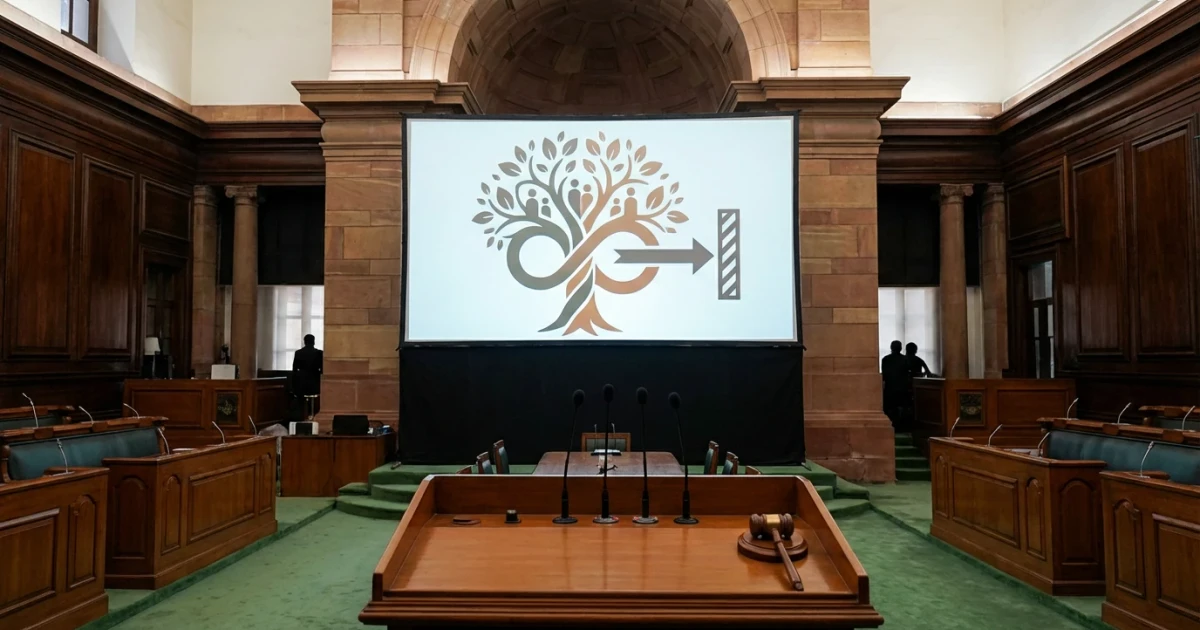
India’s political landscape is once again grappling with the issue of dynastic politics, as recent discussions highlight the Modi government’s emphasis on merit and data-driven governance over family legacy. Sparked by the phrase “data over dynasties,” the debate has intensified between supporters of the Bharatiya Janata Party (BJP) and the Congress party, bringing renewed attention to the role of political families in shaping Indian democracy.
Focus on Data-Driven Governance
The Modi government has frequently underscored its commitment to data-driven governance and transparency. This approach, promoted as a cornerstone of recent reforms, seeks to prioritize policies, leadership, and candidate selection based on measurable outcomes and public accountability, rather than family ties. Supporters argue that this strategy fosters greater inclusion and reduces the entrenchment of power within select families.
Dynastic Influence in Indian Politics
Dynastic politics remains a pervasive feature of India’s democracy. Analyses such as the Oxfam India Working Paper: Dynastic Politics in India and research by Brookings highlight that a significant share of Members of Parliament (MPs) from major parties, especially the Congress, come from political families. According to data compiled by Lok Dhaba’s Indian Election Data Archive, dynastic candidates have consistently secured a substantial portion of parliamentary seats, particularly in national parties.
- In the 2019 Lok Sabha, approximately over 20% of MPs had familial political backgrounds, with the Congress party showing the highest proportion of dynastic MPs.
- The BJP, while not immune, has a lower percentage of dynastic MPs compared to its rivals.
The Election Commission of India’s official statistical reports further confirm that several high-profile constituencies are regularly represented by members of the same family across election cycles—a trend more pronounced in Congress strongholds.
BJP’s Critique and Policy Approach
Prime Minister Narendra Modi and BJP leaders have routinely criticized dynastic politics, presenting it as a barrier to merit-based political participation. The slogan “data over dynasties” encapsulates a campaign narrative positioning the BJP as a party that promotes new leadership based on performance metrics and open competition. This stance is echoed by government initiatives focusing on data governance, open data policies, and transparency, such as those detailed on MyGov.
Congress’s Legacy and Counter-Narrative
The Congress party, historically associated with prominent political families, defends its tradition by citing the experience, public service, and continuity that dynastic leaders can offer. Critics, however, argue that this perpetuates elite control and limits upward mobility for grassroots leaders. Research from Brookings notes that dynastic candidates often benefit from established networks and financial resources, giving them a distinct advantage in electoral contests.
Public and Expert Perspectives
Public opinion on dynastic politics remains divided. While some voters value the familiarity and perceived stability brought by political families, others express concern about the lack of fresh perspectives and meritocracy. Political analysts argue that a shift toward data-based governance, as championed by the Modi administration, could democratize opportunities within party structures and increase transparency in candidate selection.
Key Statistics and Resources
- Comprehensive datasets, such as the All India Partywise Candidates Contesting Elections, allow the public to explore the prevalence of dynastic candidates across parties and states.
- PRS Legislative Research: MP Track offers detailed profiles of MPs, including family backgrounds and performance metrics, useful for analyzing the impact of dynastic politics on legislative productivity.
Looking Ahead
The “data over dynasties” debate is set to remain a focal point in India’s political conversation, especially as major parties prepare for upcoming elections. With increasing access to open data and public scrutiny, the balance between legacy and merit will likely continue to evolve, shaping both party strategies and voter expectations in the world’s largest democracy.