Politics
Debate Grows Over Future of War Powers Resolution on Iran
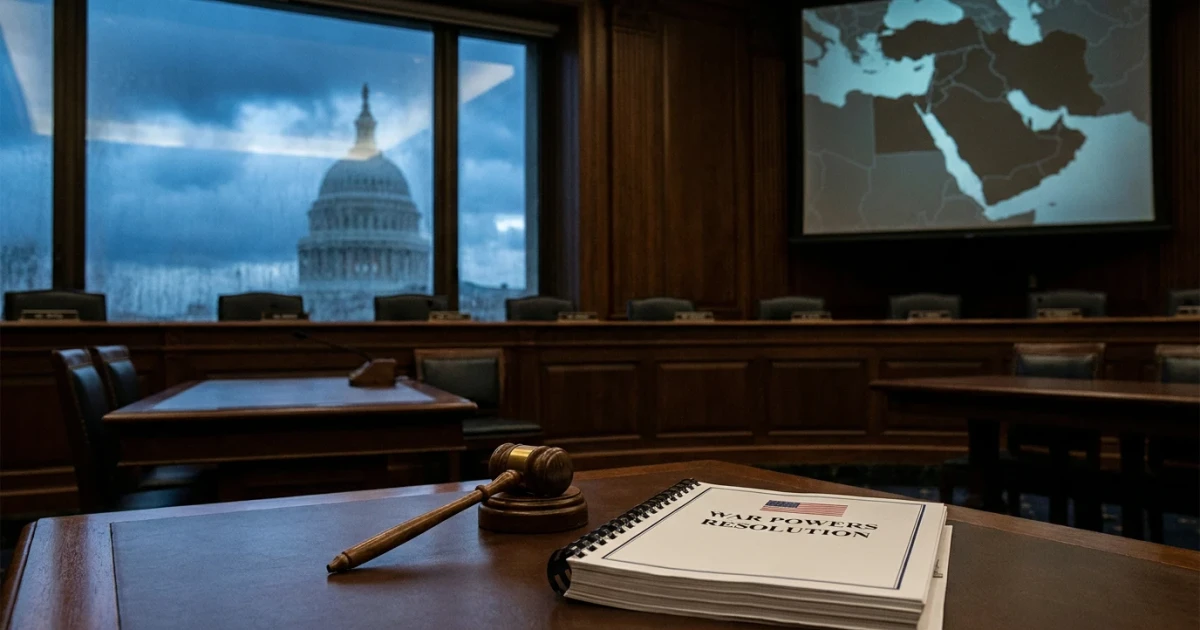
The War Powers Resolution on Iran continues to spark debate in Washington, as policymakers, legal experts, and advocacy groups assess its effectiveness and future. The law, passed in early 2020, was intended to limit the president’s authority to engage U.S. armed forces in hostilities against Iran without explicit Congressional approval. As tensions in the region persist and presidential administrations change, questions remain about how this resolution will shape future military decisions involving Iran.
Background of the War Powers Resolution on Iran
The Iran War Powers Resolution, formally known as S.J.Res.68, was passed in response to escalating military actions between the United States and Iran in early 2020. This joint resolution directed the removal of U.S. armed forces from hostilities against Iran that were not authorized by Congress. While the measure passed both chambers of Congress, it was ultimately vetoed by President Donald Trump. Congress failed to override the veto, leaving the resolution without the force of law.
Congressional Authority and Presidential Power
The ongoing discussion about the War Powers Resolution on Iran centers on the broader constitutional balance between the legislative and executive branches over war-making powers. The original War Powers Resolution of 1973 was designed to check presidential authority by requiring notification and justification for deploying U.S. forces abroad and mandating withdrawal within 60 days unless Congress authorizes continued action.
- Since 1973, presidents have submitted over 100 reports to Congress as required by the War Powers Resolution.
- A Congressional Research Service report notes that legal disputes persist over the scope of executive power, with presidents often interpreting their authority more broadly than Congress intended.
Recent Developments and Ongoing Controversy
As PBS and PolitiFact have explained, the Iran War Powers Resolution reignited debate over the efficacy of legislative checks on military action. Supporters argue that Congressional oversight is essential to prevent unauthorized conflicts, while critics contend that presidents need flexibility to respond to threats.
Efforts to revisit or strengthen the resolution continue, with some lawmakers advocating for more robust mechanisms to enforce Congressional intent. Others question whether such measures can be effective, given the history of executive-legislative tensions and varying interpretations of the War Powers Act.
Looking Ahead: What’s Next?
The future of the War Powers Resolution on Iran remains uncertain. While the original resolution did not become law, its passage signaled strong Congressional concern about unilateral military action. Ongoing proposals to update or clarify war powers suggest the issue will remain at the forefront of U.S. foreign policy debates, especially as situations with Iran and other potential adversaries evolve.
For readers seeking more detail on the legislative history, official texts, and recent war powers reports, resources such as the S.J.Res.68 legislative record, the enrolled bill text, and the database of U.S. armed forces deployments abroad are available for further exploration.
As policymakers and the public continue to debate the appropriate balance of war powers, the legacy of the 2020 Iran resolution will serve as a reference point for future Congressional and presidential actions.