Politics
Debate Grows Over Government Handling of Probe Reports
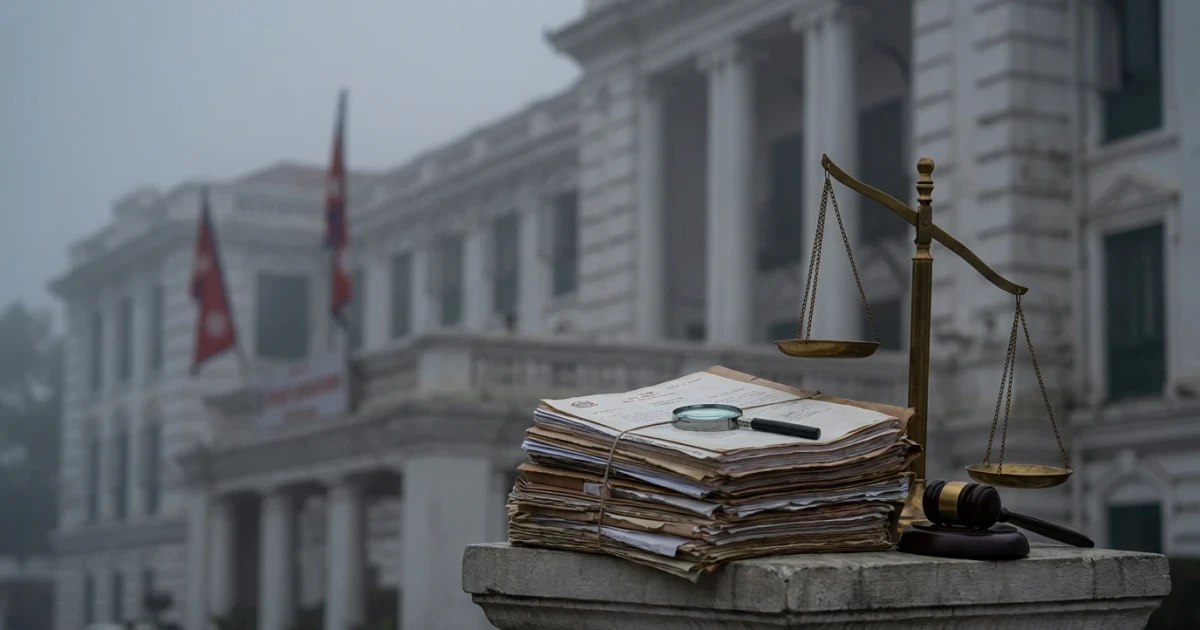
Political tensions have intensified in Nepal as the main opposition, the Nepali Congress, has accused the government of selectively implementing investigation commission probe reports, sparking renewed debate about accountability and anti-corruption efforts in the country.
Congress Raises Concerns Over Probe Report Actions
The Nepali Congress has publicly criticized the government for what it calls the ‘selective’ implementation of recommendations issued by various investigation commissions. The Kathmandu Post reported that party leaders argue the government has failed to act on several significant findings and recommendations, while selectively pursuing others—often those involving opposition figures or politically sensitive cases.
Context: Role of Investigation Commissions in Nepal
Nepal’s investigation commissions, such as the Commission for the Investigation of Abuse of Authority (CIAA), are mandated to probe corruption, abuse of authority, and maladministration in the public sector. Each year, these bodies submit detailed annual reports containing recommendations for legal or administrative action against implicated individuals or systems.
- The CIAA’s latest annual report highlights dozens of cases where recommendations for prosecution or reform have been made to the government.
- Implementation of such recommendations is seen as a key measure of government commitment to fighting corruption and promoting good governance.
Claims of Political Bias and Selectivity
The Congress party alleges that government agencies have ignored or delayed action on several high-profile cases, particularly those involving supporters of the ruling coalition. In contrast, recommendations that implicate opposition members or serve the government’s political interests appear to be prioritized for swift action.
Such claims echo findings in the Nepal Governance Report 2021, which noted that the implementation rate for probe commission recommendations remains inconsistent and often subject to political considerations.
Broader Concerns About Accountability
- According to Transparency International, public perception of corruption in Nepal remains high, with implementation gaps cited as a major obstacle to progress.
- Legal frameworks for addressing investigation commission reports are detailed in official statutes, such as those available from the Nepal Law Commission.
Analysts warn that selective enforcement not only undermines public trust but may also weaken the deterrent effect of anti-corruption measures. Calls for more transparent and systematic tracking of probe report implementation have grown louder, with both civil society and international observers urging the government to publish regular updates on actions taken.
Government Response and the Path Ahead
The government has yet to issue a detailed rebuttal to the Congress party’s latest accusations. In recent years, officials have pointed to resource constraints and legal complexities as reasons for delays in following through on some recommendations. However, critics argue that without a standardized process for implementing commission findings, political bias can easily creep into decision-making.
Efforts to improve the system may include:
- Establishing an independent oversight mechanism to monitor progress on implementation of probe reports
- Publishing regular, publicly accessible updates on actions taken and pending cases
- Reforming laws to clarify timelines and responsibilities for government agencies
Conclusion
As scrutiny over the handling of probe reports intensifies, Nepal faces a crucial test of its commitment to transparency and impartial justice. Stakeholders across the political spectrum and civil society continue to push for reforms that would ensure all investigation commission recommendations are addressed fairly—regardless of political affiliation. The outcome of this debate will likely shape both public confidence and the country’s integrity landscape for years to come.